







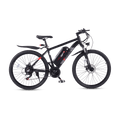




Michigan has adopted a three-class electric bike system that clearly defines how e-bikes can be used on roads, bike lanes, and trails throughout the state. These laws help distinguish electric bicycles from mopeds and motorcycles while establishing rules for speed limits, trail access, helmet use, and rider age requirements.
Under Michigan law, e-bikes are generally treated similarly to traditional bicycles, but certain restrictions apply depending on the e-bike class.
Michigan Electric Bike Laws Quick Summary
|
Topic |
Michigan Law |
|
Max motor power |
750 watts |
|
Classes recognized |
Class 1, 2, and 3 |
|
License required |
No |
|
Registration required |
No |
|
Insurance required |
No |
|
Class 3 minimum age |
14 |
|
Helmet required |
Under 18 on Class 3 |
|
Allowed on roads |
Yes |
|
Allowed on bike lanes |
Yes |
|
Allowed on DNR trails |
Mainly Class 1 |
|
Class 3 trail access |
Generally prohibited |
What Counts as an Electric Bike in Michigan?
Michigan law defines an electric bicycle as a bike that includes:
- Fully operable pedals
- A seat or saddle
- An electric motor of 750 watts or less
If a bike exceeds 750 watts or no longer meets the state definition, it may be classified as a moped or motorcycle instead of an e-bike.
Michigan’s Three E-Bike Classes
Michigan uses the nationwide three-class system for electric bicycles.
Class 1 E-Bikes
Class 1 e-bikes provide pedal assistance only and stop assisting once the bike reaches 20 mph.
These are the most widely accepted e-bikes for trails and shared-use pathways.
Class 2 E-Bikes
Class 2 e-bikes include both:
- Pedal assist
- Throttle-powered operation
The motor can propel the bike without pedaling, but assistance is limited to 20 mph.
What Is a Class 2 E-Bike? A Beginner’s Guide
Class 1 or Class 2 E-bike? Which Should You Choose?
Class 3 E-Bikes
Class 3 e-bikes are pedal-assist only and can provide assistance up to 28 mph.
Because of their higher speeds, Class 3 e-bikes face additional restrictions in Michigan.
Where Can You Ride an E-Bike in Michigan?
Michigan generally allows e-bikes anywhere traditional bicycles are permitted, but trail access varies depending on the e-bike class and local regulations.
Riding on Roads and Bike Lanes
Class 1, Class 2, and Class 3 e-bikes are allowed on:
- Public roads
- Streets
- Bicycle lanes
- Road shoulders
- Highways where bicycles are permitted
Michigan law states that e-bike riders have the same general rights and responsibilities as regular bicyclists.
Riding E-Bikes on DNR-Managed Trails Michigan
Many state Departments of Natural Resources (DNR) now allow certain electric bicycles on designated nonmotorized trails and pathways. However, the rules vary depending on the e-bike classification and the type of trail. Understanding where Class 1, Class 2, and Class 3 e-bikes are permitted helps riders stay compliant while enjoying outdoor recreation areas safely and responsibly.
|
E-Bike Class |
Motor Type |
Maximum Assisted Speed |
DNR Nonmotorized Trail Access |
|
Class 1 |
Pedal assist only |
20 mph |
Generally allowed |
|
Class 2 |
Pedal assist + throttle |
20 mph |
Allowed with mobility permit |
|
Class 3 |
Pedal assist only |
28 mph |
Not allowed |
Class 1 E-Bikes
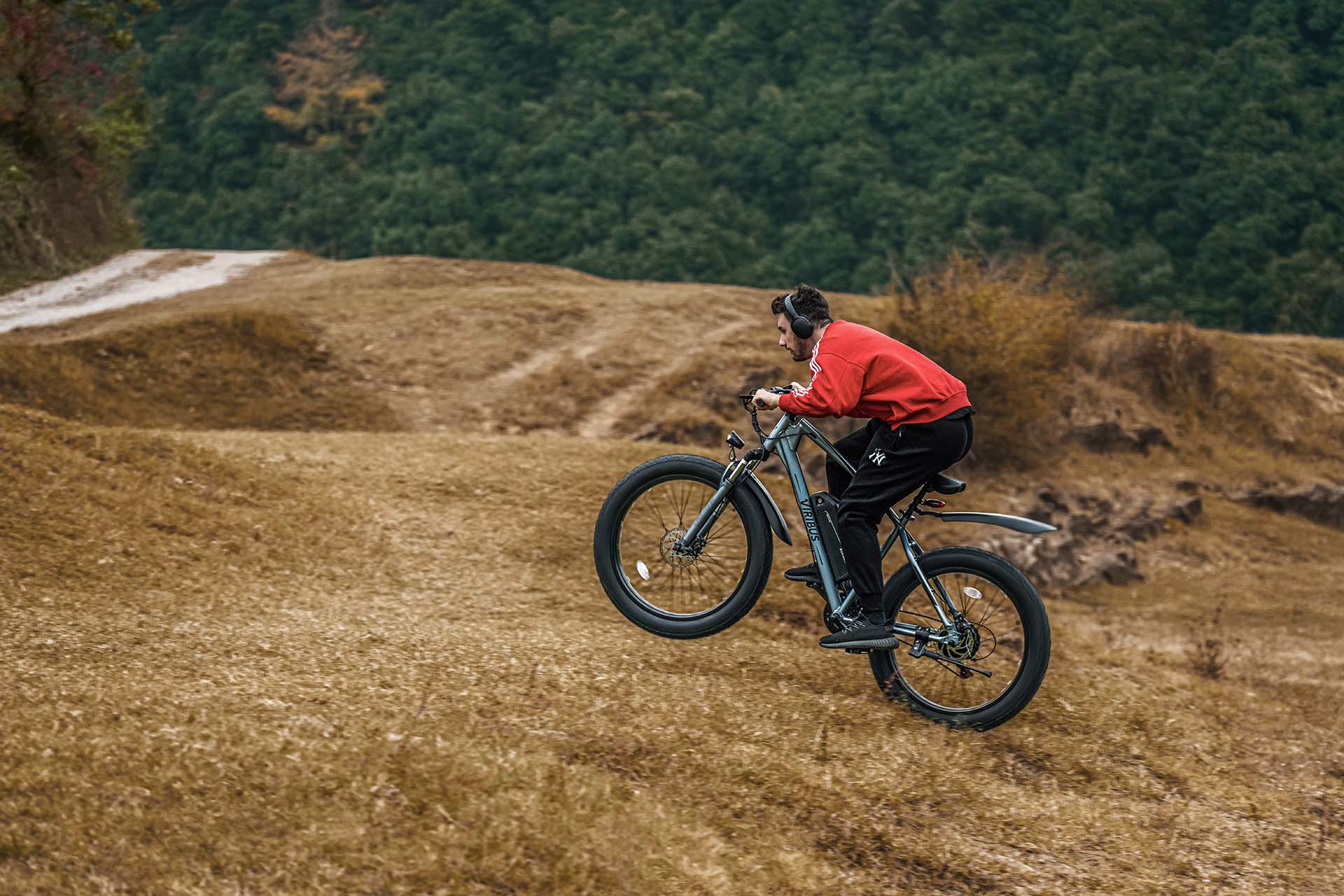
Class 1 e-bikes are widely accepted on many DNR-managed bicycle trails and pathways. These bikes provide pedal-assist only, meaning the motor activates only when the rider pedals, and assistance stops at 20 mph.
Riders may use Class 1 e-bikes on:
- Improved-surface trails
- Linear trails
- Paved pathways
- Gravel or asphalt bicycle paths
- Natural-surface nonmotorized bicycle trails
- State forest roads and pathways
- Trails within state parks and recreation areas
Because Class 1 e-bikes operate similarly to traditional bicycles, they are generally considered the least disruptive type of electric bike for shared-use trails. Their pedal-assist design helps riders tackle hills, longer distances, and rough terrain while still requiring physical effort from the rider.
These rules allow more people—including older riders and those with limited stamina—to enjoy outdoor recreation areas that may otherwise be difficult to access.
Areas Where E-Bikes Are Prohibited
Even though Class 1 e-bikes are allowed on many DNR-managed trails, there are still several restricted areas where electric bicycles are not permitted.
E-bikes are prohibited in:
- State game areas
- Wildlife management areas
- Congressionally authorized trails
- Certain protected pathways within sensitive natural regions
For example, the following trails and pathways prohibit e-bike use:
- The North Country Trail
- High Country Pathway
- Shingle Mill Pathway
- Pickerel Lake Pathway within the Pigeon River Country
These restrictions are often designed to protect wildlife habitats, preserve quiet recreation experiences, and reduce environmental impact on sensitive trail systems.
Before riding, cyclists should always check local trail signage and DNR regulations, as rules may change based on conservation needs, trail conditions, or seasonal restrictions.
Class 2 E-Bikes
Class 2 e-bikes include both pedal assist and throttle-powered operation. Riders can propel the bike without pedaling by using a throttle, though assistance is still limited to 20 mph.
Because throttle systems may create additional safety and trail-management concerns, Class 2 e-bikes are subject to stricter rules.
Mobility Permit Requirement
Cyclists with mobility limitations may obtain a free DNR-issued permit allowing them to ride Class 2 e-bikes anywhere Class 1 e-bikes are permitted.
This policy improves trail accessibility for riders who may struggle with traditional bicycles due to:
- Physical disabilities
- Joint conditions
- Reduced mobility
- Age-related limitations
- Medical conditions affecting endurance or strength
The permit system helps balance accessibility with trail conservation and user safety.
Riders carrying a mobility permit can access:
- Natural-surface bike trails
- State forest pathways
- Recreation area bicycle trails
- Improved-surface DNR-managed pathways
Without a permit, Class 2 e-bike access may be more limited depending on local regulations.
Class 3 E-Bikes
Class 3 e-bikes are not allowed on state-managed nonmotorized trails.
These bikes provide pedal-assist up to 28 mph, making them significantly faster than Class 1 and Class 2 models. Due to the higher speeds, DNR agencies often restrict them from shared-use recreational trails where pedestrians, hikers, and traditional cyclists are present.
Class 3 e-bikes are generally better suited for:
- Roads
- Bike lanes
- Urban commuting
- Paved transportation corridors
Riders should avoid bringing Class 3 e-bikes onto natural-surface or nonmotorized state trails unless specifically authorized.
Where to ride your Various bikes?
Where E-Bikes Are Prohibited
Even Class 1 e-bikes are prohibited in some sensitive or protected areas.
Restricted locations include:
- State game areas
- Wildlife areas
- The North Country Trail
- High Country Pathway
- Shingle Mill Pathway
- Pickerel Lake Pathway in the Pigeon River Country
Age Requirements
Michigan has minimal age restrictions for most e-bikes.
|
E-Bike Class |
Minimum Rider Age |
|
Class 1 |
No minimum age |
|
Class 2 |
No minimum age |
|
Class 3 |
Minimum age 14 |
Children under 14 may ride as passengers on a properly designed Class 3 e-bike but cannot operate one themselves.
Helmet Laws
Helmet requirements in Michigan depend on the e-bike class and rider age.
Class 1 and Class 2
Michigan does not require helmets by law for Class 1 or Class 2 e-bike riders, although wearing one is strongly recommended.
Class 3
For Class 3 e-bikes:
- Riders under 18 must wear a helmet
- Passengers under 18 must also wear a helmet
The helmet must meet recognized federal safety standards.
Registration, License, and Insurance
Most electric bicycles in Michigan do not require:
- Vehicle registration
- License plates
- Driver’s licenses
- Motorcycle endorsements
- Insurance
However, the e-bike must remain within the legal definition:
- 750 watts or less
- Proper class designation
- Functional pedals
Higher-powered bikes may fall into moped or motorcycle categories and require registration and licensing.
Michigan E-Bike Rebate Program
As interest in electric bicycles continues to grow across the United States, Michigan has explored several initiatives aimed at making e-bikes more affordable for residents. While Michigan does not yet have a fully enacted statewide e-bike rebate program as of early 2026, proposed legislation and existing local utility incentives already provide potential savings opportunities for eligible riders.
These programs are designed to encourage cleaner transportation, reduce traffic congestion, support sustainable commuting, and make electric mobility accessible to more households.
Proposed Michigan State E-Bike Incentive Program
Michigan lawmakers introduced House Bill 4491 (HB 4491) to create a statewide e-bike rebate program. Although the proposal generated significant interest, the legislation had not yet been fully enacted as of late 2024 and remained pending entering 2026.
If approved in the future, the program could provide substantial financial assistance to qualifying Michigan residents purchasing electric bicycles.
Proposed Rebate Amounts
Under the proposed legislation, eligible residents could receive vouchers covering up to 90% of an e-bike’s retail price, depending on household income.
Potential rebate amounts discussed in the proposal included:
- Up to $500 for qualifying purchases
- Higher rebates for lower-income households
- Possible incentives reaching $1,250 for eligible residents
The goal of the proposal is to reduce the upfront cost barrier that often prevents consumers from switching to electric transportation.
Income-Based Assistance
The proposed statewide program would prioritize income-qualified residents to ensure that lower-income households receive the greatest level of support.
This approach mirrors e-bike incentive programs already operating in other states and cities across the country, where rebates are scaled based on income levels.
Income-based programs help expand access to:
- Affordable ebike for commuting
- Car replacement transportation
- Lower fuel expenses
- Sustainable urban mobility
- Healthier transportation alternatives
Proposed Eligibility Requirements
Although the program is not yet officially active, proposed requirements included several important conditions.
Applicants would likely need to:
- Be Michigan residents
- Purchase a new e-bike
- Buy from a Michigan-based retailer
- Select an eligible e-bike model
- Submit proof of purchase and residency
The legislation also emphasized supporting local bicycle shops and Michigan businesses by requiring purchases from in-state retailers.
FAQs
Why are e-bikes banned on trails?
E-bikes aren’t universally banned on trails, but they are restricted in some areas—and when they are banned, it usually comes down to a mix of safety, environmental protection, and how the law classifies them compared to traditional bicycles.
Can you legally drive an electric bike without a license?
Yes—in most cases you can legally ride an electric bike without a driver’s license, but it depends on the e-bike class and local laws.
A license is only needed if your e-bike is effectively not an e-bike anymore under the law (too powerful, too fast, or reclassified as a moped/motorcycle).
Do You Need a License For an Electric Bike? A State-by-State Guide
Do you have to wear a helmet on an electric bike in Michigan?
In Michigan, wearing a helmet on an electric bike is not required for most riders, but the rules depend on the e-bike class and the rider’s age. For Class 1 and Class 2 e-bikes, helmets are not legally required under state law, although they are strongly recommended for safety.
For Class 3 e-bikes, which can assist up to 28 mph, helmet use is mandatory for riders and passengers under 18 years old, and the helmet must meet approved safety standards.
Riders 18 and older are not required by Michigan law to wear a helmet on any class of e-bike, but local ordinances in certain cities or parks may impose additional requirements or recommendations.
How fast can an ebike go in Michigan?
In Michigan, the fastest legal e-bike class is Class 3, with motor assistance up to 28 mph, while Class 1 and Class 2 are limited to 20 mph. Anything beyond these limits usually falls into moped or motorcycle regulations rather than e-bike rules.
Can you ride an electric bike with a suspended license in Michigan?
In Michigan, a suspended driver’s license usually does not prevent you from riding a legally defined e-bike, because e-bikes are treated like bicycles rather than motor vehicles.
However, if the bike is modified into a moped/motorcycle or your suspension includes broader restrictions, then riding it could become illegal.
Are e bikes allowed on Mackinac Island?
No—electric bikes are generally not allowed on Mackinac Island. The island has a long-standing motor-vehicle ban, and that includes most e-bikes.
How to tell if an ebike is illegal?
An e-bike becomes illegal (or reclassified as a moped/motorcycle) when it no longer fits your state’s legal definition of an electric bicycle. In places like Michigan (which follows the standard U.S. 3-class system), there are a few clear warning signs you can check.






Leave a comment
All comments are moderated before being published.
This site is protected by hCaptcha and the hCaptcha Privacy Policy and Terms of Service apply.