


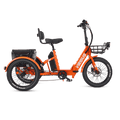


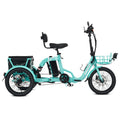







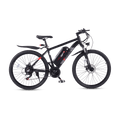




If you are thinking of getting an electric bike or even already shopping for one, there are very high chances that you are going to end up with a Class 2 electric bike. Class 2 Electric bikes are the most popular types of e-bikes out there, and a lot of people ride them every day without realizing that there are specific laws that apply to them.
However, for many buyers, the term “Class 2” isn’t very clear. What makes an e-bike Class 2? How is it different from Class 1 or Class 3? And what laws apply when you ride one?
This guide breaks it all down in plain English so you can decide whether a Class 2 e-bike is the right fit for you.

What Is a Class 2 E-Bike?
A Class 2 electric bike is an electric bicycle that can be powered by pedaling or by a throttle, with motor assistance capped at 20 mph. To legally qualify as a Class 2 e-bike in most U.S. states, a bike must meet these five important criteria:
- It must be throttle-enabled (can move without pedaling)
- Maximum assisted speed of 20 mph
- Motor power is typically limited to 750 watts
- It must have fully operable pedals
- The electric motor disengages once 20 mph is reached
Practically speaking, what really sets Class 2 electric bikes apart from Class 1 and Class 3 ebikes is the throttle. Unlike pedal–assist–only models (pedelecs), a Class 2 e-bike allows you to twist a throttle or press a button and let the motor move the bike without pedaling at all: similar to a scooter, but still legally classified as a bicycle.
Class 1 vs. Class 2 vs. Class 3 E-Bikes: Key Differences
| Feature | Class 1 | Class 2 | Class 3 |
| Throttle | No | Yes | No |
| Pedal Assist | Yes | Yes | Yes |
| Motor-Only Riding | No | Yes | No |
| Top Assisted Speed | 20 mph | 20 mph | 28 mph |
| Typical Use | Trails, fitness riding | Casual riding, commuting | Fast commuting |
| Bike Lane Access | Widely allowed | Widely allowed | More restricted |
- Class 1 is pedal-assist only
- Class 2 adds throttle convenience
- Class 3 prioritizes speed but removes the throttle
If an e-bike has a throttle but can go faster than 20 mph using the motor alone, it is not considered Class

Why Class 2 E-Bikes Are So Popular
Class 2 e-bikes are, by far, the most popular types of electric bikes because they provide a level of convenience that appeals to a wide range of riders: you can pedal when you want exercise, rely on the throttle when you’re tired, or mix both.
They are easy to use, flexible, and less intimidating for beginners. That versatility is why they’re commonly chosen as a vehicle of choice for a variety of tasks, like:
- Casual commuting
- Recreational riding
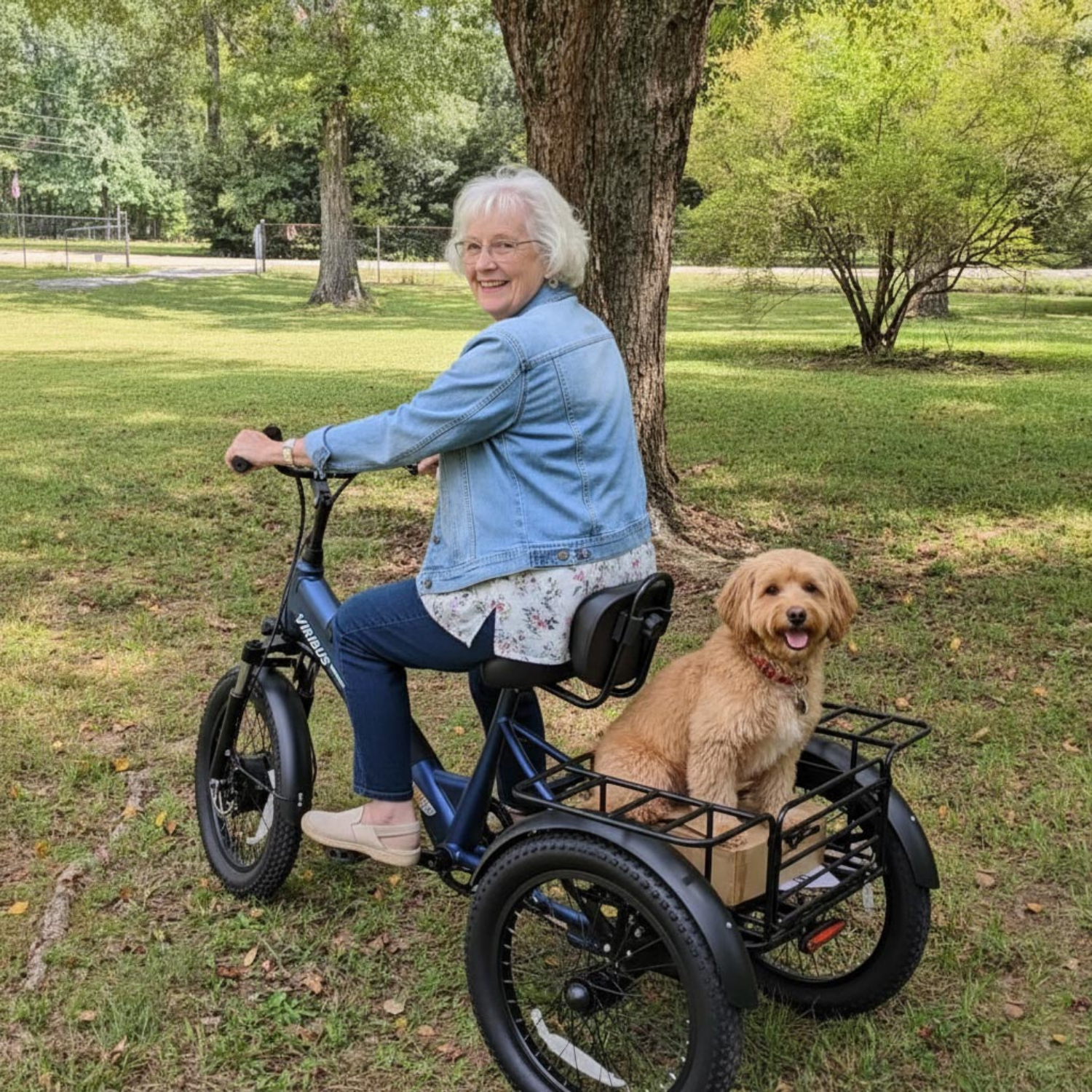
- Older riders
- Riders with joint or mobility concerns
- Errand runs and short trips
Key Features to Look for When Buying a Class 2 E-Bike
Not all Class 2 e-bikes are created equal. If you are in the market for the best Class 2 electric bike, pay attention to important specs and features like throttle type, motor power, battery range, and pedal assist level that serve as an indication of how well the bike can perform in the long run.
-
Throttle Type: Look for a thumb throttle or twist throttle that feels responsive but smooth. Cheap throttles can feel jerky or delayed.
-
Motor Power: Most Class 2 e-bikes use a 500W to 750W motor. 500W is great for flat terrain and city riding. 750W is better for hills, heavier riders, or cargo.
-
Battery Range: Check the realistic range, not just the maximum claim. 25–40 miles is typical for Class 2 electric bikes.
-
Pedal Assist Levels: Multiple pedal assist levels allow you to fine-tune how much help the motor gives you when pedaling. Ideally, you want 5 pedal assist levels, but 3 would do depending on your riding demands.
-
Brakes: Because Class 2 e-bikes can move under motor power alone, disc brakes (mechanical or hydraulic) are strongly recommended for safety.
- Frame Style: Step-thru frames are popular for Class 2 e-bikes since they’re easier to mount and dismount, especially for casual riders.
Choose The Best Class 2 Electric Bike
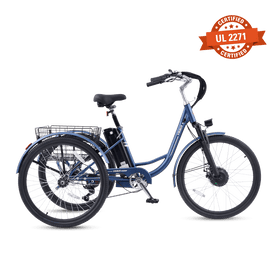
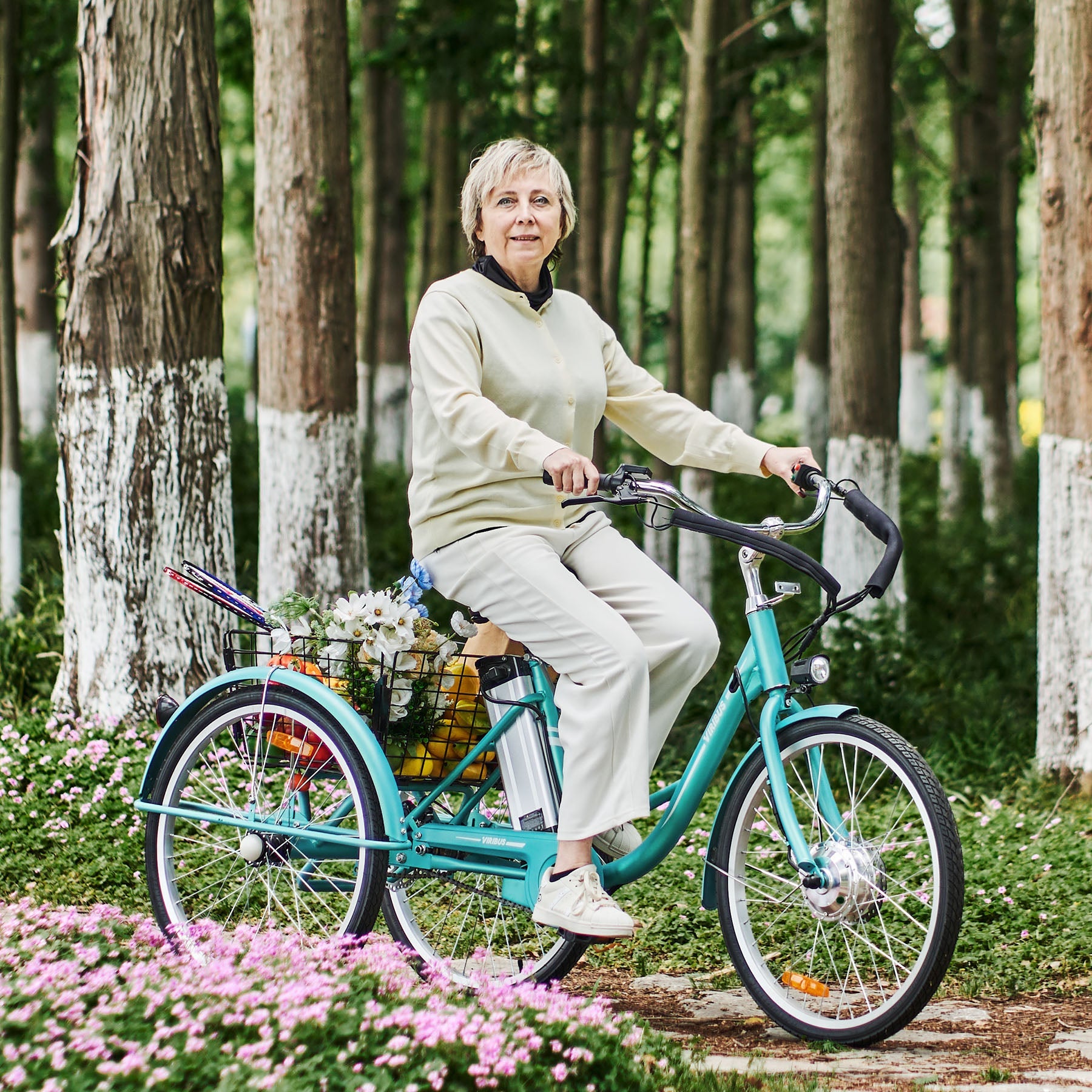
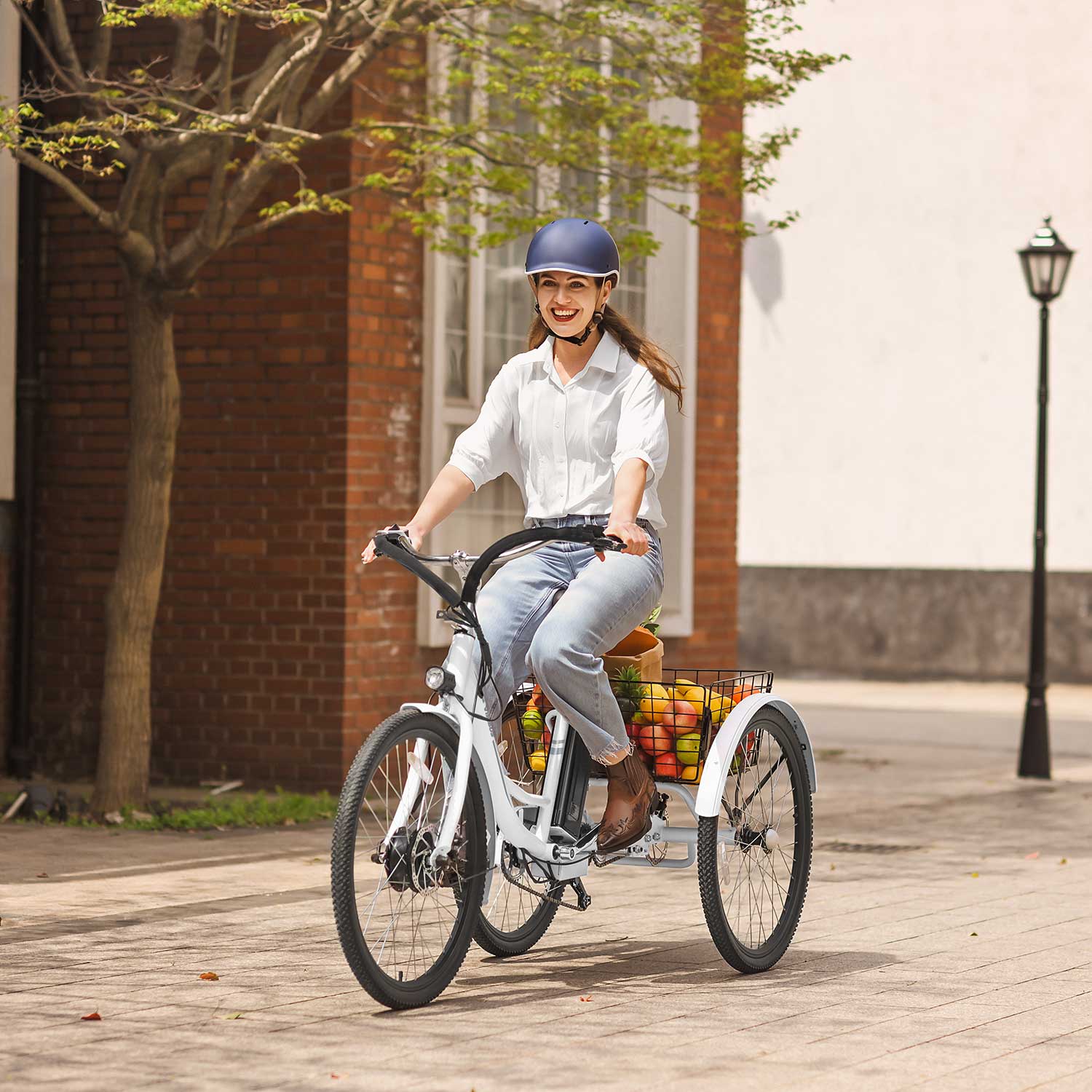
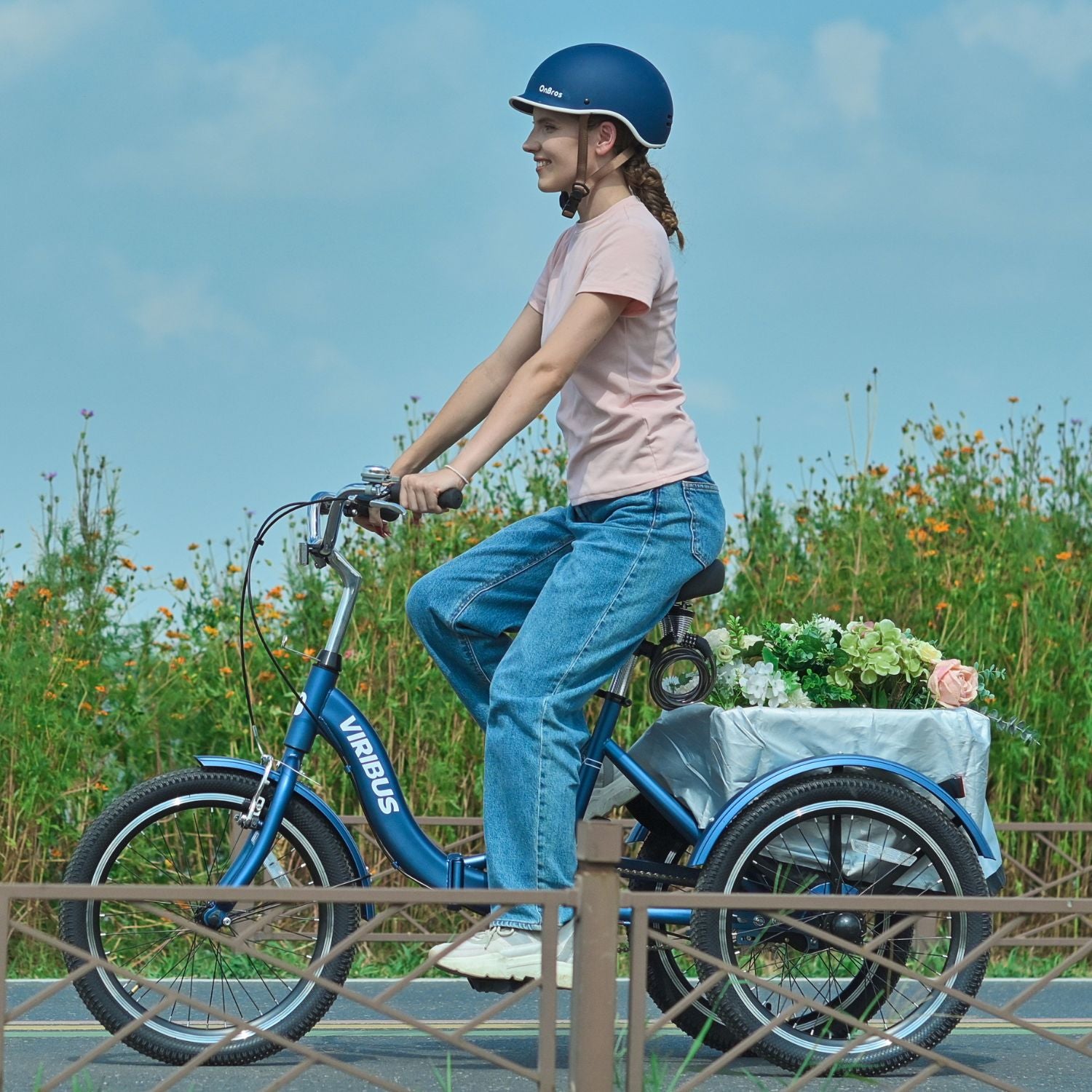
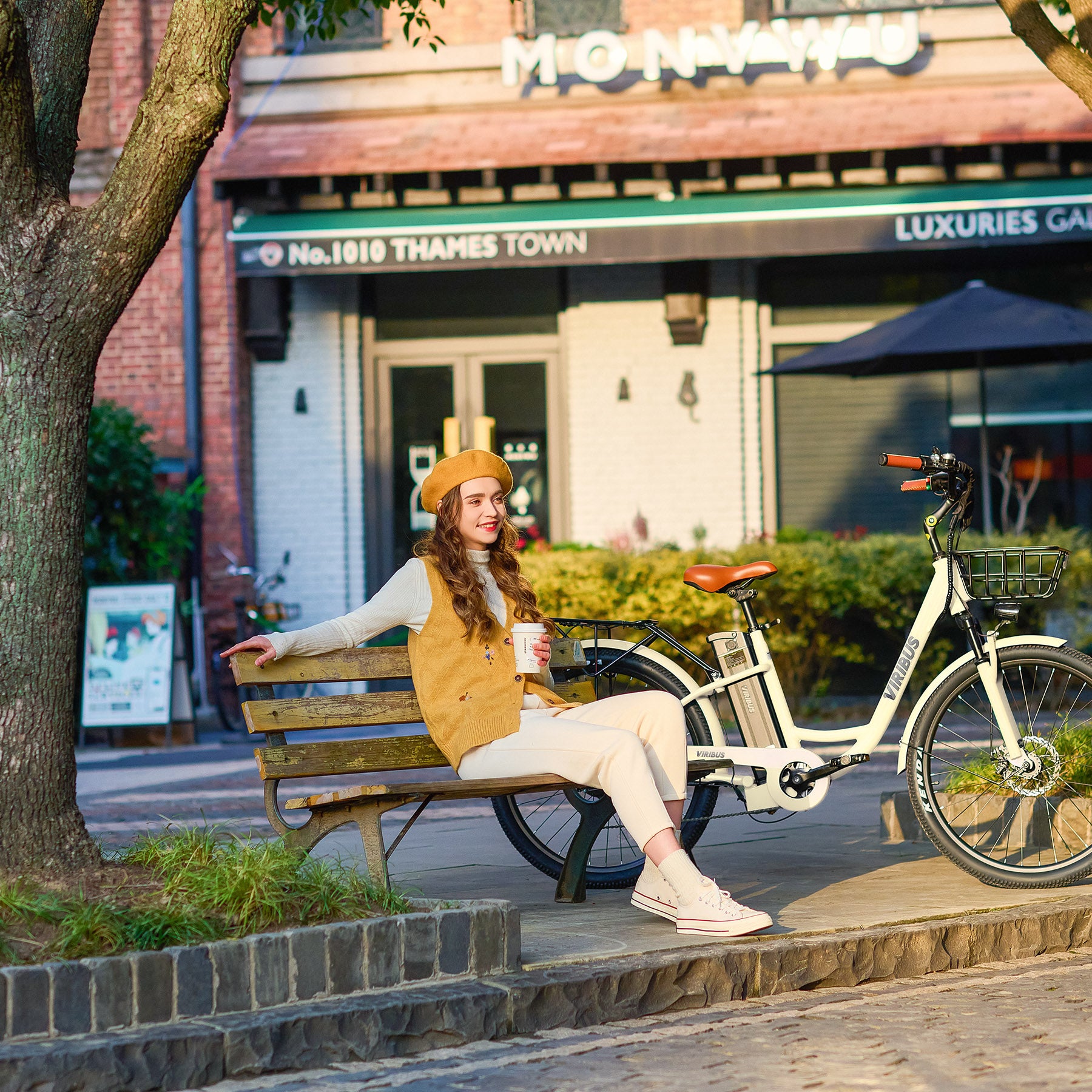
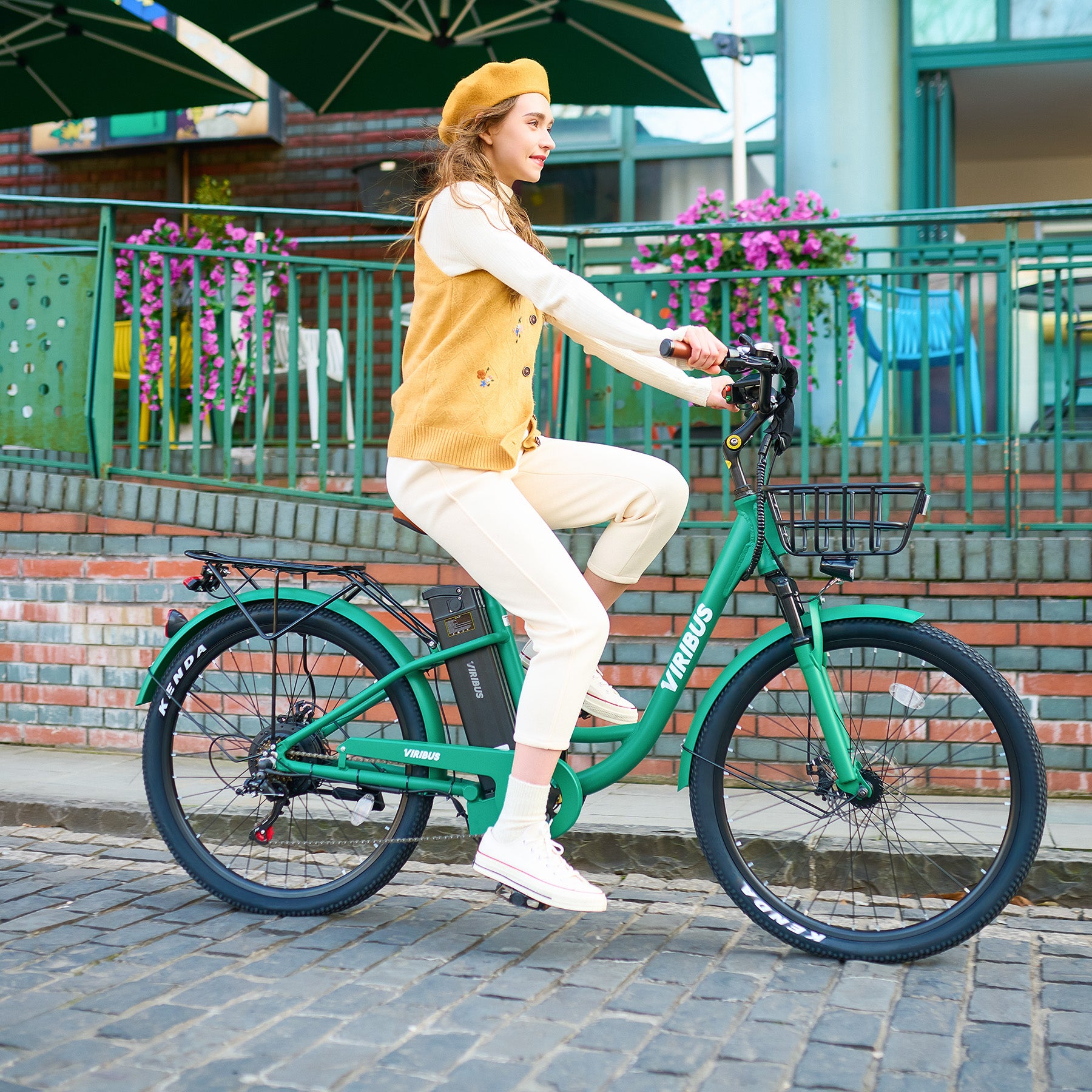
Currently on sale at $699, the Viribus BZ1 Step-Thru Electric Bike is the best and most affordable Class 2 Ebike for sale right now.
With a 500W motor and a 48V 13AH battery, it reaches a top speed of 20MPH, and can cover a distance of over 25-45 miles on a single charge. It is equipped with a quick and responsive thumb throttle and can cover up to 25 miles in throttle-only mode.
5 levels of pedal assist, mechanical disc brakes, a 7-speed gear system, and a low step-through frame. You have in this bike everything you need in a Class 2 electric bicycle.
Class 2 E-Bike Laws: What You Need to Know
In most U.S. states, Class 2 e-bikes are treated similarly to traditional bicycles, but there are important details to be aware of. Here are five ebike laws and regulations that apply specifically to Class 2 Ebikes in most states in the U.S:
- No driver’s license required
- No registration or insurance required
- Helmets are often required for younger riders only
- Allowed on roads, bike lanes, and many multi-use paths
- Must be labeled as a Class 2 e-bike by the manufacturer
Remember to always check local trail and city regulations, as access rules can vary.
1. Class 2 E-Bike Laws in Florida
Like most states, Florida recognizes the three-class e-bike system. The following laws apply to Class 2 Electric Bikes in Florida:
- Class 2 e-bikes are legal statewide
- They are treated as bicycles under Florida law
- They are allowed on roads and bike paths unless specifically prohibited
- A helmet is required only for riders under 16
Florida’s flat terrain and relaxed e-bike laws make Class 2 models especially popular. Florida's ebike laws are generally favorable, and it is the perfect state to enjoy a Class 2 E-bike.

2. Class 2 E-Bike Laws in Illinois
Illinois also follows the three-class system, with the following laws applying to Class 2 electric bikes:
- Class 2 e-bikes are legal
- Throttle use is permitted up to 20 mph
- Allowed on streets and bike lanes
- Trail access depends on the local authority
- Helmets are required for riders under 16
Illinois riders often choose Class 2 e-bikes for commuting and suburban riding.
3. Class 2 E-Bike Laws in California
California was one of the first states to adopt the e-bike class system, and there have been updates to California E-bike laws as recently as 2025. The following laws apply to Class 2 electric bikes in California:
- Class 2 e-bikes are legal
- The throttle allowed up to 20 mph
- Generally allowed on bike lanes and roads
- Trail access depends on local and park regulations
- No license or registration required
- Helmets are required for riders under 18
California’s clear classification system makes it easier to know where you can legally ride.
Class 2 Ebike Laws: Florida vs. California vs. Illinois
| State | Legal Status | Throttle Allowed | Max Assisted Speed | License / Registration | Helmet Rules | Where You Can Ride |
| Florida | Legal | Yes | 20 mph | Not required | Under 16 only | Roads, bike lanes, and most bike paths, unless restricted |
| California | Legal | Yes | 20 mph | Not required | Under 18 only | Roads, bike lanes, multi-use paths (trail access may vary) |
| Illinois | Legal | Yes | 20 mph | Not required | Under 16 only | Roads and bike lanes; trail access determined locally |
Final Thoughts: Is a Class 2 E-Bike Right for You?
If you want an e-bike that’s easy to ride, flexible, beginner-friendly, and widely legal, a Class 2 e-bike is hard to beat. The throttle option alone makes it more accessible than other classes, especially for casual riders and commuters who want convenience without sacrificing bicycle access.
For many riders, it’s not just the most popular class-it’s the most practical.
Explore more on what pedal assist means, and how it might help you get the most out of your Class 2 electric bike.






Leave a comment
All comments are moderated before being published.
This site is protected by hCaptcha and the hCaptcha Privacy Policy and Terms of Service apply.