





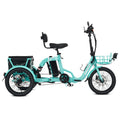









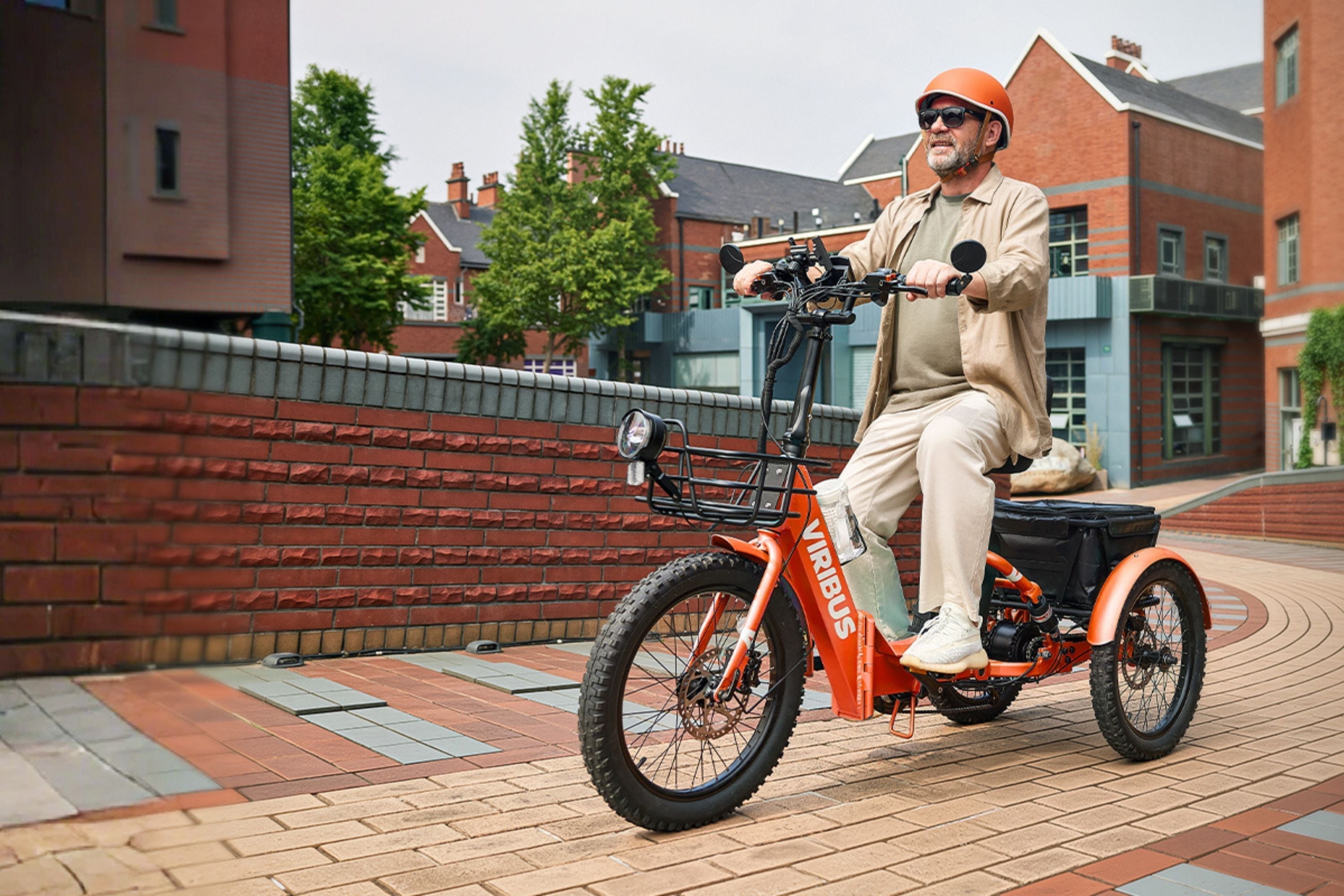
Adult tricycles are booming in popularity. With unmatched stability and cargo space, they are a favorite for seniors, commuters, and anyone wanting a low-impact ride. Because e-trikes are wider than standard bikes and powered by a motor, many riders instinctively head for the sidewalk to avoid heavy traffic. But is it actually legal?
Is It Legal to Ride an Electric Tricycle on the Sidewalk?

Sidewalk laws vary dramatically depending on your state and, more importantly, your specific city or municipality. In most legislative frameworks, electric tricycles are regulated under the same exact umbrella as traditional bicycles and two-wheeled e-bikes. Because there is no single overarching federal law governing sidewalk traffic, you must verify your local regulations before hitting the pavement.
Are Electric Tricycles Street Legal in the US?
The "Three-Class" System
Most states classify electric trikes and bikes under a standardized Three-Class System. To know where you can ride, you first have to figure out what you are riding:
- Class 1: Pedal-assist only. The motor kicks in only when you pedal and cuts off at 20 mph.
- Class 2: Throttle-assisted. You can twist a throttle to ride without pedaling, but the motor still cuts off at 20 mph.
- Class 3: Pedal-assist only, but can reach speeds up to 28 mph.
If your e-trike is a Class 3, it is almost universally banned from sidewalks across the country due to its high speed. Class 1 and Class 2 have a bit more wiggle room, but it varies wildly by state.
Where Can You Ride Class 3 E-Bikes?
State-by-State Guide to Sidewalk Riding

While federal law regulates how e-bikes and e-trikes are manufactured, local and state laws determine where you can ride them. Below is a breakdown of how different states handle sidewalk riding.
|
State |
Sidewalk Riding |
License Required |
Helmet Required |
Minimum Age |
Class 3 Restrictions |
|
California |
Limited |
No |
Yes (Class 3) |
16 |
Yes |
|
Florida |
Often Allowed |
No |
Under 16 |
16 |
Yes |
|
Texas |
Local Rules |
No |
Under 18 (Class 3) |
15 |
Yes |
|
New York |
Mostly Prohibited |
No |
16–17 & Class 3 |
Varies |
Yes |
|
Wisconsin |
No |
No |
No Statewide Law |
16 (Class 3) |
Yes |
|
... |
... |
... |
... |
... |
... |
States Where Sidewalk Riding Is Generally Prohibited

These states either classify electric trikes similarly to motor vehicles or specifically prohibit bicycles and electric bicycles from operating on pedestrian sidewalks. Riders are generally expected to use roadways, bike lanes, or designated cycling infrastructure.
Alabama
Alabama has some of the strictest regulations regarding electric bicycles. Rather than treating low-speed e-bikes like traditional bicycles, the state generally classifies them as motor-driven cycles. As a result, electric tricycles are not permitted on sidewalks or bicycle paths intended for non-motorized traffic. Riders must operate their e-trikes on public roadways while following the same traffic laws that apply to other motor vehicles. Depending on the vehicle's specifications, registration and licensing requirements may also apply.
Illinois
Illinois generally prohibits electric tricycles from being ridden on public sidewalks because they are treated similarly to bicycles under state traffic laws. Riders are expected to use bike lanes, paved shoulders, or public streets whenever available. Multi-use recreational trails may allow electric trikes, but access is determined by local park districts or municipalities. Sidewalk riding is typically only tolerated in limited situations, such as when entering or leaving private property.
New York
New York has one of the clearest statewide rules regarding sidewalks: electric bicycles and electric tricycles are not permitted on sidewalks unless specifically authorized by a local government. In New York City, sidewalk riding is illegal in nearly all situations and can result in fines. Riders should remain in bike lanes or on streets with posted speed limits that allow bicycle traffic. Because local governments may establish additional restrictions, riders should always verify municipal regulations before traveling.
States with Conditional or Class-Specific Sidewalk Rules

Several states take a more flexible approach by allowing certain classes of electric tricycles on sidewalks while restricting higher-speed models. In these states, whether sidewalk riding is legal often depends on the e-trike's classification, local ordinances, and the type of sidewalk or trail involved.
California
California uses the three-class e-bike system to regulate where electric tricycles may operate. Class 3 electric trikes (pedal assist up to 28 mph) are prohibited from sidewalks statewide because of their higher operating speeds. Class 1 and Class 2 electric trikes are generally treated like traditional bicycles, but local governments have broad authority to regulate sidewalk use. Large cities such as Los Angeles, San Francisco, and San Diego often prohibit bicycle and e-bike riding on sidewalks in busy commercial districts or high-pedestrian areas. Riders should pay attention to posted signs and municipal ordinances before using sidewalks.
Colorado
Colorado also follows the three-class system. Class 1 and Class 2 electric trikes are generally permitted on multi-use paths, shared pedestrian trails, and certain sidewalks where bicycles are allowed. However, Class 3 models are restricted to roadways and bike lanes because of their higher speeds. Individual cities, counties, and park authorities may impose additional restrictions, particularly on mountain bike trails, urban greenways, or heavily trafficked pedestrian corridors.
Pennsylvania
Pennsylvania recognizes electric tricycles that meet the state's definition of a "pedalcycle with electric assist." To qualify, the vehicle must generally weigh less than 100 pounds, have operable pedals, and meet power and speed limitations. Qualified electric trikes may be permitted on some sidewalks and shared-use pathways where local ordinances allow bicycle access. However, many downtown business districts and municipalities prohibit sidewalk riding for safety reasons, making it essential to review local regulations before riding.
States Where Sidewalk Riding Is Generally Allowed

These states are generally more permissive and treat low-speed electric tricycles much like conventional bicycles. While sidewalk riding is often legal under state law, riders are still expected to travel at safe speeds, exercise caution around pedestrians, and comply with any local restrictions.
Arizona
Arizona has some of the most rider-friendly electric bicycle laws in the country. Low-speed Class 1 and Class 2 electric trikes that meet federal standards (motor under 750 watts) are generally permitted on sidewalks, bike paths, and shared-use trails unless a local government prohibits them. Riders must always yield the right-of-way to pedestrians, provide an audible warning when passing, and maintain safe operating speeds in crowded areas.
Florida
Florida law grants qualifying electric bicycles and electric tricycles the same rights and responsibilities as traditional bicycles. This means riders may generally operate on streets, bicycle lanes, and sidewalks. However, when riding on sidewalks, operators must yield to pedestrians, slow down when approaching intersections, and exercise reasonable care to avoid collisions. Many coastal cities and downtown districts have adopted local ordinances restricting sidewalk riding in high-traffic tourist areas, so checking local regulations remains important.
Texas
Texas largely follows traditional bicycle regulations, allowing electric tricycles to operate wherever bicycles are permitted. Sidewalk riding is generally allowed under state law unless prohibited by a local municipality. Major cities such as Austin, Dallas, Houston, and San Antonio may restrict sidewalk riding in central business districts, entertainment zones, university campuses, or heavily populated pedestrian areas. Riders should always watch for posted signs indicating whether bicycles and e-bikes are permitted.
Important Notes
Even if your state generally allows electric tricycles on sidewalks, city and county governments often have the final say. Local regulations may prohibit riding on sidewalks near schools, shopping districts, transit stations, parks, or other crowded public spaces. Before riding in an unfamiliar area, it's always a good idea to check your city's transportation department or local municipal code to ensure you're following the latest rules.
Where Can You Legally Ride an Electric Tricycle?

If the sidewalk is a legal gray area or outright banned in your area, look to these three common infrastructure options:
- Bike Lanes This is usually your safest and most appropriate option. Most cities allow e-trikes wherever traditional bicycles are permitted to ride.
- Multi-Use Paths and Greenways Shared-use public trails and recreational greenways often welcome electric tricycles. Keep an eye out for posted signage regarding e-bike speed caps or class restrictions.
- Roads and Streets On public roads, e-trike riders generally hold the exact same rights and responsibilities as standard cyclists. In many jurisdictions, you are legally entitled to use the full traffic lane when a lane is too narrow to share safely with a car.
What About Riders Using an Electric Tricycle as a Mobility Device?
For some individuals with physical limitations, an electric tricycle functions as a necessary personal mobility device rather than a recreational vehicle. Under the Americans with Disabilities Act (ADA), certain protections allow the use of assistive mobility devices in pedestrian spaces if the individual requires it due to a disability.
FAQs
Can you ride an electric tricycle on the sidewalk?
It depends heavily on your local laws. Many cities regulate sidewalk riding independently of state law, so always check your municipal code before riding on a pedestrian walkway.
Do you need a license for an electric tricycle?
Are electric tricycles treated the same as bicycles?
In most states, yes. Low-speed electric tricycles (typically Class 1 and Class 2 models capped at 20 mph) generally share the same rules and privileges as traditional bicycles, though local variations exist.
Electric Tricycles vs Electric Bikes: Which Is Better for You?
Can you ride an electric tricycle in a bike lane?
Generally, yes. Most jurisdictions permit electric tricycles to use designated bike lanes wherever standard bicycles are allowed, provided the motor meets local power limitations (usually under 750W).
What should you do if there are no bike lanes?
If there are no bike lanes and sidewalk riding is prohibited in your zone, you should choose a quieter, low-speed neighborhood street where you can safely share the roadway, or look for a nearby multi-use trail.
Are electric tricycles good for seniors?
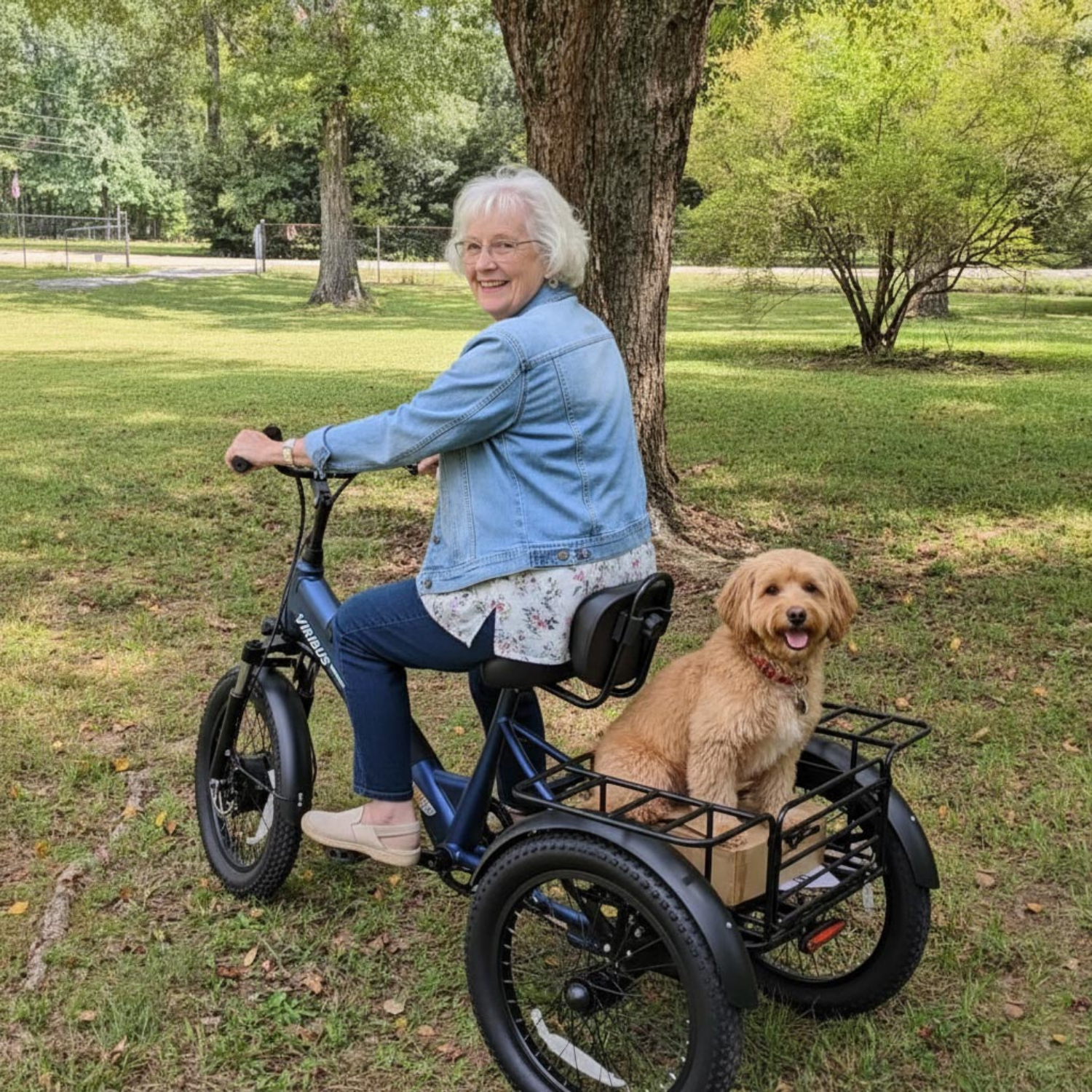
Absolutely. Their stable three-wheel configuration completely eliminates the need to balance at a stop, making them an incredibly secure, confidence-inspiring tricycle for older adults or anyone managing mobility challenges.














Leave a comment
All comments are moderated before being published.
This site is protected by hCaptcha and the hCaptcha Privacy Policy and Terms of Service apply.