


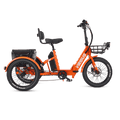


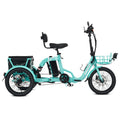







For many people, getting back on a bicycle is exciting—until concerns about balance, joint pain, or falling set in. That's where adult trikes offer a practical alternative. Their stable three-wheel design provides greater confidence and support, making them a popular choice for seniors, riders recovering from injuries, and anyone with balance or mobility challenges.
One of the most common questions from first-time buyers is: Are adult tricycles hard to pedal? While they may appear larger and heavier than traditional bicycles, modern trikes are designed for comfort and efficiency. I'll explain how much effort they really require, what factors affect pedaling, and how to make every ride as smooth and enjoyable as possible.
Are Adult Tricycles Hard to Pedal?

No, adult tricycles are not inherently harder to pedal than traditional bicycles. In fact, for many riders, they actually feel much easier.
Because a trike has three wheels, it supports its own weight and yours. You do not have to spend any physical energy balancing, which is one of the most exhausting parts of riding a standard bicycle. You can pedal as slowly as you like, or even come to a complete stop, without ever having to put your feet on the ground to balance.
While they are heavier than standard bikes, modern engineering and multi-speed gear systems make compensating for that weight remarkably easy.
Why Some Riders Think They Are Harder

If they aren't actually harder to ride, why does this rumor persist? There are a few key reasons first-time riders might find them a bit more demanding at first:
Adult Tricycle Pros and Cons, Explained
- Heavier Frame Construction: Because they require more steel or aluminum to support three wheels and often feature large cargo baskets, trikes generally weigh 10 to 20 pounds more than standard bicycles.
- Additional Rolling Resistance: Having a third wheel means there is one more tire making contact with the ground, which naturally creates a tiny bit more friction (rolling resistance) as you move.
- Wider Turning Radius: Tricycles handle turns differently than bicycles. You cannot lean into a turn on a traditional trike; instead, you must steer the handlebars. This mechanic can feel heavy or awkward during your first few rides.
- Different Riding Mechanics: Your body uses slightly different muscles to steer and pedal a trike compared to a bicycle, which can temporarily tire out new riders as their muscles adjust.
What Makes Adult Tricycles Easy to Pedal?

Despite the extra weight, several design features work together to make adult tricycles incredibly user-friendly and highly accessible.
Three-Wheel Design
The defining feature of a tricycle is its absolute stability. Because you do not need to maintain a minimum speed just to stay upright, you can pedal at a leisurely, stress-free pace. This makes starting from a complete stop—often the most physically demanding part of bicycling—smooth and wobble-free.
Upright Riding Position
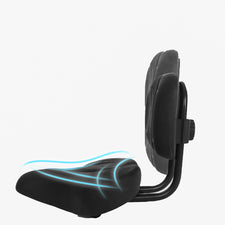
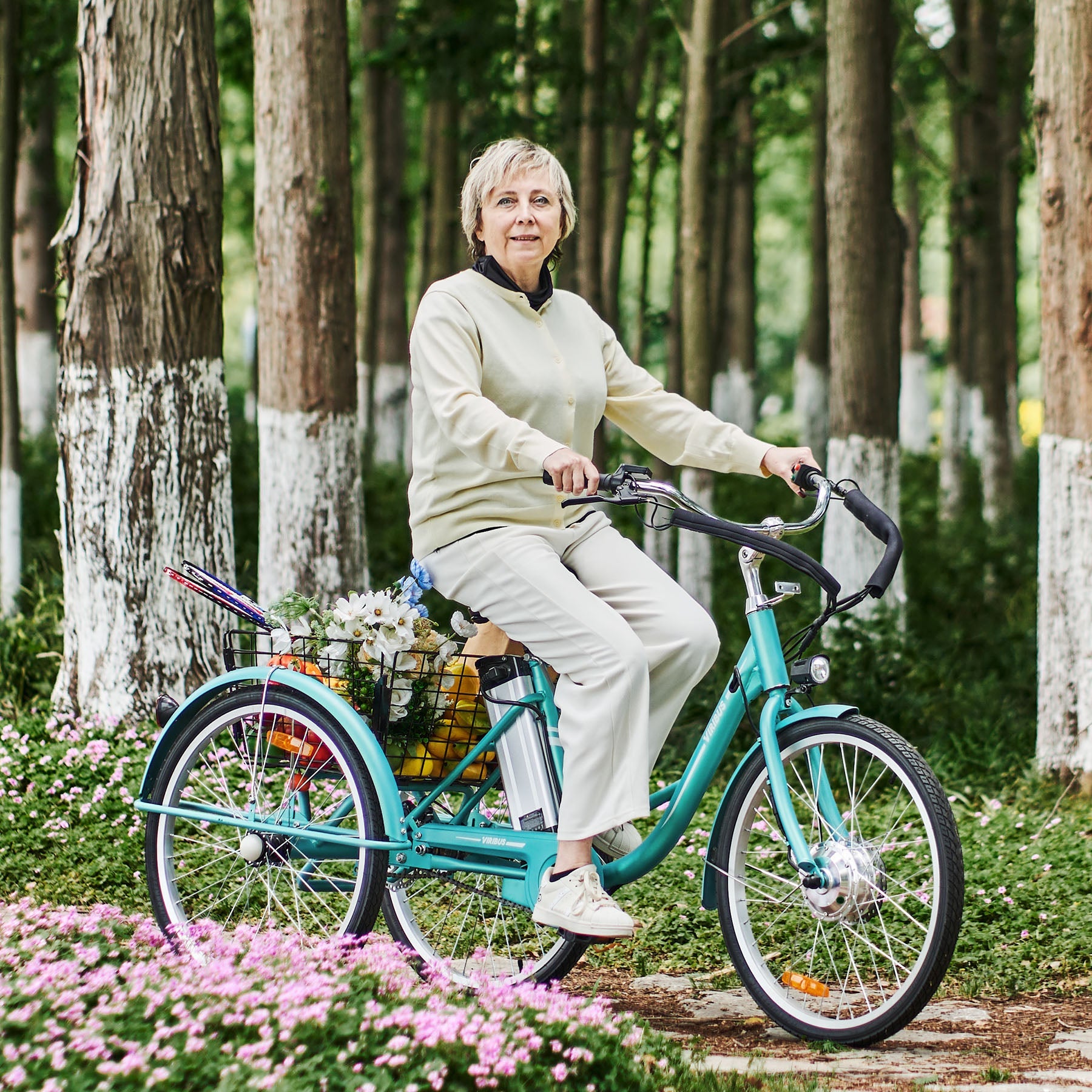
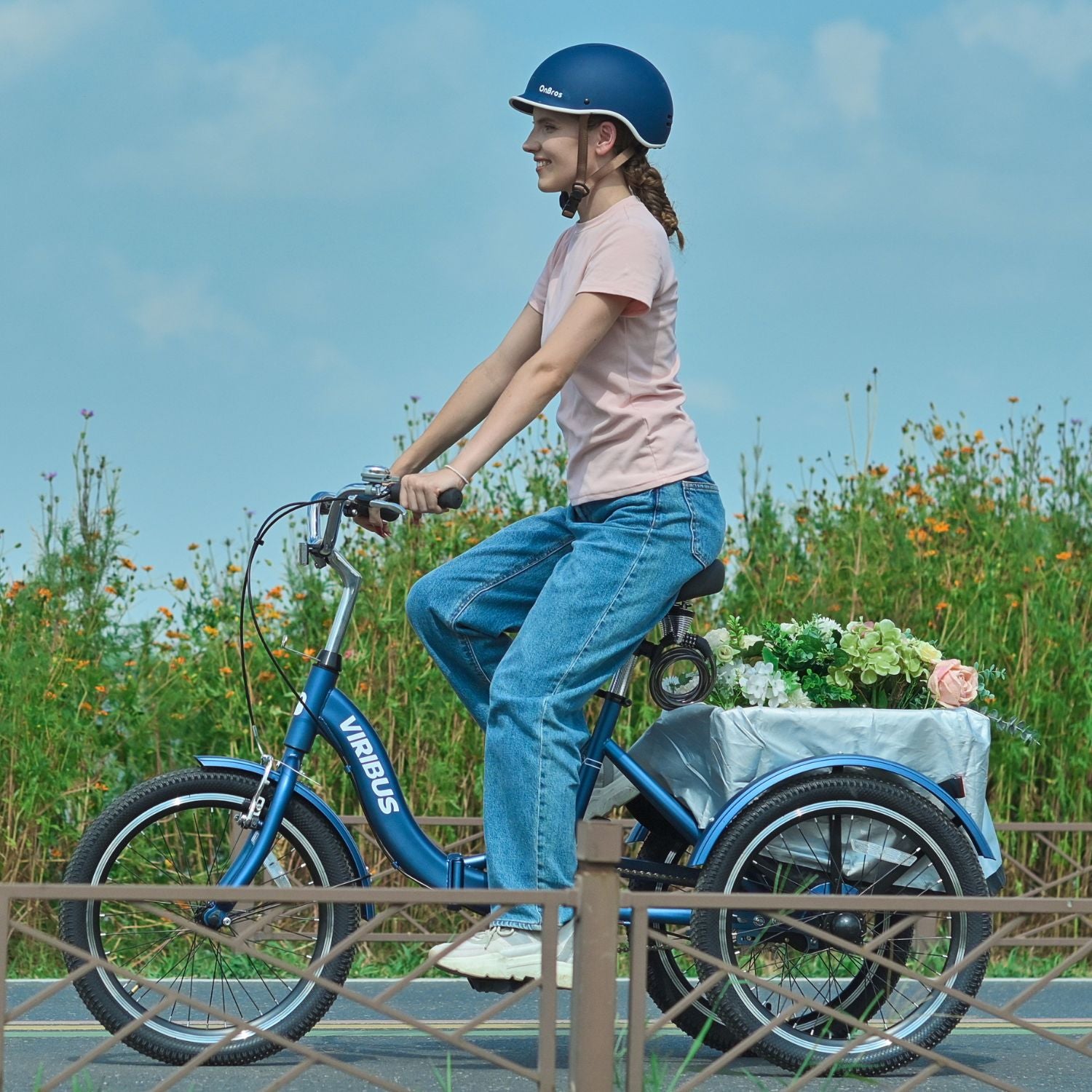
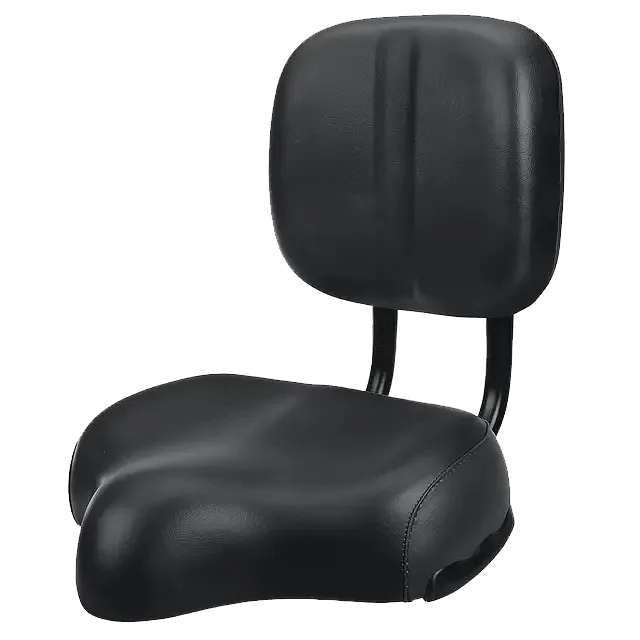
Most adult tricycles are built with swept-back handlebars and wide, cushioned seats. This design allows you to sit completely upright, taking the pressure off your lower back, wrists, shoulders, and neck. When your body is comfortable and properly aligned, your legs can channel power directly to the pedals much more efficiently.
Low-Step Frames
Standard bike frames require you to swing your leg high over the seat or top tube to mount. Adult trikes almost always feature "low-step" or "step-through" frames. You can easily step right through the frame just inches off the ground, making mounting and dismounting completely effortless. This builds immediate confidence, especially for seniors or those with hip and knee stiffness.
Top 8 Reasons Why Your Bike Is Too Hard to Pedal
Factors That Affect Pedaling Effort

How easy your trike is to pedal will ultimately depend on a few key variables. Understanding these factors can help you choose the right model and set-up for your needs.
Rider Fitness
Your personal physical strength and stamina will play a role. If you have not ridden a bike in years, your leg muscles and cardiovascular system will need a little time to adapt. The great news is that trikes are a fantastic, low-impact way to rebuild your fitness, and regular short rides will make pedaling feel easier week by week.
Terrain
Terrain is a major factor. On flat, paved roads, concrete paths, or flat rail-trails, an adult tricycle rolls beautifully with very little effort. However, gravity is inescapable. When you encounter hills, the extra weight of the trike will require more leg power to push upward.
Gear System
If you plan on riding anywhere that isn't perfectly flat, the gear system is your best friend.
- Single-Speed Trikes: Best for completely flat neighborhoods and boardwalks. They are simple but offer no help on inclines.
- Multi-Speed Trikes (usually 3 to 7 speeds): Highly recommended. Shifting into a lower gear makes the pedals incredibly easy to spin, allowing you to climb hills without straining your knees.
Tire Pressure and Maintenance
Tires that are low on air flatten out against the pavement, creating massive resistance that makes pedaling feel like you are riding through wet cement. Keeping your tires inflated to their recommended pressure, keeping your chain lubricated, and ensuring your brakes aren't rubbing will make an enormous difference in how light the trike feels.
Cargo Weight
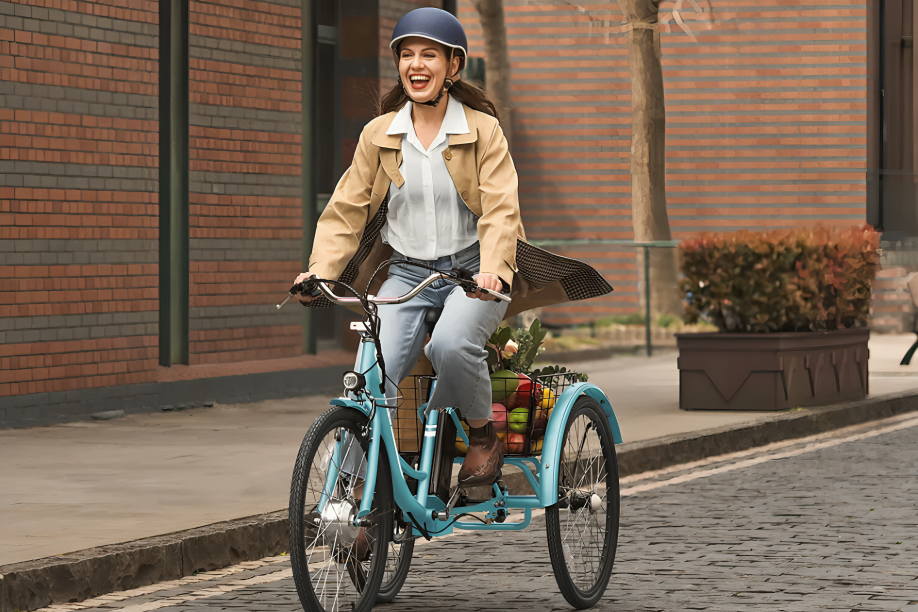
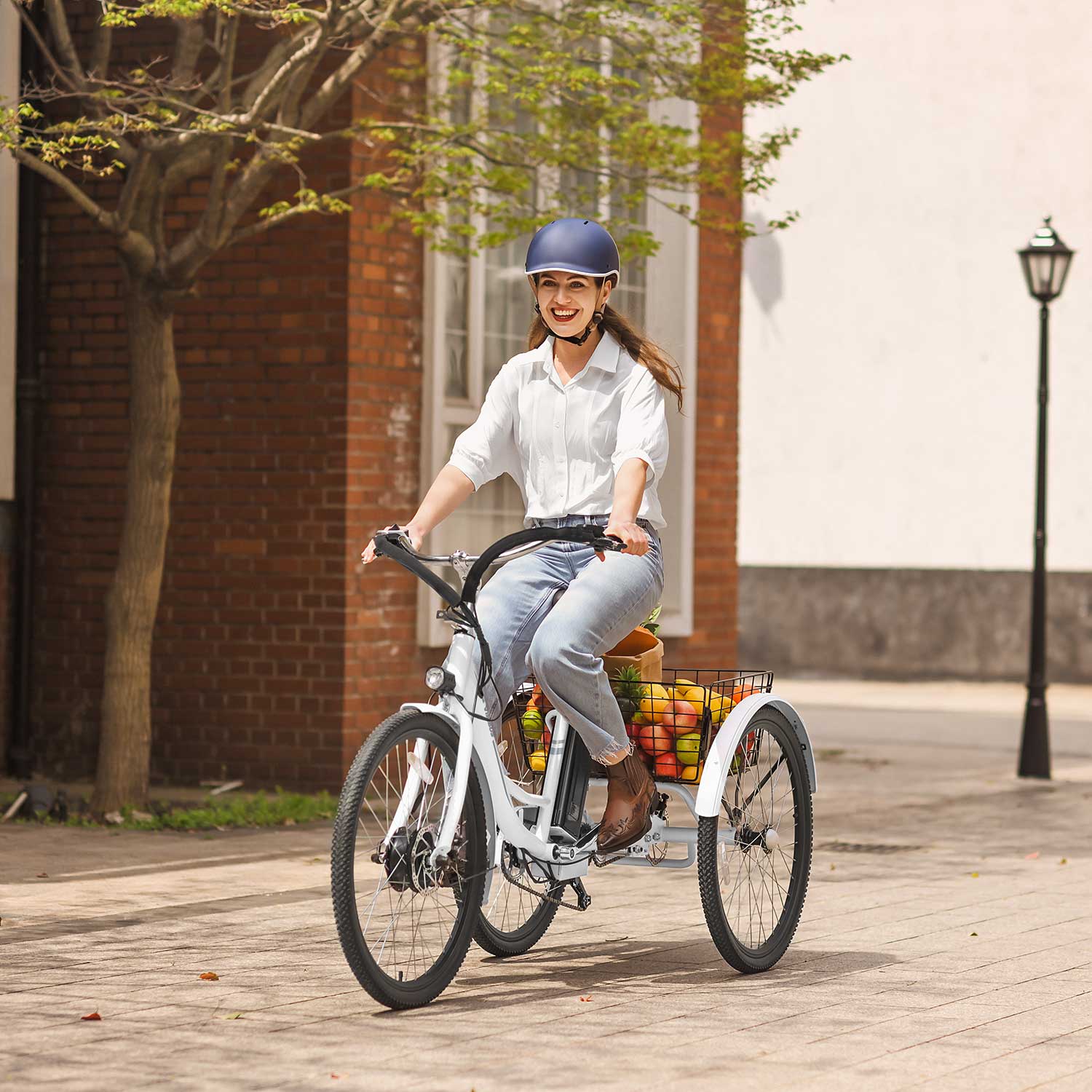
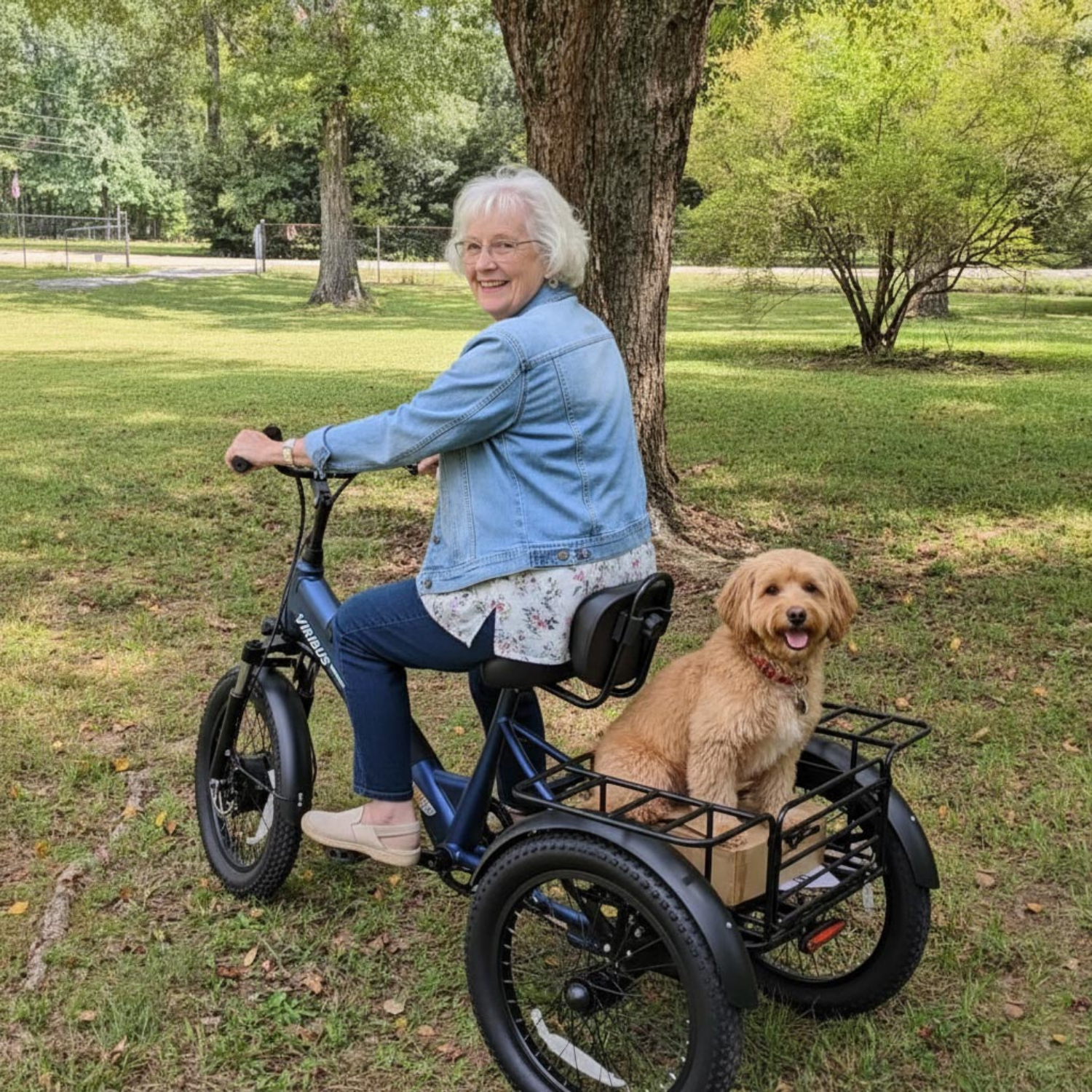
One of the best perks of a trike is the rear basket, perfect for groceries, picnic supplies, or even a small pet. However, carrying heavy cargo adds weight. Because trikes are so stable, they handle heavy loads incredibly well without tipping, but you will need to use your lower gears to offset the extra weight.
Electric Adult Tricycles Make Pedaling Even Easier

If you love the stability of a tricycle but worry you won't have the strength for hills or longer distances, an e-trike is the ultimate solution.
Pedal Assist Technology
Electric trikes feature an electric motor that activates only when you pedal. Known as "pedal assist," this technology senses your pedaling motion and matches your effort. It feels like a gentle, powerful push from behind. Most e-trikes let you adjust the assistance level (usually from level 1 to 5), meaning you can get a workout when you want one, and let the motor take over when you get tired.
Throttle Options
Many e-trikes also come equipped with a hand throttle. With a simple twist of the wrist or push of a button, the motor will propel you forward without you having to pedal at all. This is incredibly helpful for starting from a dead stop at intersections, climbing steep driveways, or giving your joints a complete break.
Tips to Make Your Adult Tricycle Even Easier to Pedal

If you want to maximize your comfort and minimize your physical effort, follow these five simple tips:
- Choose the Right Gear Before Starting: If your trike has gears, always shift into a low (easy) gear before you stop. This ensures that when you start moving again, pushing the pedals requires almost zero effort.
- Maintain Proper Tire Pressure: Check your tire pressure at least once a month. Keeping them pumped to the maximum PSI printed on the tire sidewall reduces rolling resistance significantly.
- Adjust Your Seat Height Correctly: If your seat is too low, your knees will bend too much, preventing you from using your leg muscles efficiently. When your foot is on the pedal at its lowest point, your leg should have just a very slight bend in the knee.
- Travel Light Whenever Possible: Don't haul heavy locks, tools, or extra cargo in your basket unless you actually need them for that specific trip.
- Build Strength with Short, Regular Rides: Start with flat 10-to-15-minute rides. Give your body a few weeks to build up its "trike muscles," and you'll find that longer rides quickly become a breeze.
Common Misconceptions About Adult Tricycles

"Three Wheels Mean More Effort"
While a third wheel adds minor weight and rolling resistance, this is almost always offset by the fact that you do not have to spend energy balancing. On a traditional bicycle, your core, arms, and legs are constantly making micro-adjustments to keep you upright. On a trike, 100% of your energy is dedicated purely to forward motion.
"Adult Tricycles Are Slow"
Tricycles are designed for utility, comfort, and safety rather than speed. While you won't be breaking any land-speed records, they easily cruise at comfortable speeds of 8 to 12 mph (and faster with electric assist). The focus here is enjoying the journey safely, not racing.
Tricycles vs. Bicycles: Which Is Safer for You?
"Only Seniors Ride Adult Tricycles"
This is a rapidly changing stereotype. College students use them to haul books across campus, delivery riders use heavy-duty cargo trikes in cities, and young families use them to carry groceries or pets. Trikes are practical, fun, and highly functional for riders of all ages.
Should Elderly People Choose Bicycles or Tricycles?
Who Benefits Most from Easy-Pedaling Adult Tricycles?
One of the biggest advantages of an adult tricycle is its accessibility. Thanks to their stable three-wheel design, comfortable riding position, and low-impact pedaling, trikes make cycling possible for people who may not feel confident or comfortable on a traditional two-wheeled bicycle. Whether you're looking for exercise, transportation, or simply a fun way to enjoy the outdoors, an adult tricycle can provide a safer and more enjoyable riding experience.
Seniors

Adult tricycles are especially popular among older adults who want to stay active without worrying about losing their balance. Unlike traditional bicycles, a trike for seniors remains stable when riding slowly or stopped, eliminating the need to put a foot down at every stoplight. The upright riding position also reduces pressure on the back, neck, wrists, and shoulders, making longer rides more comfortable. Regular cycling on a tricycle can improve cardiovascular health, strengthen leg muscles, enhance joint mobility, and encourage an active lifestyle while minimizing the risk of falls.
Riders Recovering from Injuries

For individuals recovering from knee replacements, hip surgery, back injuries, or other mobility-related conditions, an adaptive tricycle provides a safe and controlled way to rebuild strength and endurance. Because riders don't need to balance the bike, they can focus on maintaining a smooth, consistent pedaling motion without the fear of tipping over. Many physical therapists recommend low-impact cycling as part of rehabilitation, and a tricycle allows riders to regain confidence while exercising at their own pace.
Adaptive Bicycles : Everything You Need to Know
Adults with Balance or Mobility Challenges

People living with vertigo, inner-ear disorders, Parkinson's disease, multiple sclerosis, or other conditions that affect balance often find traditional bicycles difficult or unsafe to ride. Adult tricycles eliminate one of the biggest obstacles—maintaining balance—allowing riders to stop, start, and travel at slow speeds with confidence. Low-step frame designs also make mounting and dismounting much easier for those with limited flexibility or reduced mobility, helping them enjoy cycling with greater independence.
Everyday Commuters and Errand Riders

Adult tricycles are an excellent option for commuters and anyone who regularly carries groceries, work supplies, or personal belongings. Most models include a large rear basket or cargo platform capable of transporting shopping bags, backpacks, picnic gear, or even small pets. Unlike a bicycle, the extra weight has little impact on stability, making everyday trips safer and more convenient. For riders looking to reduce car use, save on fuel costs, or choose a more environmentally friendly mode of transportation, a tricycle offers a practical and reliable solution.
Are Electric Tricycles Street Legal in the US?
Beginners and Recreational Riders
Adult tricycles are also ideal for people who are new to cycling or returning to riding after many years. The stable platform removes much of the anxiety associated with balancing on two wheels, allowing beginners to focus on learning how to pedal, steer, and brake comfortably. Whether you're exploring local parks, riding scenic trails, or simply enjoying leisurely weekend outings with family and friends, an easy-pedaling tricycle provides a relaxed and confidence-building riding experience.
Conclusion
Adult tricycles are designed entirely with your comfort, stability, and accessibility in mind. While they do weigh a bit more than traditional two-wheeled bicycles, their upright ergonomics, lack of balancing requirements, and modern multi-speed gearing systems mean they are not hard to pedal for the vast majority of adults.
By keeping your tires inflated, using your gears wisely, and potentially exploring an electric model, you can enjoy an incredibly smooth, low-impact ride that keeps you active and independent for years to come.
FAQ
Is an adult tricycle harder to pedal than a bicycle?
No. While they are slightly heavier, you save a significant amount of energy because you do not have to balance. On flat ground, they pedal very similarly to a standard comfort bicycle.
Why do adult tricycles feel slower?
Tricycles have a wider frame, an extra wheel creating resistance, and are geared for stability rather than high speed. They are designed for relaxed, safe cruising rather than fast-paced road cycling.
Why is it difficult to ride an adult tricycle?
Riding an adult tricycle can feel challenging at first because it handles differently from a traditional bicycle. Instead of leaning into turns, you must steer through them while keeping your body more upright. Tricycles also have a wider rear axle and a larger turning radius, so sharp corners require slower speeds.
However, most riders adapt quickly after a few practice sessions, and the added stability of three wheels often makes the overall riding experience easier than riding a two-wheeled bike.
Is there a trick to riding an adult tricycle?
The key to riding an adult tricycle is to let the trike do the balancing for you. Start by practicing in a flat, open area where you can get comfortable with the steering and braking. Slow down before making turns, avoid leaning sharply like you would on a bicycle, and use the gears to maintain a comfortable pedaling cadence. After a short period of practice, these techniques become second nature, making riding smooth and enjoyable.
Is it embarrassing to ride a tricycle as an adult?
Not at all. Adult tricycles have become increasingly popular among people of all ages, including commuters, fitness enthusiasts, seniors, and riders with mobility challenges. Many people choose trikes because they prioritize comfort, stability, and practicality over speed.
Modern adult tricycles come in stylish designs and are widely accepted as a smart transportation and recreational option, so there is no reason to feel embarrassed about choosing a ride that best suits your needs.
Are adult tricycles safe for seniors?
Yes, adult tricycles are generally considered one of the safest cycling options for seniors. Their three-wheel design provides excellent stability, eliminating the need to balance while riding or stopping.
Many models also feature low-step frames, upright seating positions, comfortable saddles, and easy-to-use brakes, all of which improve safety and reduce strain on the body. While riders should still wear a helmet and follow traffic rules, adult tricycles can help seniors stay active with greater confidence and a lower risk of falls.
What are the disadvantages of a tricycle?
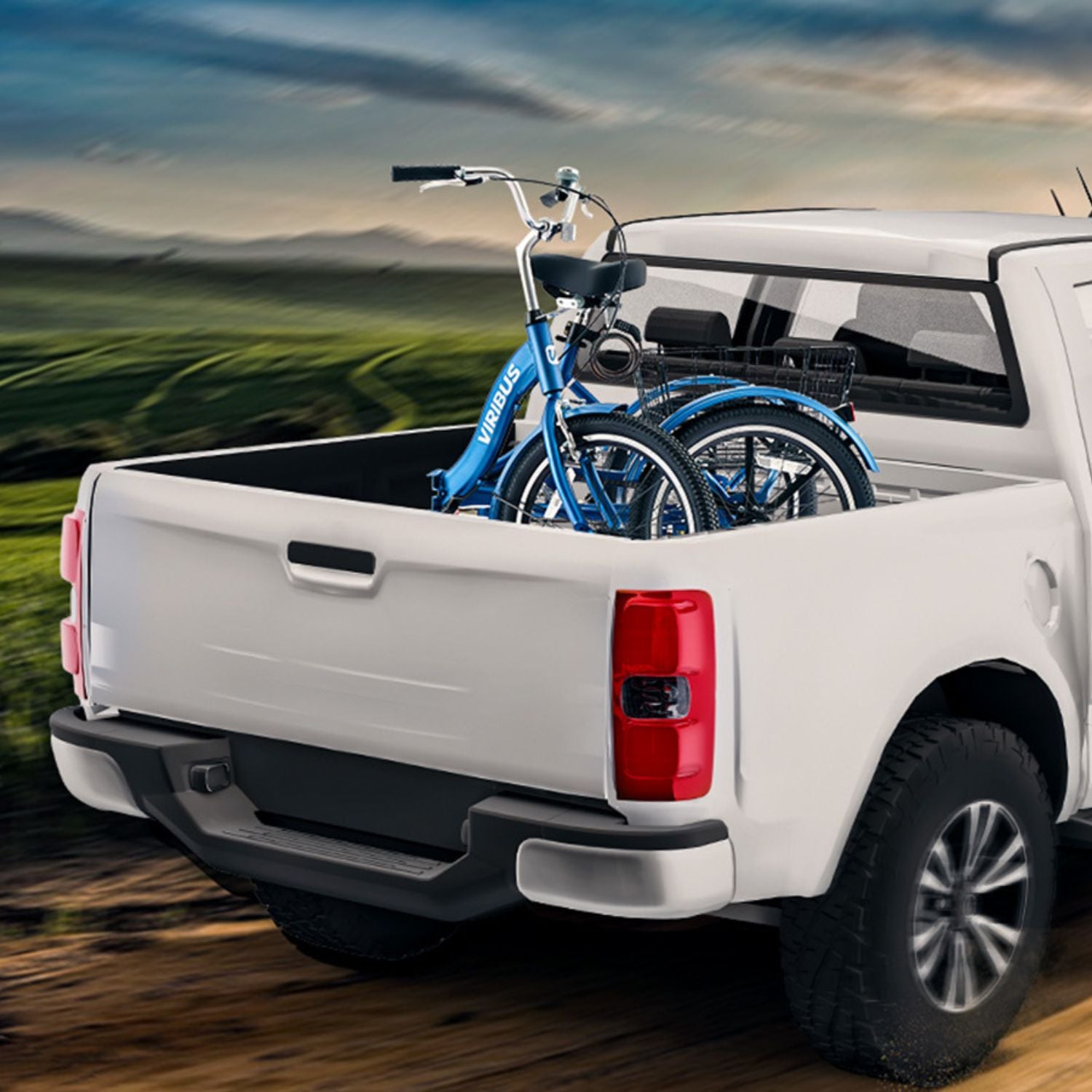
Although adult tricycles offer excellent stability, they do have a few drawbacks. They are typically heavier and wider than traditional bicycles, making them more difficult to transport and store.
Their wider turning radius means riders need to slow down for corners, and they generally cannot match the speed or agility of two-wheeled bikes. On steep hills, the additional weight may also require more pedaling effort unless the trike has multiple gears or electric pedal assistance.
Can you ride an adult tricycle on the sidewalk?
Whether you can ride an adult tricycle on the sidewalk depends on your local laws and regulations. In many areas, adult tricycles are treated similarly to bicycles, meaning they are expected to use bike lanes or roads rather than sidewalks, especially in busy urban environments. Some communities allow sidewalk riding in certain situations, while others prohibit it entirely. Before riding, check your local traffic laws, and whenever possible, use designated bike lanes or shared-use paths to ensure a safe and legal ride.




![Are Electric Bikes UL Certified? [How to Verify]](http://viribusbikes.com/cdn/shop/articles/EDM_1.jpg?v=1787630110&width=1500)


Leave a comment
All comments are moderated before being published.
This site is protected by hCaptcha and the hCaptcha Privacy Policy and Terms of Service apply.