













Electric bikes are engineered to enhance riding efficiency by providing smooth motor assistance while remaining safe and compliant with road regulations. A central component behind this balance is the speed limiter, which restricts motor assistance once a specific speed threshold is reached.
While this safety mechanism protects both the rider and internal electronics, many e-bike owners look for ways to increase top speeds for faster commutes or a more dynamic ride. However, bypassing a speed limiter involves technical modifications, as well as critical legal and safety trade-offs every rider must carefully evaluate.
What Is a Speed Limiter on an Electric Bike?

A speed limiter is a built-in safety and regulatory control mechanism on an electric bike. It caps the maximum speed at which the motor provides active power assist. Once your bike reaches its pre-programmed threshold, the motor gradually scales down or completely cuts off power, keeping the ride controlled and within legal limits.
The system is governed by the controller—an onboard microprocessor connecting the motor, battery, and sensors. By monitoring wheel rotation speed in real time, the controller dynamically adjusts power delivery whenever speed limits are approached.
Where Is the Speed Limiter Located?
1. Software-Based Speed Limiters

Software limiters are integrated directly into the firmware of the bike’s controller or handlebar display unit. They continuously evaluate sensor inputs and automatically regulate output when reaching maximum allowed speeds. These limiters are adjusted digitally via the display menu, a smartphone app, or dealer service software.
2. Hardware-Based Speed Limiters

Hardware limiters rely on physical sensors to track movement—either a wheel hub sensor (mounted on the wheel spokes/frame) or an internal motor sensor. They send physical pulse signals to the controller. Adjusting these usually requires manual access to wiring harnesses or component swapping.
How to Remove or Bypass an E-Bike Speed Limiter

Riders utilize several common methods to unlock higher assisted speeds on their electric bikes. While effective, keep in mind that modifying these settings introduces trade-offs regarding component durability and safety.
Method 1: Adjusting Display Controller Settings
The simplest method involves accessing hidden parameters inside the LCD display menu. Press and hold the "+" and "–" buttons simultaneously for a few seconds to enter configuration mode, then navigate to the speed limit parameter (frequently labeled as P08).
| Display Model | Speed Limit Parameter Location |
|---|---|
| SW900 Display | P08 |
| Bafang Basic LCD | P08 or Speed Settings Sub-menu |
| King-Meter Display | Speed Limit Parameter |
| KT LCD Display | C4 / C5 Parameter Settings |
Depending on your firmware, this parameter may also be labeled as:
- SPD / SPEED
- LS (Limit Speed)
- MAX SPEED
Increasing this value allows higher motor cut-off thresholds. Save your changes and reboot the display unit for new settings to take effect.

Method 2: Unplugging the Limiter Wire
Many standalone controllers feature a dedicated speed restrictor loop—often a single white, blue, or gray wire plugging back into the controller box. Unplugging this connector opens the restriction loop and disables the factory speed limit. (Note: Unplugging connectors is safer and fully reversible compared to cutting wires).
Method 3: Repositioning the Speed Sensor
By moving the wheel sensor and spoke magnet (e.g., attaching the magnet to the pedal crank arm), the sensor sends fewer rotation pulses per revolution. The controller reads this as a lower speed, allowing the motor to continue assisting well beyond the actual limit. Drawback: Your speedometer will no longer display accurate speed readings.

Method 4: Installing an E-Bike Tuning Kit
Aftermarket tuning chips install inline between the speed sensor and controller. These modules alter speed signals sent to the computer, allowing full motor power while preserving accurate speedometer displays on companion apps or screens.
Electric Bike Speed Limiter Removal Costs
Unlocking an e-bike's speed limit typically costs between $0 and $200:
- DIY Display / Wire Adjustments: $0
- Plug-and-Play Tuning Kits: $50 – $200
- Replacement Controller Upgrades: $100 – $300
- Professional Shop Labor: $50 – $150
Risks of Removing an E-Bike Speed Limiter
⚠️ Important Risk Disclosure
Increasing your speed limit affects hardware stress, braking distances, battery life, and legal road compliance.
1. Legal & Regulatory Classifications
Bypassing limits can reclassify your e-bike into a moped or motor vehicle under local regulations:
- Class 1: Pedal-assist up to 20 mph.
- Class 2 E-Bikes: Throttle-assist up to 20 mph.
- Class 3: Pedal-assist up to 28 mph.
Modifying speeds past these legal limits may ban your e-bike from public bike paths or require registration, licensing, and insurance. Review regional laws before modifying your bike:
- Class 1 or Class 2 E-Bike: Which Should You Choose?
- Where Can You Ride Class 3 E-Bikes?
- Are Electric Bikes Street Legal?
- State Guides: Ohio | Texas | Michigan | Arizona | Massachusetts
2. Motor & Battery Overheating
Sustained high speeds demand continuous maximum current output. This generates excess heat in motor windings and controllers, accelerating wear and shortening total electrical system lifespan.
3. Reduced Range & Faster Battery Drain
Aerodynamic drag increases exponentially with speed. Riding constantly near maximum power draws heavy current, causing faster battery percentage drain and reducing total range per charge.
4. Accelerated Brake & Tire Wear
Higher kinetic energy increases stopping distances. Factory brake pads, rotors, and tire treads wear down noticeably faster when stopping from higher speeds.
Safer Ways to Improve E-Bike Performance

Instead of bypassing safety controls, consider these legal and effective performance enhancements:
- Keep Tires Properly Inflated: Inflating tires to optimal PSI reduces rolling resistance, letting you coast faster with less motor strain.
- Upgrade Battery Capacity: Higher quality cells minimize voltage drop during heavy acceleration. Check our Electric Bike Range Chart for capacity insights.
- Maintain Drivetrain Cleanliness: A clean, lubricated chain and tuned gear derailleur reduce mechanical friction losses.
- Optimize Cadence & Gear Shifting: Downshifting on inclines keeps the motor in its most efficient power band.
- Switch to a Factory Class 3 E-Bike: Choosing a compliant Class 3 bike provides built-in 28 mph assist while retaining full warranty coverage and safety reliability.
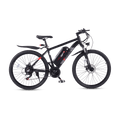
Viribus Panther Electric Mountain Bike
Frequently Asked Questions
How do I tell if my e-bike has a speed limiter?
Elevate the drive wheel off the ground and apply full throttle while observing the speedometer. If motor assistance abruptly stops at exact round numbers like 20 mph or 28 mph, your bike is equipped with a factory speed restriction.
What color is the speed limiter wire on an electric bike?
Limiter wires are typically single white, blue, or gray wires that form a small loop plugging back into the controller box. Color coding varies across manufacturers, so always consult your controller's schematic diagram first.
How do I remove a speed limiter on an e-bike without a display?
Options include disconnecting the controller's limiter wire loop, using a specific startup brake-and-throttle button sequence, or installing an inline aftermarket tuning module.
Is it illegal to remove an e-bike speed limiter?
In many regions, modifying an e-bike to exceed legal assisted speed thresholds reclassifies it as a moped or motor vehicle. This restricts its use on public bike paths and may legally require licensing, registration, and insurance.
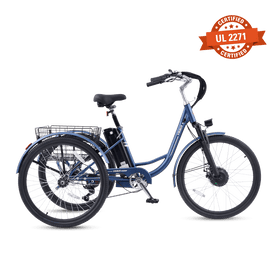
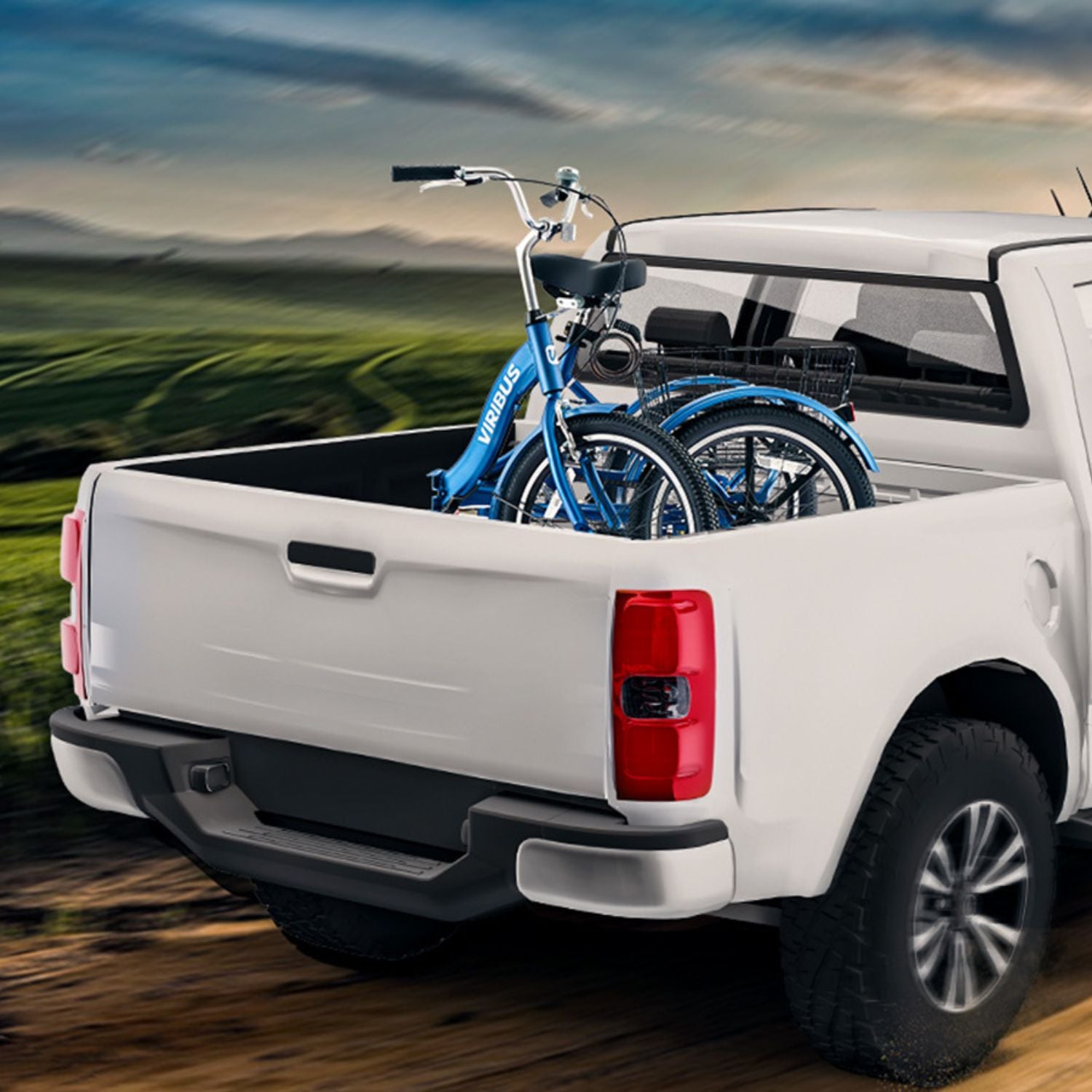
Looking for Maximum Stability & Effortless Power?
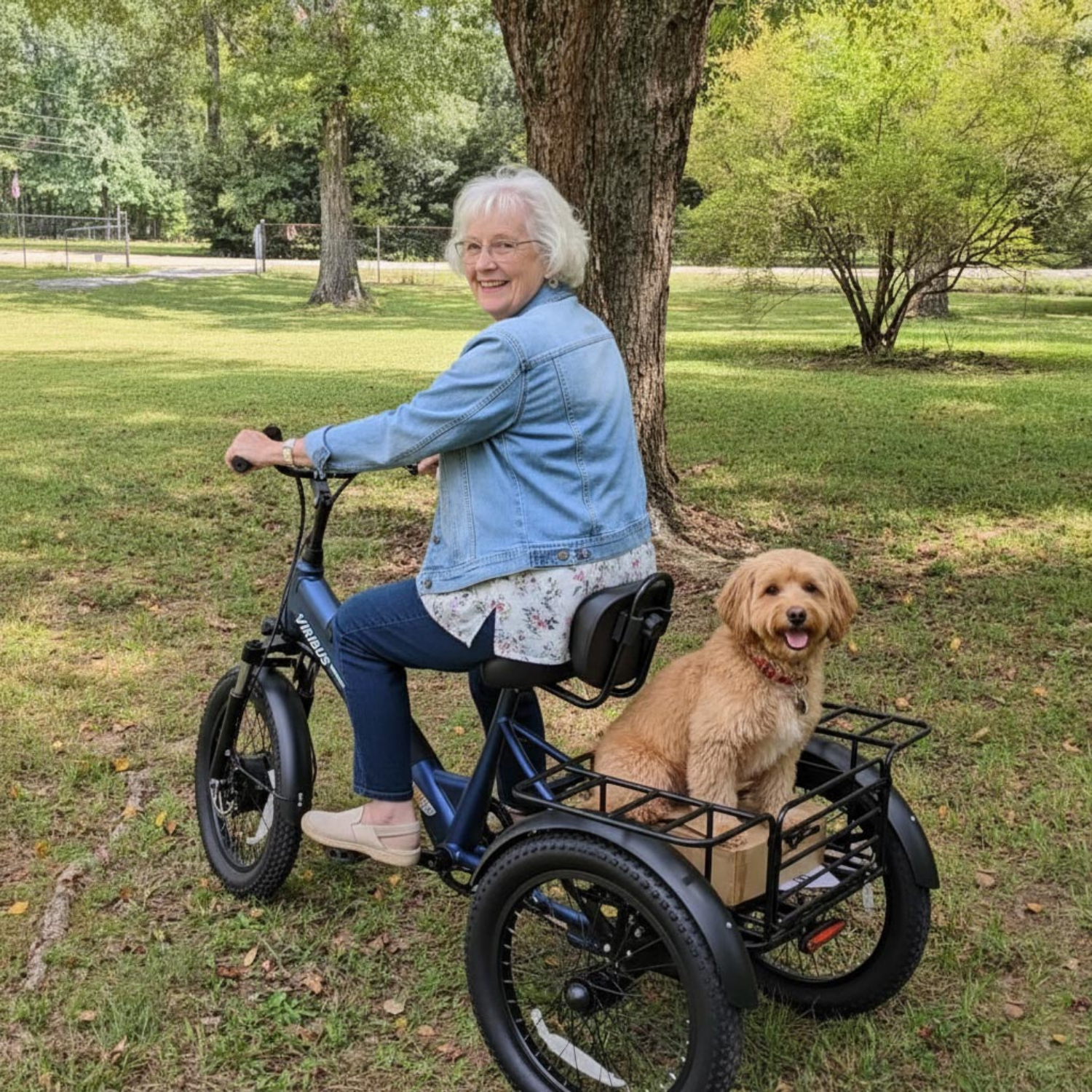
If you prefer a balanced, stable, and comfortable ride without worrying about high-speed strain or complex modifications, a three-wheeled e-bike might be your ideal solution.












Leave a comment
All comments are moderated before being published.
This site is protected by hCaptcha and the hCaptcha Privacy Policy and Terms of Service apply.