













Electric bikes have transformed the way people commute and ride, offering a faster and more efficient alternative to traditional bicycles. One of the most common questions riders ask is: how fast can an electric bike go? The answer depends on several factors, including the bike’s class, motor power, and riding conditions.
Electric Bike Top Speed by Classes
In the United States, electric bikes are commonly categorized into three main classes. Each class has specific rules regarding motor assistance, throttle control, and maximum assisted speed. Understanding these differences is essential for choosing the right e-bike for commuting, recreation, or off-road riding.
Electric Bike Max Speed and Range Chart
|
Class |
Assist Type |
Max Speed |
Throttle |
Typical Range |
|
Class 1 |
Pedal assist only |
20 mph |
No |
40–70 miles |
|
Class 2 |
Pedal assist + throttle |
20 mph |
Yes |
25–60 miles |
|
Class 3 |
Pedal assist only |
28 mph |
No |
45–70 miles |
Class 1 E-Bikes (Pedal Assist Only – 20 mph Max Speed)
Class 1 e-bikes are the most widely accepted type across bike lanes, trails, and urban areas in the US.
These bikes provide motor assistance only when the rider is actively pedaling, meaning the motor does not work on its own. Once the bike reaches 20 mph (32 km/h), the motor assistance gradually cuts off and will only reactivate when the speed drops below the limit.
Key Features:
Pedal-assist only (no throttle)
Maximum assisted speed: 20 mph
Motor stops assisting above 20 mph
Most widely trail- and city-accessible class
Range:
A typical Class 1 e-bike can achieve around 40–70 miles per charge, with an average of about 50 miles, depending on:
Rider weight
Terrain (flat vs hilly)
Assistance level used
Battery capacity
Class 2 E-Bikes (Throttle + Pedal Assist – 20 mph Max Speed)
Class 2 e-bikes are similar to Class 1 in terms of speed limits but offer an added feature: a throttle mode.
This means the rider can use the motor without pedaling, similar to a scooter. However, like Class 1, the motor assistance cuts off once the bike reaches 20 mph.
Key Features:
Throttle-assisted riding (no pedaling required)
Pedal assist also available
Maximum assisted speed: 20 mph
More “motorcycle-like” feel at low speeds
Range:
Class 2 e-bikes typically offer around 25–60 miles per charge, with an average near 40–50 miles, depending on usage.
(Note: throttle-only riding drains the battery faster than pedal assist.)
Class 3 E-Bikes (Speed Pedelec – 28 mph Max Speed)
Class 3 e-bikes are the fastest category legally recognized in most US states. They are designed for commuters who want higher speeds and faster travel times.
Unlike Class 2, Class 3 e-bikes are pedal-assist only (no throttle in most regulations). The motor provides support until the bike reaches 28 mph (45 km/h), after which assistance stops.
Key Features:
Pedal assist only (no throttle in most cases)
Maximum assisted speed: 28 mph
Requires a built-in speedometer
Designed for commuting and road use
Range:
Class 3 e-bikes usually provide a slightly higher range, around 45–70 miles per charge, with an average close to 60 miles, depending on:
Higher speed usage (which consumes more energy)
Terrain and wind resistance
Battery size and motor efficiency
Electric Bike Range Chart: How Far E-Bikes Can Go on One Charge
Important Notes on US E-Bike Speed Laws
- E-bike classification rules are widely used across the US, but individual states may have additional restrictions.
- Class 3 e-bikes are often restricted from certain bike paths or multi-use trails.
- Safety gear such as helmets is mandatory in many states for Class 3 riders, especially for younger users.
- Real-world speed and range can vary significantly depending on riding style and conditions.
Electric Bike Average Speed
Ebikes typically have an average speed of 24–32 km/h (15–20 mph). This range represents the most common cruising speed for everyday commuting, leisure rides, and mixed urban cycling conditions.
In most cases, e-bikes are designed with speed assistance limits that vary by region:
- In Europe, motor assistance usually cuts off at 25 km/h (15.5 mph) due to regulatory limits.
- In the United States, standard e-bikes can assist up to 32 km/h (20 mph) for Class 1 and Class 2 models.
- Class 3 e-bikes in the US extend this limit, providing pedal assistance up to 45 km/h (28 mph).
However, it’s important to note that these limits refer to motor assistance only. Riders can still exceed these speeds by pedaling harder, especially on flat terrain or downhill sections, where speeds can easily go beyond the assisted cutoff.
Single Speed vs. Multi-Speed Electric bike
When choosing an e-bike, one important decision is whether to go with a single-speed or multi-speed drivetrain. While both types use an electric motor for assistance, the gearing system affects how the bike performs in different terrain, how efficient it is, and how much maintenance it requires.
What Is a Single-Speed E-Bike?
A single-speed e-bike uses only one fixed gear ratio between the pedals and the rear wheel. This means there are no gear shifters, derailleurs, or cassette systems.
Because of this simple design, power delivery is straightforward and consistent, but the rider must rely more on motor assistance or pedaling effort when conditions change (such as hills or headwinds).
|
Pros |
Cons |
|
Very low maintenance (fewer moving parts) |
Less efficient on hills or steep terrain |
|
Lightweight and simple to use |
Limited pedaling comfort at different speeds |
|
Lower cost in most cases |
Can feel restrictive on varied routes |
|
Reliable for flat city commuting |
What Is a Multi-Speed E-Bike?
A multi-speed e-bike uses multiple gears (commonly 7–12 speeds via a derailleur or internal hub). This allows riders to adjust gear ratios depending on terrain and speed.
Multi-speed systems let both the rider and motor operate more efficiently by keeping cadence and torque in an optimal range across different conditions.
|
Pros |
Cons |
|
Easier climbing on hills (lower gears) |
More maintenance (chain, derailleur, cassette wear) |
|
More efficient battery usage |
Slightly higher cost |
|
Better speed control and smoother riding |
More components that can require adjustment |
|
Ideal for mixed terrain and longer rides |
Electric Bike vs Regular Bike Speed
Electric bikes are typically faster and more consistent than traditional bicycles because they use a motor to assist pedaling, helping riders maintain higher speeds with less physical effort.
On average, most e-bikes reach about 15–28 mph (24–45 km/h) with pedal assist. In contrast, riders on regular bicycles usually average around 10–15 mph (16–24 km/h), depending on fitness level, terrain, and riding conditions.
Key Factors That Affect Electric Bike Top Speed
An electric bike’s top speed is not controlled by a single factor. Instead, it is the result of how the motor system, battery output, and real-world riding conditions work together. Even two e-bikes with similar specifications can perform differently depending on how efficiently these elements combine.
Motor Power
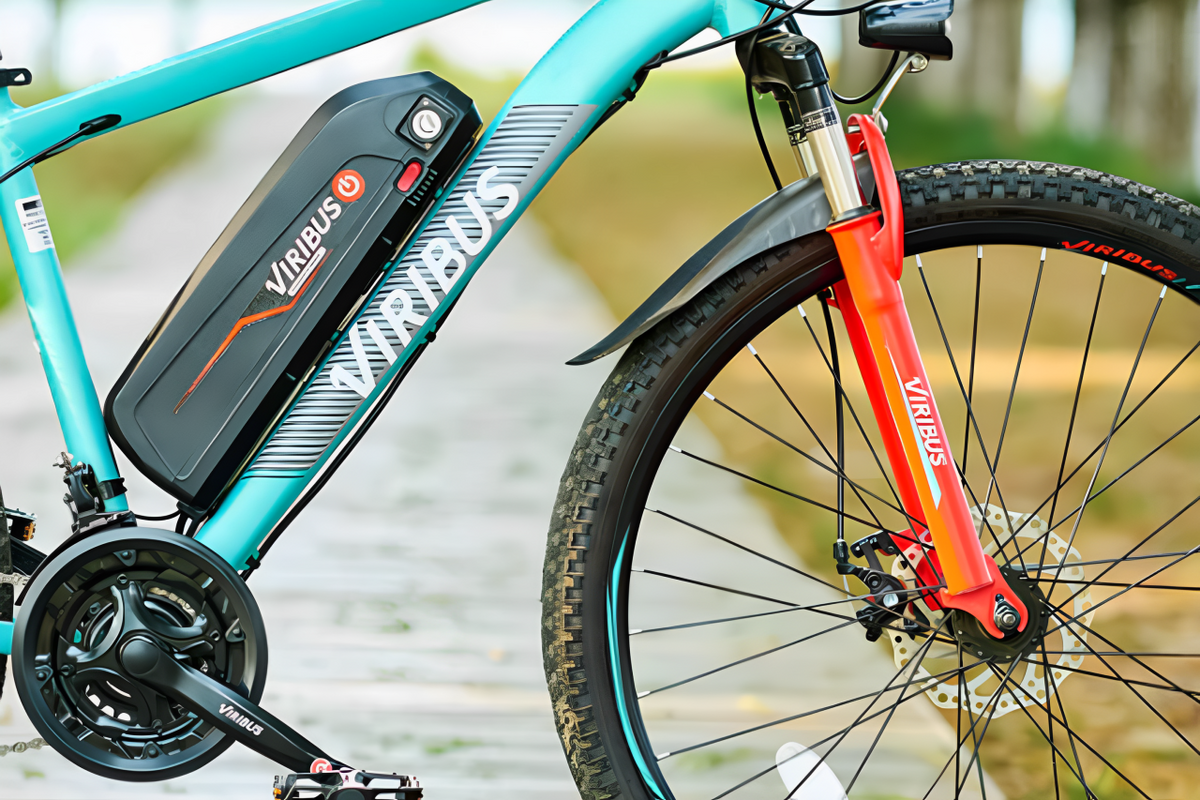
Motor power, measured in watts (W), is one of the key factors influencing an e-bike’s speed and acceleration. In general, higher wattage motors can produce more torque, allowing the bike to reach and maintain higher speeds more easily, especially under load or on inclines.
|
Motor Power |
E-Bike Class |
Speed Capability |
Key Notes |
|
250W – 500W |
Class 1 & Class 2 |
Up to 20 mph (32 km/h) |
Common for commuting and basic riding; motor assists up to 20 mph |
|
750W+ |
Class 3 (and some off-road or mountain ebike) |
Up to 28 mph (45 km/h) with pedal assist |
Stronger acceleration and hill-climbing power; higher performance |
|
Higher wattage (general) |
Varies by regulation |
Potential for higher speed but often legally limited |
More torque for hills, cargo, and heavy riders; speed capped by law in many areas |
Battery Voltage
Battery voltage plays an important role in determining how much power the motor can consistently deliver. Higher voltage systems generally allow for stronger performance, improved efficiency, and better speed maintenance under demanding conditions.
|
Battery Voltage |
Typical Use |
Performance |
Key Benefits |
|
36V |
Budget and everyday commuter e-bikes |
Steady but moderate power output |
Reliable, affordable, good for flat terrain and casual riding |
|
48V |
Mid-range and performance commuter e-bikes |
Stronger power and acceleration |
Better hill climbing, quicker starts, improved overall responsiveness |
|
52V |
High-performance e-bikes |
High power output with strong acceleration |
Excellent climbing ability, strong boost, better sustained performance under load |
Your Ebike Battery is Draining Too Quickly? 6 Reasons
Rider and Cargo Weight
Heavier riders or additional cargo increase the load on the motor, which can reduce acceleration and overall speed performance.
Sensor (Torque vs Cadence)
The sensor system in an electric bike plays an important role in how quickly and smoothly the motor responds, which directly affects real-world acceleration and perceived top speed.
Torque sensors measure how hard the rider is pedaling and respond instantly by delivering proportional motor assistance. This creates a more natural riding experience with smoother power delivery and significantly better acceleration, especially when starting from a stop or climbing hills.
In contrast, cadence sensors detect whether the rider is pedaling rather than how much force is being applied. As a result, the motor engagement can feel slightly delayed or less responsive, leading to a more noticeable “lag” during takeoff and slower initial acceleration compared to torque-based systems.
Bike Weight
A heavier e-bike frame requires more energy to move, which can slightly affect responsiveness and maximum achievable speed.
Terrain
Flat roads allow e-bikes to reach their full speed potential, while hills and uneven terrain reduce speed and require more motor effort. Off-road surfaces further limit speed due to increased resistance and reduced efficiency.
Weather
Wind, rain, and temperature all influence performance. Headwinds can significantly reduce speed, while tailwinds may increase it. Cold weather can also reduce battery efficiency and overall output.
Tire
Tires affect rolling resistance and traction. Underinflated tires create more friction and reduce speed, while properly inflated road tires improve efficiency. Off-road tires provide better grip but typically reduce speed on paved surfaces.
How to Make Your E-Bike Faster
Improving your e-bike’s speed isn’t just about raw power—it’s about optimizing how efficiently your bike performs in real-world conditions. Here are the most effective ways to ride faster while staying safe and within legal limits.
1. Change Pedal-assist Mode
If your e-bike supports multiple assist levels or Class 3 settings, enabling the highest legal pedal-assist mode can significantly increase your maximum assisted speed. Class 3 e-bikes allow pedal assistance up to 28 mph (45 km/h), making them ideal for faster commuting. Always check your bike’s settings and local regulations before switching modes.
2. Keep Your Tires Properly Inflated
Tire pressure has a direct impact on speed. Underinflated tires create more rolling resistance, which slows you down and reduces efficiency. Keeping your tires inflated to the recommended PSI helps your e-bike roll more smoothly, improving both speed and battery performance—especially on paved roads.
3. Reduce Total Weight
Extra weight—whether from cargo, accessories, or even a heavy backpack—can reduce acceleration and top speed. By minimizing unnecessary load, your motor can operate more efficiently, allowing you to reach and maintain higher speeds more easily, particularly on hills.
4. Keep Your Bike Clean
A clean and well-lubricated drivetrain (chain, cassette, and gears) reduces friction and improves power transfer. Dirt and grime can slow down your bike and make pedaling less efficient. Regular maintenance ensures smoother riding, better acceleration, and optimal speed performance.
5. Use Torque Sensor Mode
If your e-bike offers both cadence and torque sensor modes, switching to a torque sensor can improve acceleration and responsiveness. Torque sensors deliver power based on how hard you pedal, providing quicker takeoff and a more natural, efficient boost—helping you maintain higher speeds more consistently.
6. Electric Bike Speed Limiter Removal
Some riders consider removing the speed limiter to increase top speed, but this comes with significant drawbacks. Modifying or bypassing speed limits can make your e-bike illegal to use on public roads, void warranties, and increase safety risks due to higher stress on components like brakes, tires, and the motor.
how to remove speed limiter on electric bike
Conclusion
Electric bike speed is influenced by a combination of design, legal limits, and real-world conditions. While most e-bikes are capped at 20–28 mph (32–45 km/h), their ability to maintain consistent speeds with less effort makes them a powerful alternative to regular bikes. By understanding how different classes, components, and riding conditions affect performance, you can get the most out of your e-bike experience. Ultimately, the right balance of speed, safety, and efficiency will ensure a smoother and more enjoyable ride.







Leave a comment
All comments are moderated before being published.
This site is protected by hCaptcha and the hCaptcha Privacy Policy and Terms of Service apply.