


CONGRATULATIONS
YOU FOUND ME
You have received:
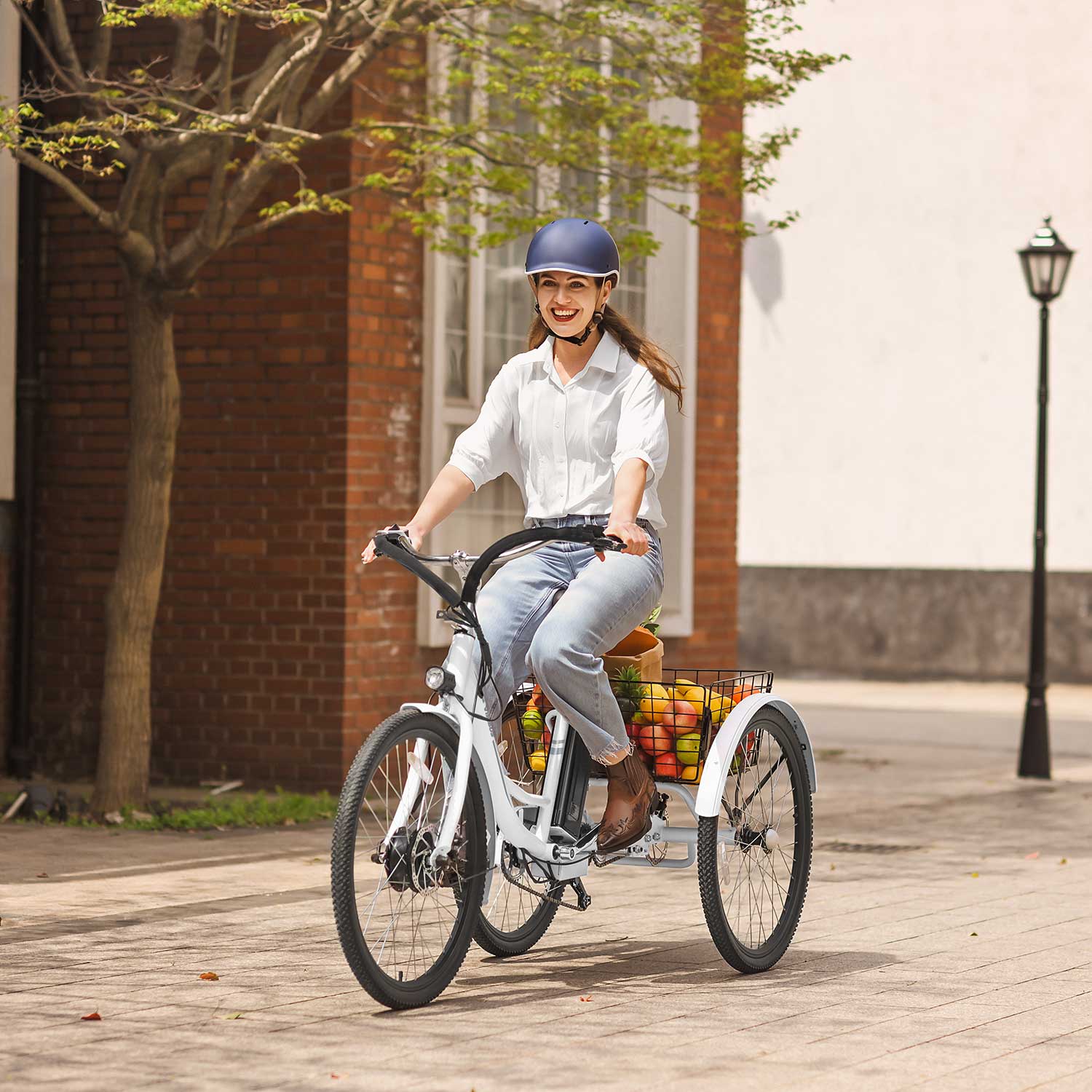
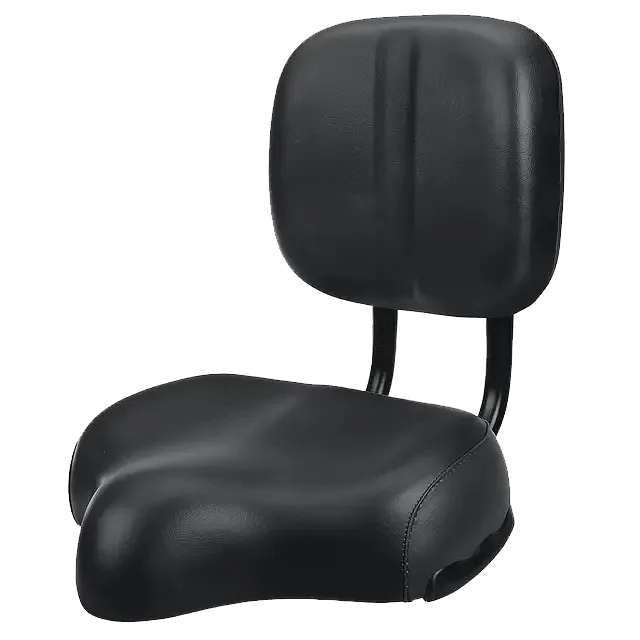
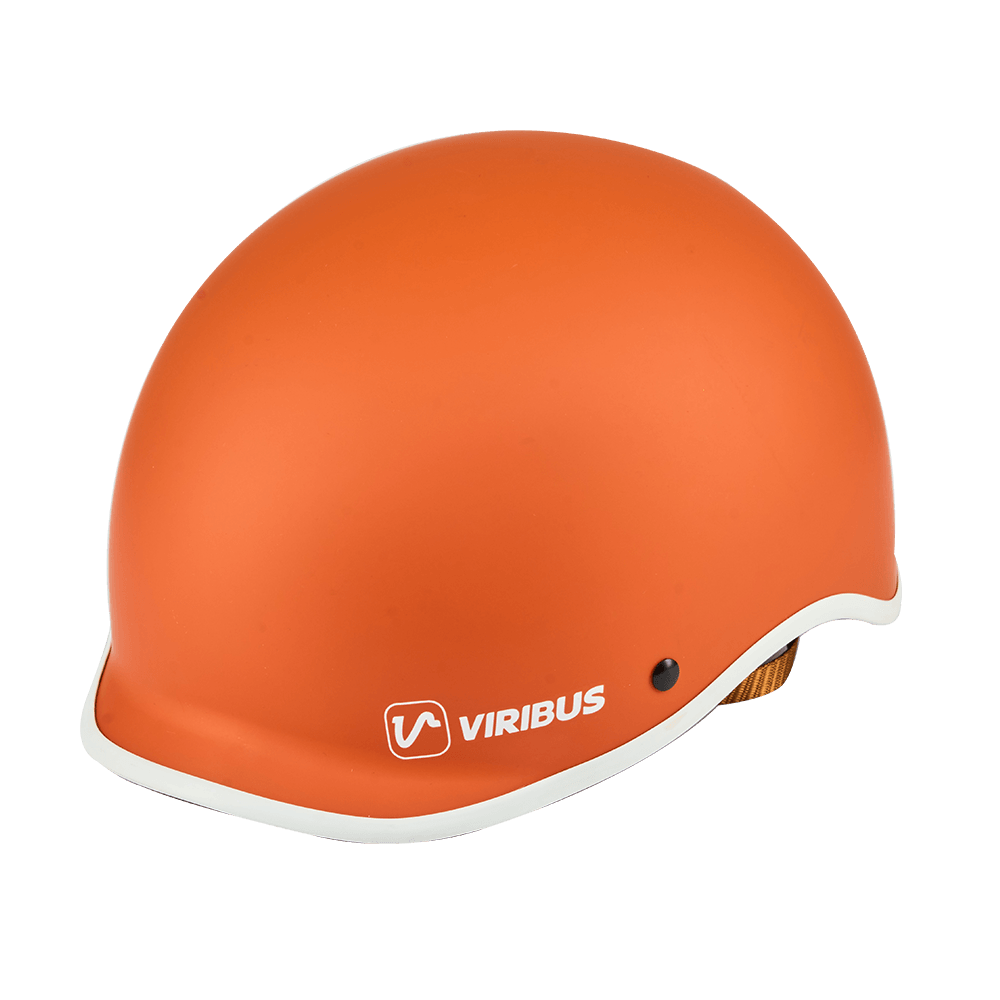
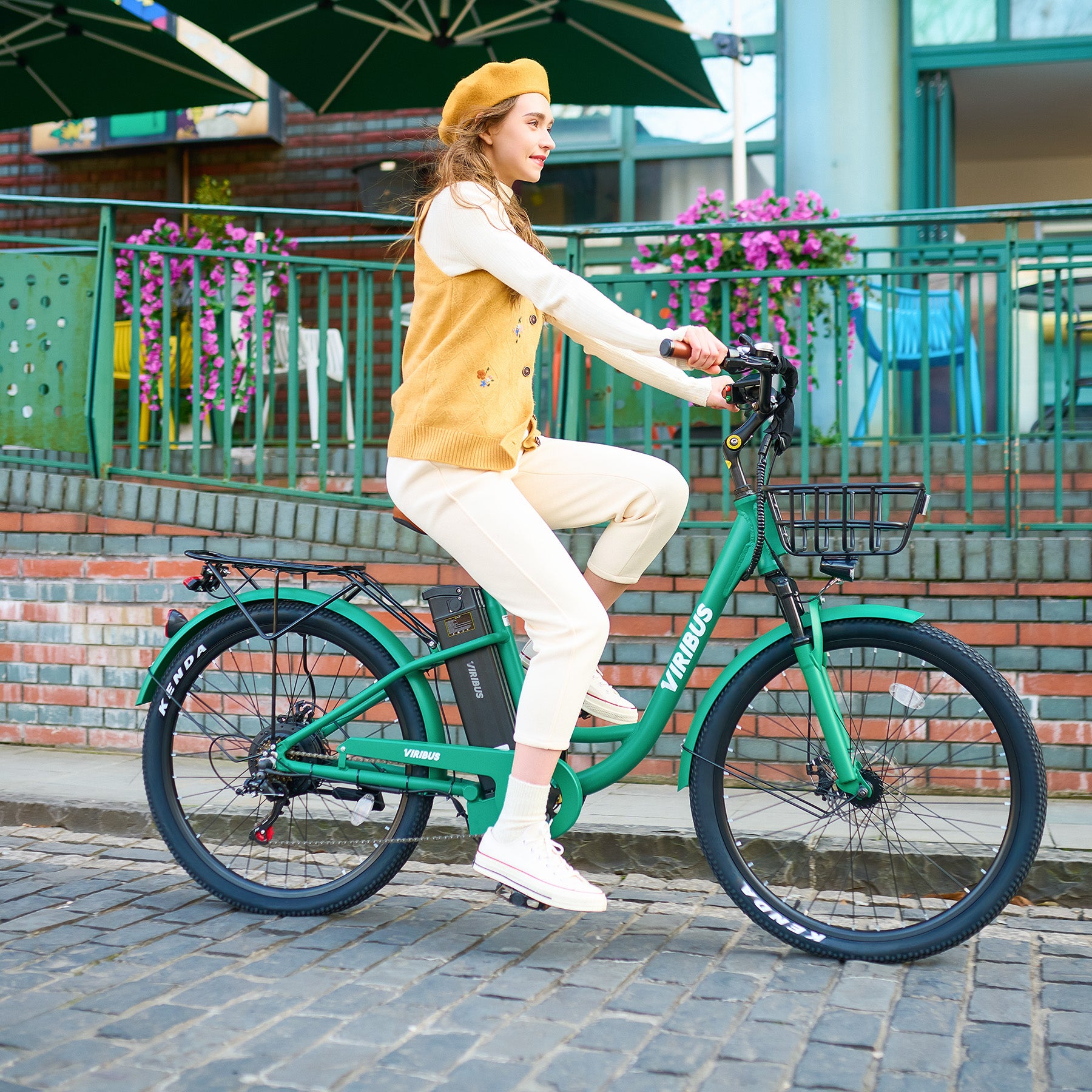
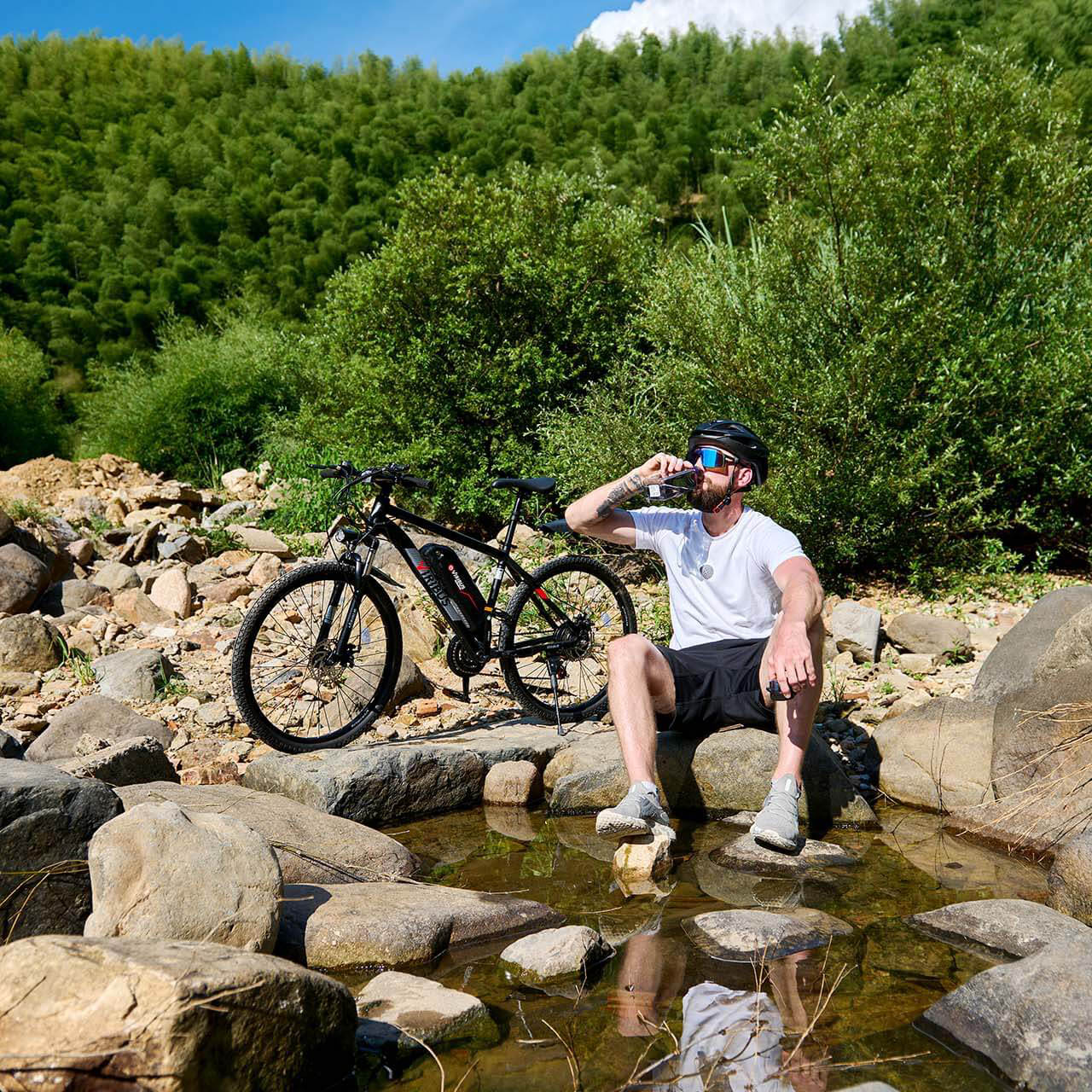
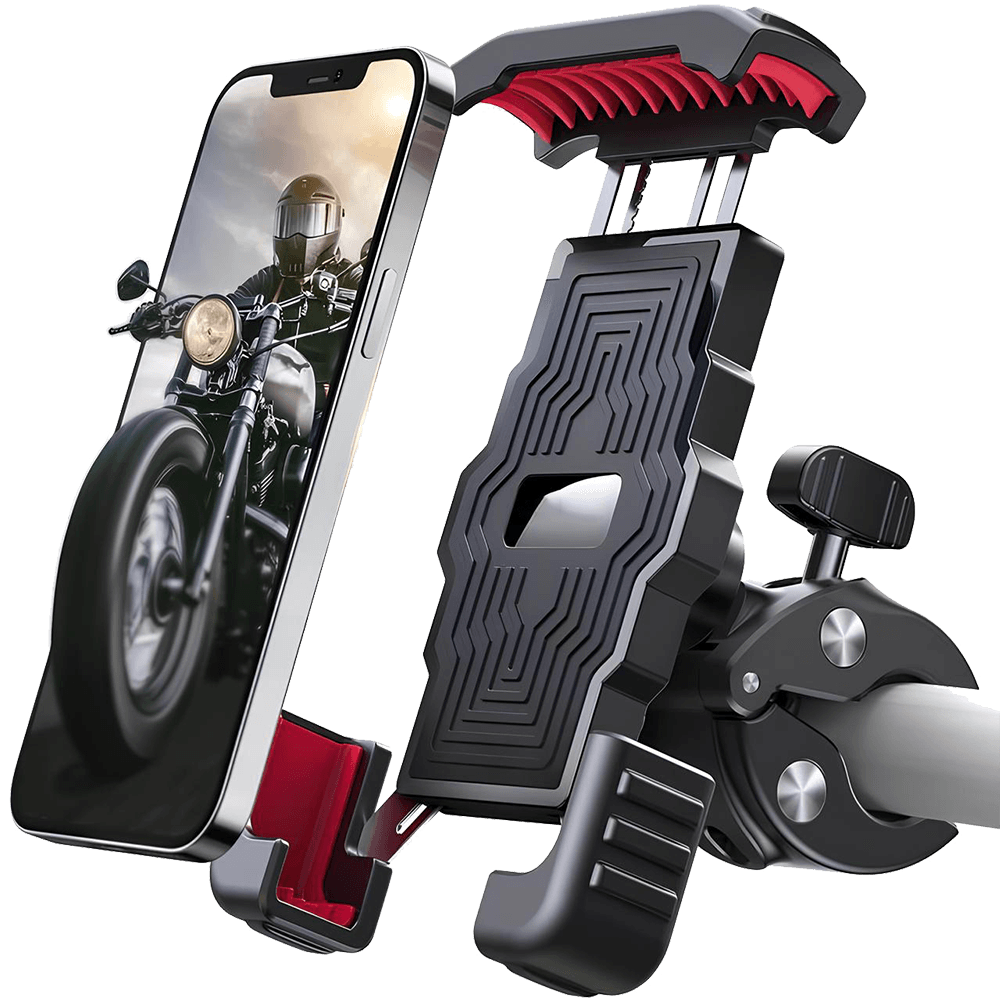
Phone holder - 1 pc / Helmet - 1 pc / Bike Rear Mirror- 1 pair
Total retail value: $108
Please add the above products together with your fav tricycles / bikes to your cart, and enter the code at checkout to redeem the accessories for free.
CODE: HALLOWEEN
Copy Success
Contents
  • Average Electric Bike Range Chart by Battery
  • Viribus BZ1 vs. Viribus Panther Electric Bike Range and Speed
  • Factors That Impact Electric Bike Range
  • How to Maximize Your E-bike Range
  • How Is Electric Bike Range Measured?
  • FAQs
Contents
  • Average Electric Bike Range Chart by Battery
  • Viribus BZ1 vs. Viribus Panther Electric Bike Range and Speed
  • Factors That Impact Electric Bike Range
  • How to Maximize Your E-bike Range
  • How Is Electric Bike Range Measured?
  • FAQs

Electric Bike Range Chart: How Far E-Bikes Can Go on One Charge

Electric bikes have become an increasingly popular choice for commuting, recreation, and outdoor adventures thanks to their convenience and efficiency. One of the most important aspects that riders consider when choosing an e-bike is its range—how far it can travel on a single charge.

Electric bike range plays a key role in determining whether a bike is suitable for short city trips, daily commuting, or long-distance rides. It is influenced by several factors, including battery capacity, motor power, terrain, rider weight, and riding style. Because of these variables, understanding e-bike range helps riders set realistic expectations and choose the right model for their needs.

Average Electric Bike Range Chart by Battery

Electric bike range varies from 15 miles to 120+ miles significantly depending on battery size.  Small batteries (250Wh–400Wh) typically deliver around 15 to 50 miles of range under normal riding conditions, making them suitable for short commutes and light use. Medium batteries (500Wh–700Wh) generally provide about 40 to 70 miles and are ideal for most everyday riders, offering a balance of distance and efficiency. Large batteries (750Wh+) can extend range up to 120 miles or more, making them the best choice for long-distance riding, touring, and demanding terrain where maximum endurance is needed.

Battery Size

Typical Capacity

Expected Range (Miles)

Expected Range (Km)

Uses

Small Batteries

250Wh – 400Wh

15 – 50 miles

25 – 80 km

Best for short city commutes, lightweight setups, and flat terrain.

Medium Batteries

500Wh – 700Wh

40 – 70 miles

65 – 110 km

Most common category for commuter and hybrid e-bikes.

Large Batteries

750Wh+

Up to 120+ miles

Up to 190+ km

Designed for long-distance riding, touring, and heavy-duty use.

However, real-world range will always vary depending on factors such as rider weight, terrain, speed, assist level, and weather conditions. In practice, efficient riding habits can significantly extend the distance you get from any battery size. Choosing the right battery should therefore be based not only on maximum range, but also on your typical riding style and environment.

Viribus BZ1 vs. Viribus Panther Electric Bike Range and Speed

Image

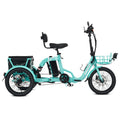
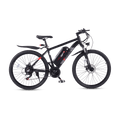
Viribus_BZ1_Electric_Bike Viribus Panther Mountain Electric Bike for Sale Black e mountain bike

Feature

BZ1 Step-Thru

Panther MTB

Battery

624Wh

~499Wh

Motor Power

500W (1000W peak)

350W

Top Speed

20 mph

20 Mph with throttle, 24 mph (PAS)

PAS Range

Up to 45 miles

20–40 miles

Throttle Range

25 miles

Not specified

Best For

Commuting, cargo, comfort

Off-road, mountain ebike, fitness, light trails


Factors That Impact Electric Bike Range

Electric bike range is not determined by a single element, but by a combination of rider habits, environmental conditions, and hardware specifications. Below is a deeper breakdown of each key factor and how it influences real-world battery performance.

Battery

Different lithium-ion configurations and chemistries vary in energy density, discharge rate, and efficiency. High-quality battery cells maintain stable voltage output over longer periods, improving real-world range consistency.

  • Battery capacity (Wh or Ah rating)

Battery capacity determines how much total energy is stored, directly influencing potential riding distance. A 500Wh battery will generally offer significantly less range than a 750Wh or 1000Wh system under identical conditions. 

However, real-world range depends not only on capacity but also on riding efficiency and terrain. Larger batteries provide more buffer for demanding conditions like hills or heavy loads.

  • Battery age and condition

All rechargeable batteries degrade over time due to charge cycles and chemical wear. As a battery ages, its ability to hold a full charge decreases, leading to reduced maximum range. 

Poor charging habits, frequent deep discharges, and exposure to extreme temperatures accelerate this degradation. Even with proper care, most batteries will gradually lose noticeable capacity after a few years of regular use.

Read More:

How Long Does an Ebike Battery Last?

Your Ebike Battery is Draining Too Quickly? 6 Reasons

Total Weight (rider + gear)

The combined weight of the rider, backpack, cargo, and accessories directly affects how much power the motor must produce. Heavier loads require more torque, especially during acceleration and hill climbing, which increases energy consumption significantly. 

Even small additions like water bottles, panniers, or camping gear can reduce total range over long rides. In stop-and-go traffic or hilly terrain, the impact of weight becomes even more noticeable because the motor repeatedly works harder to regain speed.

Average riding speed

Speed is one of the biggest determinants of battery drain because air resistance increases exponentially as speed rises. Riding at higher speeds forces the motor to work continuously at a higher output level, which rapidly reduces range. 

For example, riding at 25 km/h uses significantly less energy than pushing 35 km/h over the same distance. Maintaining a steady, moderate pace is generally more efficient than frequent speeding up and slowing down.

Riding position

Your body position affects aerodynamic drag, which plays a major role in energy consumption at higher speeds. 

An upright posture exposes more surface area to wind resistance, forcing the motor to compensate with extra power. 

A slightly forward-leaning position reduces drag and improves efficiency, especially on open roads. Over long distances, even small improvements in posture can noticeably extend range.

Tire pressure and tire type

Underinflated tires increase rolling resistance, meaning the motor must work harder to maintain momentum. This inefficiency leads to faster battery depletion and reduced riding range. 

Tire type also matters—knobby off-road tires create more friction compared to smooth road tires. While rugged tires improve grip and safety on rough terrain, they usually come at the cost of reduced efficiency on paved surfaces.

Terrain and hill grade

Flat terrain is the most energy-efficient condition for electric bikes because the motor only needs to maintain speed. Uphill climbs, however, dramatically increase power demand and can quickly drain the battery. 

Steeper gradients require sustained high torque, which significantly reduces range over short distances. On the other hand, downhill sections may reduce energy use or allow the motor to rest, improving overall efficiency.

Wind conditions

Wind resistance acts like invisible terrain that can either help or hinder your ride. Headwinds force the motor to push against additional resistance, which increases power consumption and reduces range. 

Tailwinds can reduce effort and extend battery life by assisting forward movement. Even moderate winds over long distances can have a cumulative impact on total range.

Outside temperature

Battery chemistry is highly sensitive to temperature changes, especially lithium-ion systems commonly used in e-bikes. Cold weather reduces chemical activity inside the battery, lowering both output power and usable capacity. 

Hot conditions can also stress the battery and reduce efficiency, though the effects are usually less immediate than cold. The optimal performance range is typically moderate temperatures around 15–25°C.

Pedal assistance and rider fitness

Higher levels of pedal assist draw more power from the battery because the motor contributes more effort to propulsion. Lower assist levels or active pedaling from the rider significantly reduce battery load and extend range. 

A fitter rider who contributes more power manually can dramatically increase total distance per charge. Efficient use of assist modes is one of the easiest ways to control energy consumption.

How to Maximize Your E-bike Range

Maximizing your e-bike range is not only about having a large battery—it’s also about how you ride, maintain your bike, and manage your battery. With the right habits, you can significantly extend every charge and improve overall riding efficiency.

Keep Your Tires Properly Inflated

Regularly check your tire pressure (PSI), ideally at least once a week, to ensure optimal performance. Underinflated tires increase rolling resistance, meaning the motor has to work harder to maintain speed, which drains the battery faster and reduces overall range. 

Properly inflated tires not only improve efficiency and extend riding distance but also enhance safety, handling, and ride comfort.

Efficient Use of Pedal Assist

Using pedal assist wisely is one of the most effective ways to extend your riding distance. Instead of relying on high assist levels all the time, try using the lowest comfortable setting for flat roads and reserve higher modes for hills or strong headwinds. This reduces unnecessary motor strain and conserves battery power.

Cadence also plays a key role in efficiency. Maintaining a steady pedaling rhythm of around 70–80 revolutions per minute helps the motor operate in its optimal efficiency range. Additionally, smooth acceleration is important—frequent starting and stopping consumes significantly more energy than steady cruising. Choosing the right gear from the start helps reduce sudden power spikes and improves overall efficiency.

Reduce Throttle Use

Relying heavily on full throttle significantly increases battery consumption because the motor is doing all the work without rider assistance. This leads to faster energy drain compared to using pedal assist modes. 

By combining light pedaling with lower assist levels instead of constant throttle, you can greatly improve efficiency and extend your e-bike’s range. Using throttle only when necessary—such as for quick acceleration or steep climbs—helps balance convenience with battery conservation.

Maintain Your E-Bike Regularly

Proper maintenance ensures that every component operates efficiently, reducing wasted energy. Keep your tires properly inflated, as underinflated tires increase rolling resistance and reduce range. Regularly clean and lubricate the chain, drivetrain, and moving parts to prevent friction-related energy loss.

Use Lower Assist Levels When Possible

Sticking to lower pedal assist settings on flat or easy terrain helps conserve battery power and significantly extends your riding range. Lower assist modes reduce motor output, encouraging more rider input and improving overall efficiency. 

Higher assist levels should be reserved for challenging situations such as steep hills, strong headwinds, or heavy loads where extra power is truly needed. By managing assist levels intelligently, you can balance performance and energy use for longer, more efficient rides.

Good Charging Practices

Good charging practices play a crucial role in preserving both battery health and long-term range. Always use the manufacturer-recommended charger to ensure stable and safe charging conditions. Avoid regularly charging the battery to 100% or letting it drop completely to 0%, as both extremes can accelerate battery degradation.

It is also best to charge and store your battery in moderate temperatures, avoiding excessive heat or freezing conditions. Keep the battery dry and protected from moisture, as water exposure can cause corrosion or permanent damage. Consistent, careful charging habits help maintain both performance and lifespan.

How Is Electric Bike Range Measured?

Electric bike range is typically measured using energy consumption metrics such as Wh/mi (watt-hours per mile) or Wh/km (watt-hours per kilometer), depending on the region. 

These units describe how much battery energy is used to travel a certain distance, making it easier to compare efficiency between different e-bike models and riding conditions.

What is Wh/mi?

Wh/mi (watt-hours per mile) is a common efficiency measurement used in electric vehicles, including e-bikes. It indicates how many watt-hours of battery energy are consumed to travel one mile. A lower Wh/mi value means the bike is more energy-efficient, allowing you to travel farther on the same battery charge.

For example, if an e-bike consumes 20 Wh/mi, it uses 20 watt-hours of energy to travel one mile. This metric helps riders estimate real-world range more accurately than relying only on battery capacity.

Why This Measurement Matters

Using Wh/mi or Wh/km provides a more realistic understanding of range than battery size alone (like Wh rating). Two e-bikes with the same battery capacity can have very different ranges depending on efficiency, terrain, speed, and riding style.

It also allows riders to estimate range more precisely. By dividing total battery capacity (Wh) by average consumption (Wh/mi or Wh/km), you can calculate an approximate riding distance under specific conditions.

FAQs

How Far Can an Electric Bike Go on One Full Charge

How far an electric bike can go on one charge depends mainly on battery size, motor efficiency, and riding conditions. In general, most e-bikes can travel anywhere from 15 to over 120 miles (25–190 km) on a single charge.

How far can an electric bike go in miles?

An electric bike can typically go anywhere from 15 to over 120 miles on a single charge, depending on the battery size and riding conditions.

How far will an e-bike go without pedaling?

How far an e-bike will go without pedaling depends mainly on the battery size, motor power, terrain, and speed, but in general, most e-bikes can travel about 15 to 50 miles on throttle-only (no pedaling).

On smaller batteries, throttle range is usually closer to 15–25 miles, especially if you ride at higher speeds or on hilly terrain. Mid-sized batteries may extend that to around 25–40 miles, while large-capacity batteries can sometimes reach 40–50+ miles under ideal conditions.

Can e-bikes go 50 miles per hour?

Typical electric bikes are designed with speed limits between 15–28 mph (24–45 km/h) depending on the class and local regulations. For example, many commuter e-bikes are limited to 20 mph, while higher-performance “speed pedelecs” may reach around 28 mph with pedal assist.

Reaching 50 mph (80 km/h) is far beyond normal e-bike design and usually only possible with heavily modified bikes or specialized electric motorcycles—not standard consumer e-bikes. At that speed, safety risks increase significantly, and the bike would also fall outside legal e-bike classifications in most countries.

Why are e-bikes banned on trails?

One major reason is speed differences. E-bikes can travel faster and accelerate more easily than traditional bicycles, which can increase the risk of collisions on narrow or crowded trails shared with hikers and horseback riders. Trail managers often try to keep traffic speeds more predictable for safety.

Another concern is trail wear and environmental impact. Although lighter than motorcycles, e-bikes (especially higher-powered ones) can still cause more erosion or trail damage compared to traditional bikes in sensitive areas, particularly on soft soil or steep terrain.

Which electric bike has the longest range?

The Viribus BZ1 Step-Thru Electric Bike has the longest range, making it the best option if your priority is distance per charge, commuting, and everyday riding efficiency.

Do electric bikes charge themselves while pedaling?

In most cases, no—electric bikes do not meaningfully charge themselves while pedaling.

When you pedal an e-bike, you are mainly helping the motor reduce how much battery power it needs to use. This is called pedal assist, and it extends range by lowering energy consumption, not by generating new battery charge.

Some e-bikes do have regenerative braking systems, but they are usually limited and only recover a very small amount of energy when slowing down or going downhill. Even in those systems, the amount of energy recovered is typically very small (often just a few percent of total battery use) and not enough to noticeably “recharge” the battery during a ride.

James Carter
As a self-proclaimed bicycle fanatic, I'm James Carter, and I've been riding and racing bikes for over 20 years. Sunshine California is where I was born and raised. Now I live in Boulder, Colorado. I know a lot about designing and fixing bikes, and I've written for a few well-known bicycle magazines. I want to use easy language to explain complicated technology so that everyone can enjoy riding a bike.

Reading next

What Muscles Does Cycling Work? Muscle Groups Explained

Leave a comment

All comments are moderated before being published.

This site is protected by hCaptcha and the hCaptcha Privacy Policy and Terms of Service apply.