


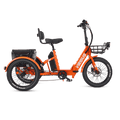


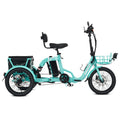







In most places, adult tricycles are legally considered bicycles. That means if bicycles are allowed on a bike path, tricycles are usually allowed too.
From a legal and functional standpoint, a tricycle:
- Is human-powered (or pedal-assist electric, in some cases)
- Uses the same types of pathways
- Is operated at similar speeds to a casual bicycle
- Is meant for the same general purpose: recreation, commuting, or exercise
Because of this, most bike paths, multi-use paths, and greenways allow tricycles by default.
However, “allowed” and “practical” aren’t always the same thing. While you can usually ride a trike on bike paths, the width, turning radius, and speed differences can make some paths more challenging than others, which we’ll cover in a bit.

1. Are Tricycles Allowed on Bike Paths?
In most U.S. states, adult tricycles are legally classified as bicycles. That means:
- If a path is open to bicycles, it’s usually also open to tricycles
- The same basic traffic and path-use laws apply to both
- From a legal point of view, a trike is just another type of pedal-powered bike
What About Electric Tricycles?
Electric tricycles generally fall under the same rules as Class 2 e-bikes, as long as:
- The motor is 750 watts or less
- The top assisted speed is 20 MPH or less
If your electric tricycle stays within those limits, it is usually treated just like an e-bike, which means it’s typically allowed anywhere e-bikes are allowed, including most bike paths.
However, if your tricycle exceeds 20 MPH or has a motor more powerful than 750W, it may be legally classified as a moped or motorcycle, not a bicycle. And once that happens, it generally does NOT belong on bike paths.
2. Riding a Tricycle on Bike Paths: Why Local Rules Matter
Even though this is how the law works in most places, local rules can still vary. It is always important to check the local rules and regulations on the subject because:
- Some parks have special restrictions on maximum vehicle widths on bike paths
- Some cities limit certain types of vehicles on specific paths
- Some trails have width or vehicle-type rules
- Some cities even go as far as banning three or four-wheeled vehicles on certain narrow or high-traffic bike paths.
So before riding a new path, especially when riding in a park, nature reserve, or managed trail systems, check the local regulations or signage.
If the path is too narrow, labelled as “bike-only” or “single-track”, or if you are riding an electric tricycle, it is really important to double-check the law before you get on the bike trail.

3. Riding a Tricycle on Bike Paths: Limitations
Even when tricycles are fully allowed on bike paths, riding a trike on a bike path comes with some real-world challenges. Trikes and bike paths can work very well together, but they require a bit more awareness and courtesy. Here are the top 3 reasons why:
1. Tricycles Are Much Wider Than Bicycles
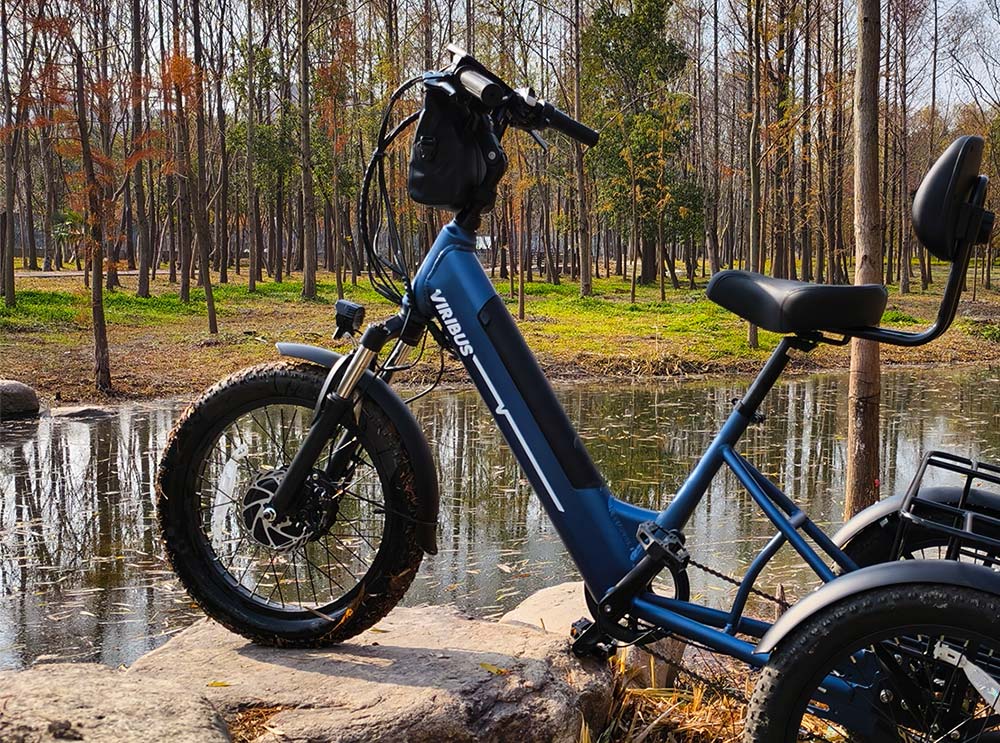
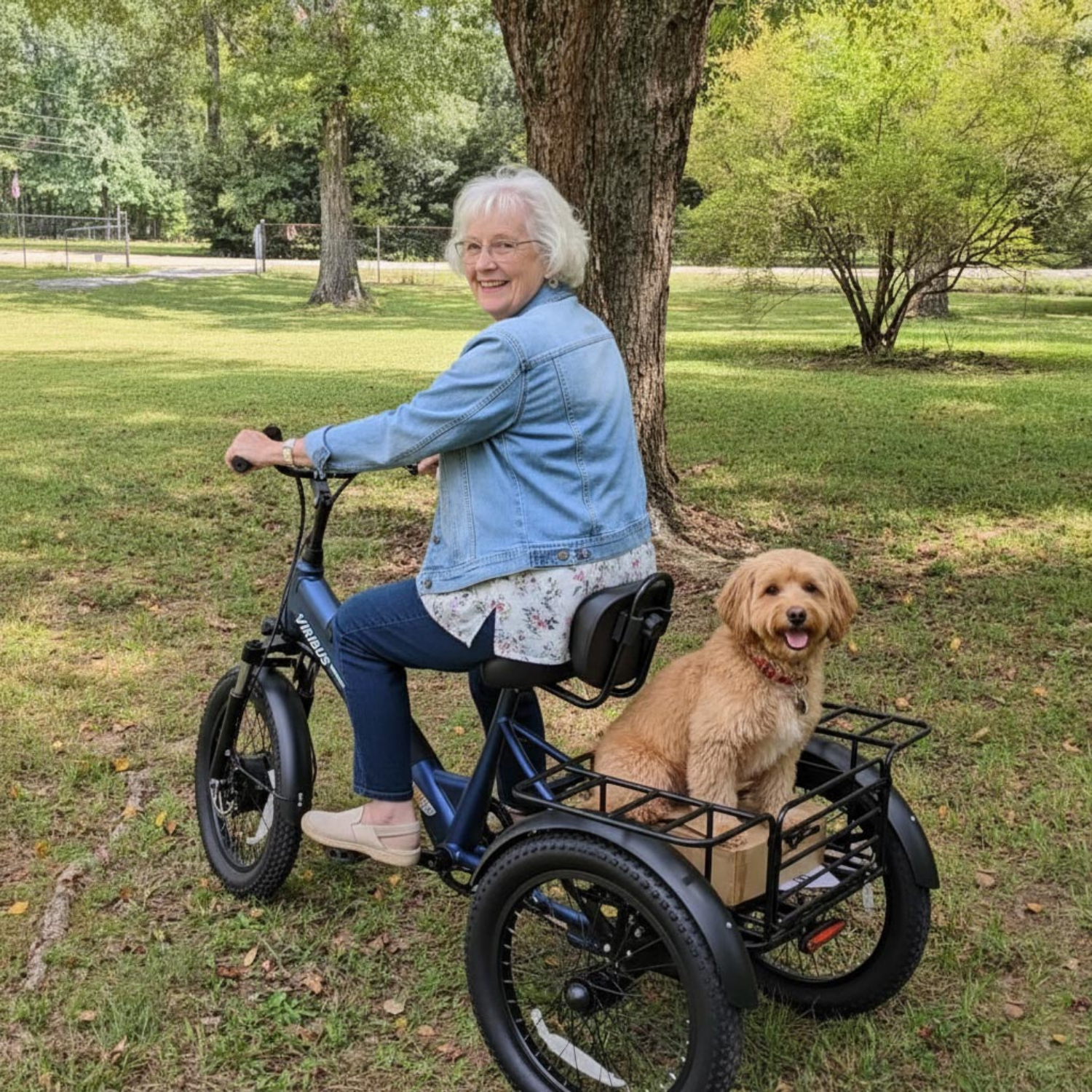
This is the biggest difference. Adult tricycles are wider than bicycles, which means they take up more horizontal space on the track. If you have a fat tire electric tricycle like the SC5 Fat Tire Electric Tricycle, you need to pay extra attention to other users on narrow bike paths because:
- The wider frame leaves less room for cyclists and other users
- Passing and being passed require more care from everyone
- It might create more traffic at pinch points like bollards, gates, or barriers
To make things easy for everyone, ride a bit slower, hold a steady, predictable line, and be ready to move aside when needed to let faster riders pass. Courtesy matters a lot more when you’re riding something that takes up extra space.
2. You Need a Wider Turning Radius
When riding a tricycle on a bike path, turning may be a little more complicated and requires extra care and attention. This is important because tricycles don't lean into turns and need more space to turn.
So, the tricycle may feel unstable if you turn too sharply at speed. Even tight switchbacks or winding paths can feel awkward or even risky.
For this reason, it is important to turn even more slowly when riding on a bike path than you would on broader spaces. Ideally, look around and ensure there is enough space, and a considerable distance between you and any rider who may appear on the opposite side before attempting a turn.

3. Pay Attention to Speed Differences
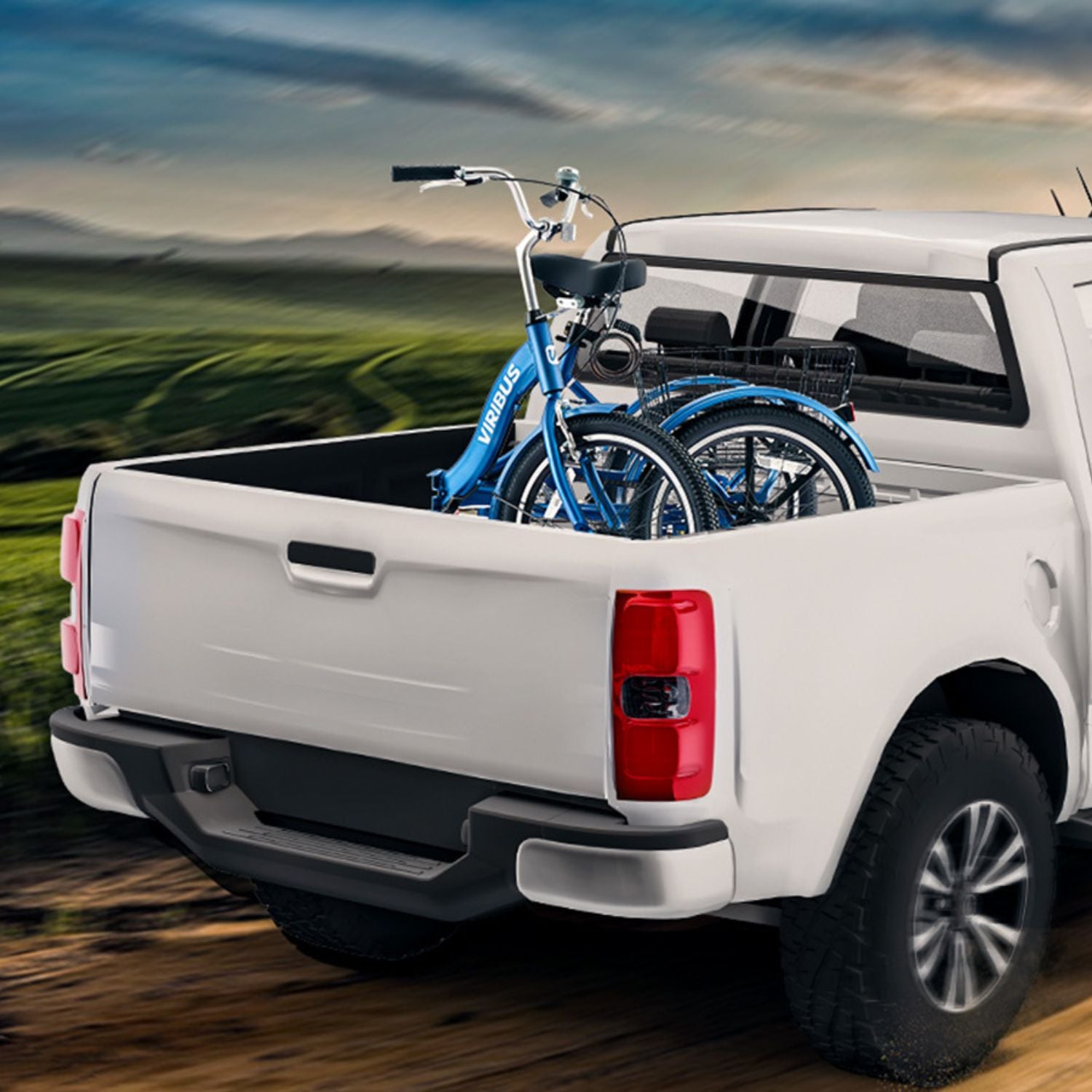
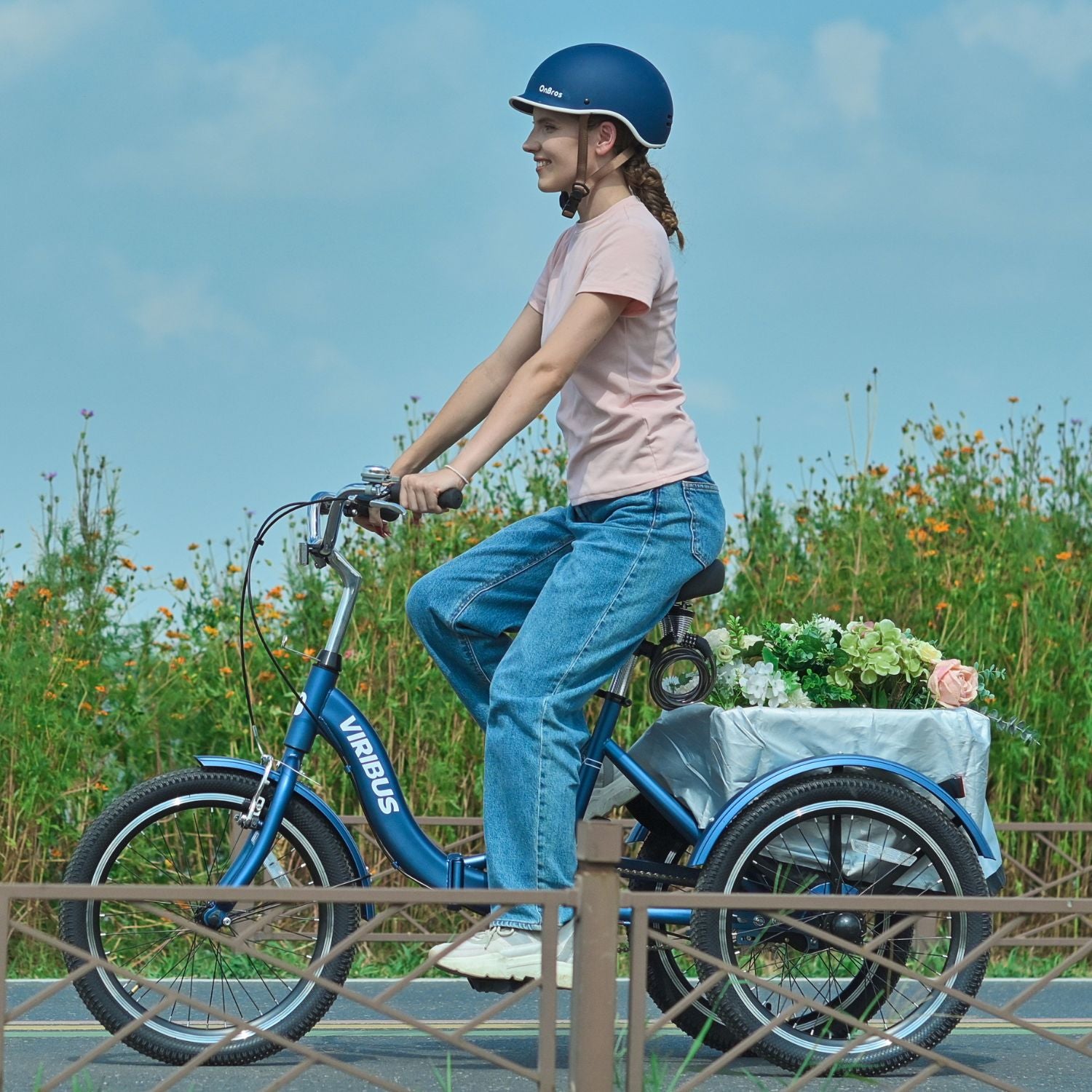
On a busy bike path, there is always a mismatch in speed between a tricycle and regular bicycles. With any electric tricycle, especially modern models like the FC1 Folding Electric Tricycle, you are very likely to go at a higher speed than regular cyclists. Because of this speed mismatch, you need to pay extra attention and extend courtesy to others where necessary.
This explains why many trikers, when riding on bike trails, are more relaxed, accelerate more slowly, and cruise at slightly lower speeds overall.
Tricycles Are Heavier and More Demanding Over Long Distances
The average weight of a tricycle is significantly more than that of a bicycle, and this is an important fact to keep in mind, especially if you are riding your tricycle on a long bike trail. This is really important for two reasons:
- Tricycles have more rolling resistance
- They also take more effort to pedal over long distances
That means they’re not ideal for very long rides on bike paths, especially if you’re pedaling a non-electric model. Even electric tricycles have limits. Most e-trikes realistically get about 35–40 miles per charge under good conditions
Therefore, if you travel too far on an extensive bike trail, you may end up having to:
- Pedal a heavy trike home with no assist
- Cut your ride short earlier than expected
To avoid these complications and make the most of your tricycle, go for shorter, relaxed rides where trikes really shine.

4. Riding a Tricycle on Bike Paths: Risks and Precautions
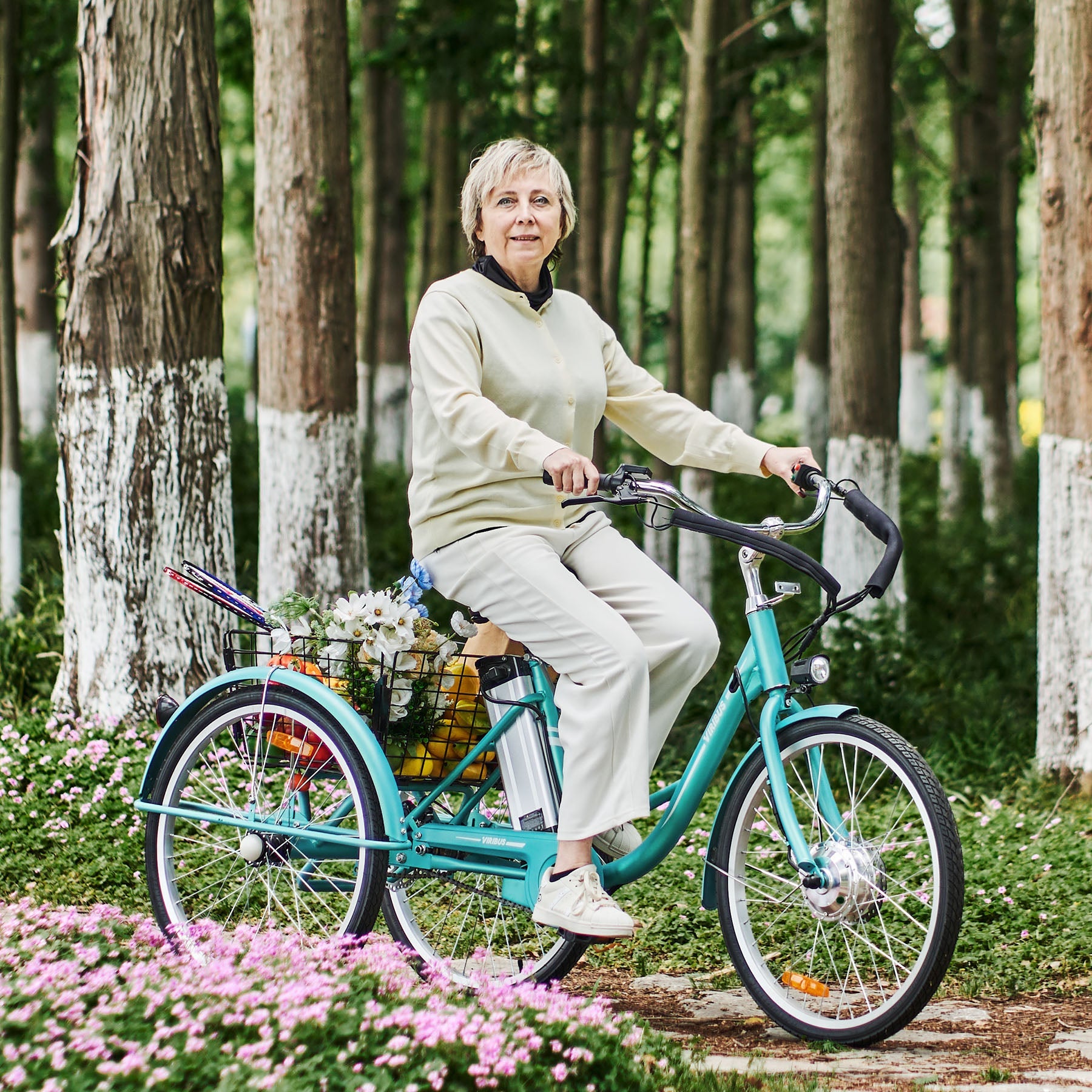
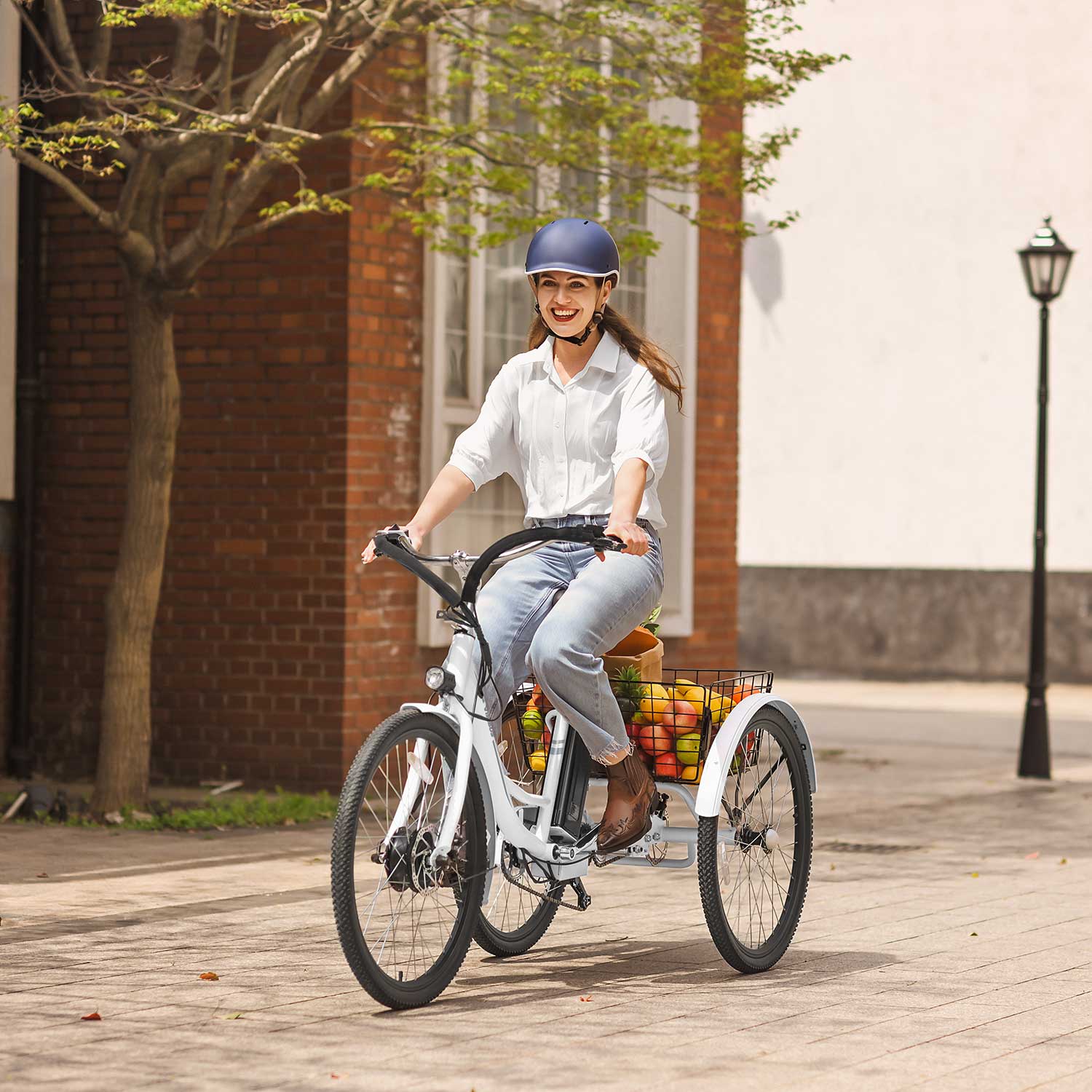
Riding a trike on a bike path should be about enjoying yourself, not rushing. In fact, riding a tricycle on a bike path is only worth it if you are riding as a relaxed activity, a fitness and mobility aid, or a sightseeing and enjoyment ride.
If you have a fat tire electric tricycle, which you use as a high-speed workout machine or a long-distance endurance vehicle, then riding on a bike path may not be the best idea.
A Good Rule of Thumb is to ride over shorter distances, take breaks, and enjoy the ride instead of pushing mileage
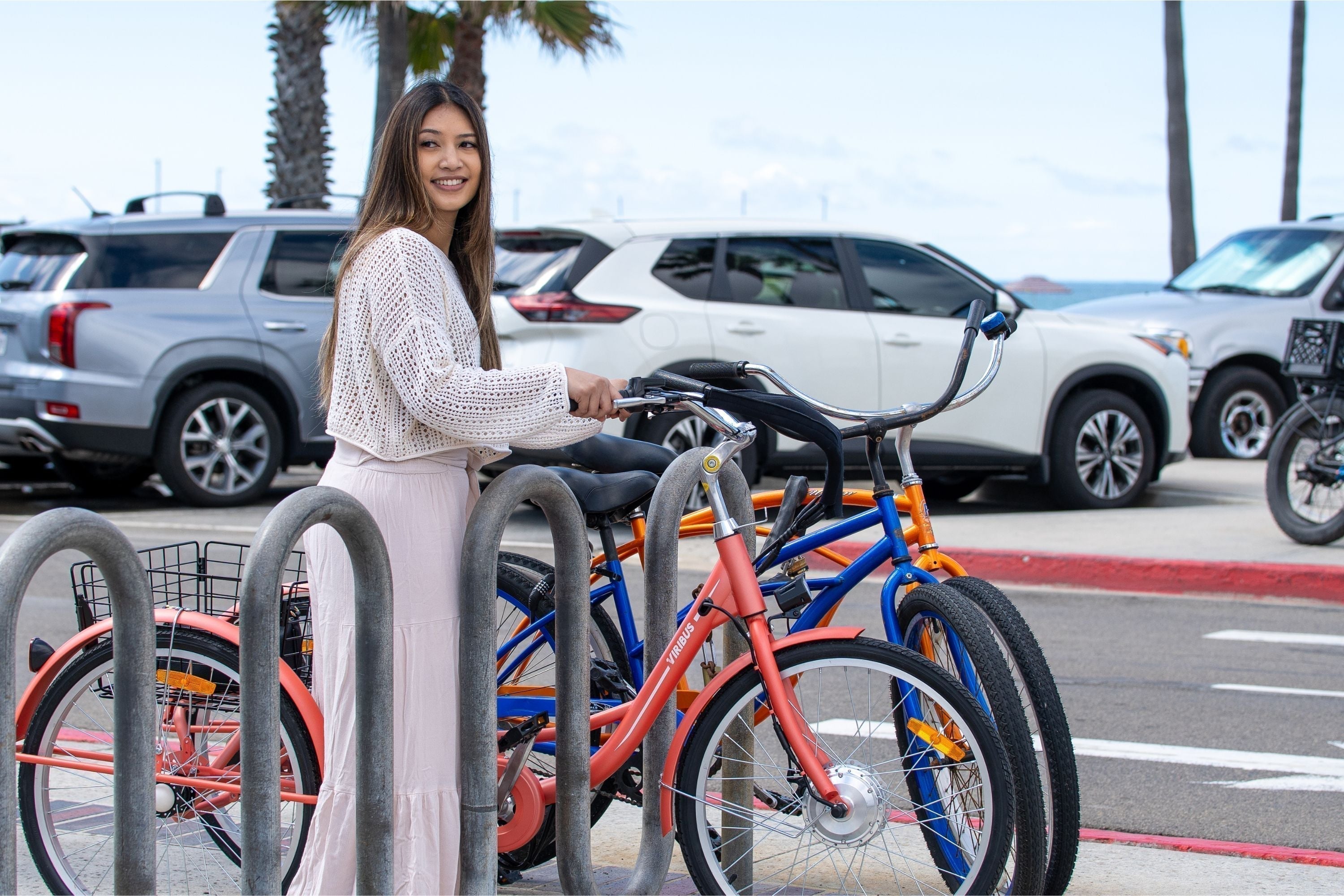
If you’re in places like California, you have access to the best beach paths like Huntington Beach and many others that are perfect for tricycles: wide, scenic, and designed for relaxed riding.
5. Tips for Riding Your Tricycle on a Bike Path
Here are some very practical tips that make trike riding safer and more enjoyable for everyone.
- Make sure your brakes are in good shape: Good brakes give you more confidence, more reaction time, and much better safety margins. Remember, tricycles are heavier, carry more momentum, and can take longer to stop, depending on the braking system
- Slow down for turns: Reduce speed before turning, take wide, smooth arcs when turning, and avoid sharp, fast cornering. Though well-balanced at slow speeds, a tricycle may tip over if you corner too aggressively.
- Be extra courteous. Some cyclists may get impatient and feel that your trike takes up too much space. The best approach is to stay calm, be polite, and give room when you can. Don’t let someone else’s bad mood ruin your ride
- Choose the right paths: Though regular adult tricycles are a good fit for most bike paths, they truly excel on wide, paved multi-use paths. This explains why beach paths, park loops, rail trails, and greenways are some of the best bike paths for tricycles
They’re less ideal for narrow trails, tight, twisty paths, and crowded commuter corridors

Final Thoughts: Are Bike Paths Good for Tricycles?
Yes, you generally can ride your tricycle on a bike path. In most states, this is both legal and excellent. As long as your trike (especially electric) stays within legal limits, you follow local rules, ride with awareness and courtesy, and you choose appropriate paths, bike paths can be one of the best places to enjoy an adult tricycle.
Trikes aren’t about speed. They’re about comfort, stability, confidence, and enjoying the ride, and bike paths are a perfect match for that style of cycling.
Explore more bike paths to ride your tricycle in California.





Leave a comment
All comments are moderated before being published.
This site is protected by hCaptcha and the hCaptcha Privacy Policy and Terms of Service apply.