














When people experience pain and discomfort from a bike seat, the usual assumption is that the problem lies with the seat itself, but that is not always the case.
Sometimes, the cause of bike seat discomfort is indeed because the seat is too small, too narrow, or too wide; however, most of the time, the reason for the discomfort is due to the rider's position and how they are sitting on the bike.
If you're positioned wrongly on the bike or if the seat height is improperly adjusted, the bike seat will cause discomfort. Another reason could be that your body is just taking time to adapt to the bike seat.
Given that bike seat discomfort is one of the main reasons why people give up cycling, this is a problem you must understand to solve. Let’s break down why bike seats feel so uncomfortable, what you can do to fix the problem, and how to choose a seat that actually feels good.

6 Reasons Why Bike Seats Are Uncomfortable
1. The Seat Is the Wrong Size
One of the most common and most painful causes of bike seat discomfort is the seat being too wide or too narrow for the rider.
For a bike seat to be comfortable, it needs to be properly sized, such that your sit bones (the bony points you feel when sitting) rest on the supportive part of the saddle.
- If the bike saddle is too narrow, your weight shifts to soft tissue, which increases pressure and causes numbness and pain.
- On the other hand, if the saddle is too wide, you’ll experience thigh rubbing, chafing, and a general “wedged in” feeling, which causes pain and discomfort.
So, the first thing to do when you experience pain or discomfort with a bike seat is to ensure that the bike seat is the proper size for your body size and shape. If the pain is sharp, piercing, and intense, it is likely a result of the bike seat being too narrow or too wide.
What to Do When Your Bike Seat is the Wrong Size
When your bike seat is causing pain or discomfort as a result of it being too narrow or too wide, the best solution is to get fitted for the right saddle.
Any decent bike shop near you should be able to measure your sit-bone width and recommend the correct saddle shape. This alone fixes the problem for most riders.

2. You're New to Cycling (Adaptation Takes Time)
Bike seats feel very uncomfortable to new bikers, and this is normal. When you’re new to regular riding, your sit bones simply need time to adapt, and this may be the reason why the bike seat feels extremely uncomfortable.
Cycling uses pressure in places your body isn’t used to. Even pros deal with saddle soreness early in the season.
Give Your Body Time to Adapt
Start with short rides, slowly increase your duration, and let your sit bones adjust. Even the perfect saddle will feel strange on day one.
3. Your Riding Position Is Wrong
If your riding position is wrong or unbalanced, your bike seat may cause pain and discomfort, even if the seat itself is the proper size.
If the handlebars are too low, the seat is too far back or forward, or tilted incorrectly, you are likely to be riding in the wrong position, which would cause discomfort or pain.
-
The handlebars are too low: This forces you to tilt too far forward, which may cause discomfort because it moves the seat pressure to your soft tissues.
-
The seat is too far back: When the seat of your tricycle is too far back, there is a risk of overextension and hip rocking, which will result in discomfort
- If the seat is too far forward, it puts excessive pressure on wrists and front tissue.
- If the seat is tilted incorrectly, it may slide forward or backward, which forces your body to tense up, increasing pain and discomfort.
While a comfort bike requires an upright sitting position, a mountain bike, for example, requires you to lean forward. Improper posture positions you in the wrong spot on the saddle and causes bike seat pain and discomfort.

4. The Seat Height Is Off
Another reason for a bike seat being uncomfortable is improper seat height. A saddle that’s too high makes your hips rock side-to-side, which may lead to soreness.
On the other hand, if the seat is too low, it loads too much weight onto your hips and knees, which is equally uncomfortable.
How to Adjust Seat Height
The solution is to adjust saddle height, tilt, and fore–aft Position
Start with these guidelines:
- Height: Your knee should have a slight bend at the bottom of the pedal stroke.
- Tilt: Keep the saddle level-don’t tip the nose up or down unless a fitter recommends it.
- Fore-aft: Kneecap should be aligned roughly over the pedal spindle.
These small adjustments make huge differences and should help alleviate the pain or discomfort caused by the bike seat.
5. You are Using the Wrong Bike Seat for the Riding Style
Different riding styles require different saddle shapes, and if your bike has the wrong-sized seat, it will definitely cause soreness, pain, and discomfort every time you sit on it. Here’s how different seat sizes should look for different types of bikers:
- For a road cyclist: a narrower, more ergonomic saddle
- For a casual rider: a wider, more supportive saddle
- For a mountain biker: a more streamlined saddle with durable sides
- For a commuter/upright rider: a seat that supports a vertical posture

Always Choose a Saddle Shape that Matches Your Riding Style
Choose a saddle that matches your riding style. If you are an upright rider, go for a bike seat that is wider and has more cushioning.
-
For a leaned-forward rider, choose a bike seat that is narrower and cutout for pressure relief
- For a mountain biker, go for a mountain bike seat with durable edges and a medium width.
Using the wrong type of saddle creates pressure hot spots and pain.
6. You Lack Proper Cycling Shorts and Accessories
Your bike seat may also be uncomfortable because your biking gear and accessories are not Regular shorts have seams and fabrics that fold, rub, and trap sweat. Cycling shorts and bibs reduce friction and distribute pressure better.
Wear Padded Cycling Shorts
They reduce friction, wick sweat, and remove seams that dig into your skin.
For longer rides, bib shorts are even better-they stay up and don’t bunch.
Why Do Bike Seats Hurt Women?
Bike seats often hurt women for several reasons: usually a combination of anatomy, pressure points, and poor bike fit. Here are some of the common reasons why bike seats might cause discomfort to women:
- Women typically have wider pelvic bones, so a narrow or poorly shaped saddles tend to create excessive pressure on soft tissue instead of supporting the sit bones.
- Riding with the handlebars too low, the saddle tilted incorrectly, or a seat that’s too hard or too soft can also increase discomfort for women.
- Also, women are exposed to many of the same challenges as men when it comes to bike seats: long rides without padded shorts or a properly adjusted bike can lead to numbness, chafing, and soreness, and this is usually a problem too for women.

How to Find a Comfortable Bike Seat
When buying a new saddle, look for the proper fit for your sit bones, a design that matches your riding position, a saddle shape that fits your autonomy, and one made of quality materials for comfort.
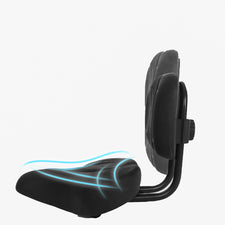
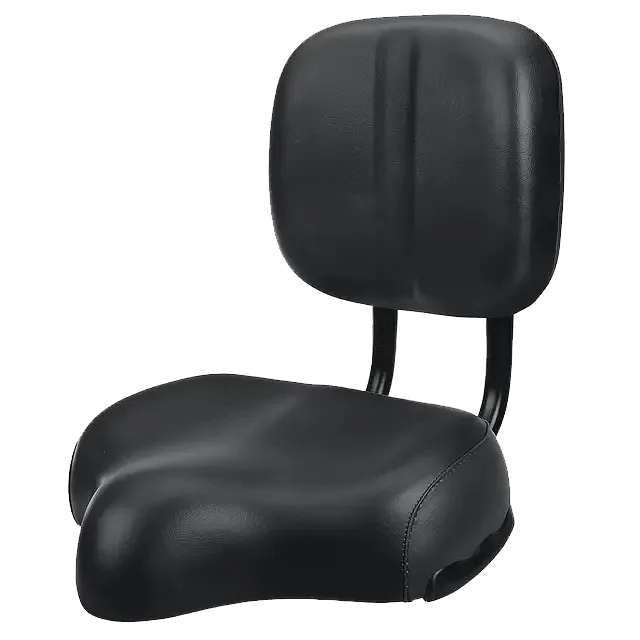
The Shock Absorbing Saddle from Viribus is especially designed for a perfect fit with PPH high-strength material for firmness. It is supported with bullet springs and shock-absorbing balls to ensure a smooth ride. With high-density polyurethane foam for extra comfort, it is soft and wide enough for women.
Viribus Cruising Bikes For Women: Best Women's Bikes with Comfortable Seats
One of the features that makes the Viribus 700C Cruiser Bike the most comfortable bike for women is that it features Viribus's specially designed enhanced saddle, which improves comfort and provides a better fit for women riders.
The swept-back handlebar and shock-absorbing cushioned saddle of this women's cruiser bike keeps you in an upright riding position for less strain on your back, ensuring an ergonomic ride on pavement, dirt, gravel, and everything in between.
This 7-speed bike offers agility, control, and comfort with V-brakes and sturdy 700C tires, perfect for casual riders and commuters.
Mistakes to Avoid When Figuring Out Why Your Bike Seat Hurts
1. More Padding Doesn't Always Mean More Comfort
Overly soft seats feel good in the store, but cause more pain on longer rides because your body sinks in and soft tissue takes the pressure. Bike seats that are firm and correctly shaped are often more comfortable.
2. The Bike Seat Is Not Automatically the Problem
When a bike seat is uncomfortable, it is a mistake to instantly assume that the bike seat itself is the problem. Actually, about 80% of saddle pain is caused by geometry, not the saddle.
So, before thinking of replacing a bike seat, adjust seat height, fore-aft, handlebar height, and body position to see if the discomfort stops. Many new riders replace a perfectly good saddle.
3. Riding Style Matters
Trying to use a wide comfort saddle for road cycling will feel terrible. Using a narrow race saddle for slow cruising? Also terrible. It is always important to ensure that the bike seat matches the type of bike you ride.
Final Thoughts on Bike Seats
Bike seats aren’t supposed to feel like your living-room sofa, but they shouldn’t cause pain, numbness, or dread every time you ride. Most discomfort has a fix, whether it’s adjusting your seat height, choosing the right saddle size, improving your riding posture, or simply giving your body time to adapt.
Once your saddle fits you and your riding style, cycling becomes dramatically more enjoyable. Your bike should feel like an extension of your body, not an enemy.
You might also be interested in more tips on how to clean and tighten a bike chain.













Leave a comment
All comments are moderated before being published.
This site is protected by hCaptcha and the hCaptcha Privacy Policy and Terms of Service apply.