











If you’ve been thinking about biking to work, school, or around town, you’ve probably come across the term commuter bike. But what exactly is a commuter bike, and what makes it different from other bicycles?
A commuter bike is designed for everyday transportation. Instead of focusing primarily on racing speed or off-road performance, it balances comfort, stability, durability, and practicality for regular trips.
The right choice depends on how far you ride, whether your route is flat or hilly, what you carry, and how often you need to stop. This guide explains what commuter bikes are, the main types available, the features that matter, and how to choose one for your daily routine.

What Is a Commuter Bike?
A commuter bike is a bicycle designed primarily for everyday transportation, such as riding to work, commuting to school, running errands, or getting around town.
Unlike road bikes, which are generally designed with speed and performance in mind, or mountain bikes, which are built for off-road terrain, commuter bikes prioritize comfort, dependable handling, durability, and practical features.
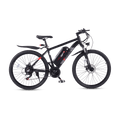
A commuter bike can be a traditional bicycle, an electric bike, a hybrid, a folding bike, or a step-through model. What makes it a commuter bike is less about one specific frame design and more about how well it works for regular transportation.
For example, a short, flat trip through a city may work well with a simple city bike, while a longer commute with hills may be more comfortable with a commuter e-bike.

Key Features of a Commuter Bike
The easiest way to identify a commuter bike is to look at how its design supports everyday riding. Common features include:
- Comfortable riding position: Many commuter bikes use an upright or semi-upright position for relaxed everyday riding.
- Durable frame: Steel and aluminum frames are common choices for dependable daily use.
- Practical tires: Medium-width or wider tires can provide stability and comfort on ordinary city roads.
- Rack and fender compatibility: Mounting points can make it easier to carry bags or add protection from rain and road spray.
- Useful gearing: Multiple gears can make hills and longer rides easier to manage.
- Practical equipment: Depending on the model, commuter bikes may include lights, kickstands, chain guards, racks, or other everyday features.
Who Are Commuter Bikes Designed For?
Commuter bikes are a good fit for people who want a bicycle they can use as part of their normal transportation rather than only for recreational rides.
- Workers biking to the office
- Students commuting to campus
- City riders traveling through streets and bike paths
- People who want an alternative to short car trips
- Beginners who prioritize stability and comfort
- Riders who want to combine transportation with regular exercise
If your main goal is practical point-A-to-point-B transportation, a commuter bike is one of the most versatile bicycle choices to consider.
Types of Commuter Bikes and How to Choose
Not every commuter has the same route or riding habits. The main types of commuter bikes include city commuter bikes, commuter e-bikes, hybrid bikes, step-through bikes, and folding bikes.
Choosing between them is easier when you start with your actual commute rather than looking for one bike that is considered “best” for everyone.

1. Standard City Commuter Bikes
City commuter bikes are designed primarily for paved streets, bike lanes, and short-to-medium urban trips. They commonly feature an upright riding position, practical gearing, and tires designed to balance comfort and efficiency.
Choose a city commuter bike if:
- Your commute is relatively short
- Your route is mostly flat and paved
- You prefer a simple, traditional bicycle
- You do not need motor assistance
For a straightforward daily ride around town, a city commuter bike can provide everything you need without adding unnecessary complexity.
2. Commuter E-Bikes
Commuter e-bikes combine a conventional bicycle with electric pedal assistance. The motor can reduce the effort required to accelerate, climb hills, or maintain a comfortable pace over longer distances.
A commuter e-bike can be especially useful if:
- Your route includes hills
- You have a longer commute
- You regularly ride into strong headwinds
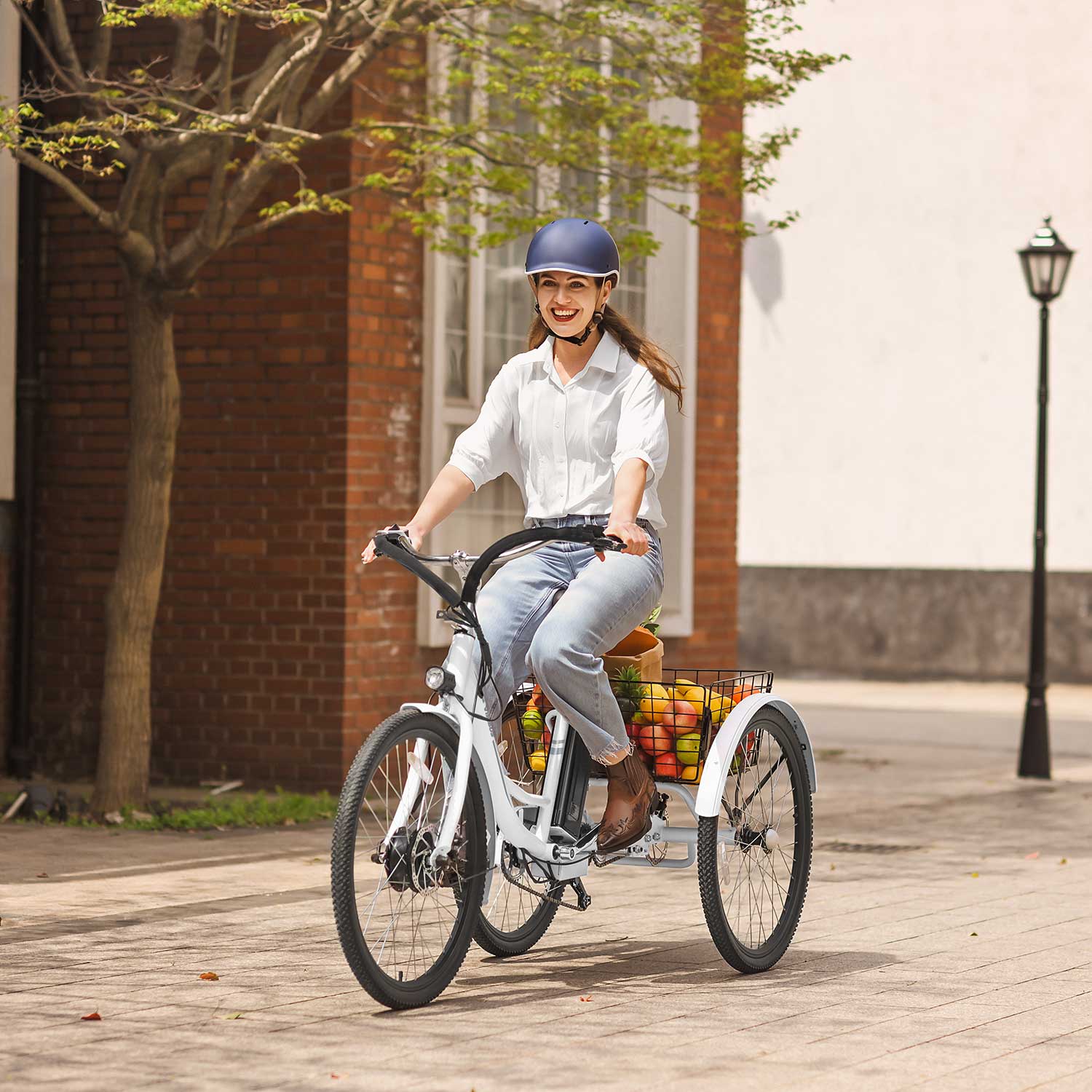
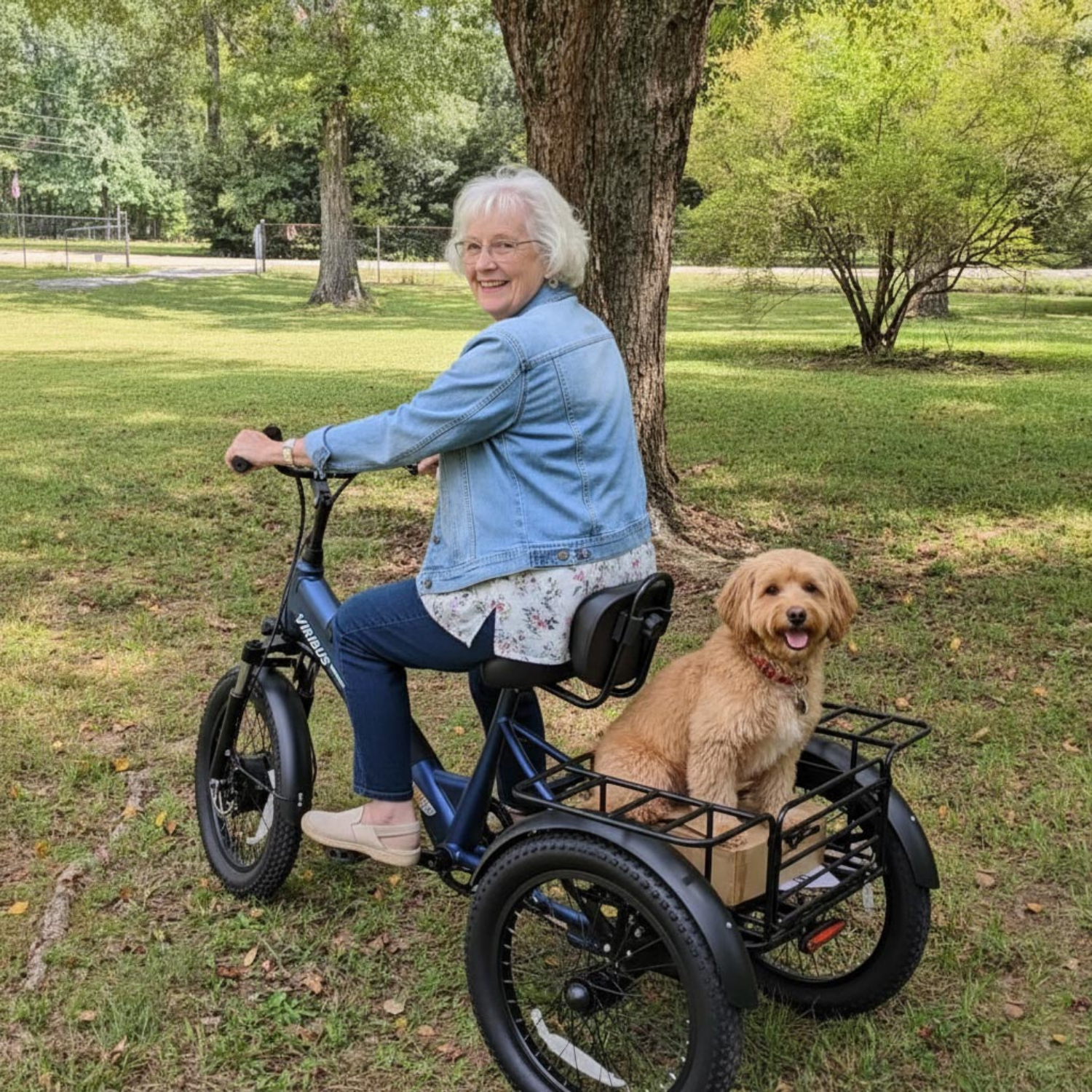
- You carry groceries, work equipment, or other cargo
- You want to arrive with less physical fatigue
Electric assistance does not mean you have to stop exercising. You can still pedal normally and adjust your effort depending on the terrain and the level of assistance you use.
3. Hybrid Commuter Bikes
A hybrid commuter bike combines characteristics of road and mountain bikes, making it a useful option for riders who want to commute during the week and use the same bike for fitness or recreational riding.
Hybrid bikes often offer:
- A slightly sportier riding position
- Efficient tires for paved roads
- More versatility for bike paths and light mixed surfaces
- A good balance between commuting and recreational riding
Choose a hybrid commuter bike if you want one bicycle that can handle both daily transportation and weekend exercise.

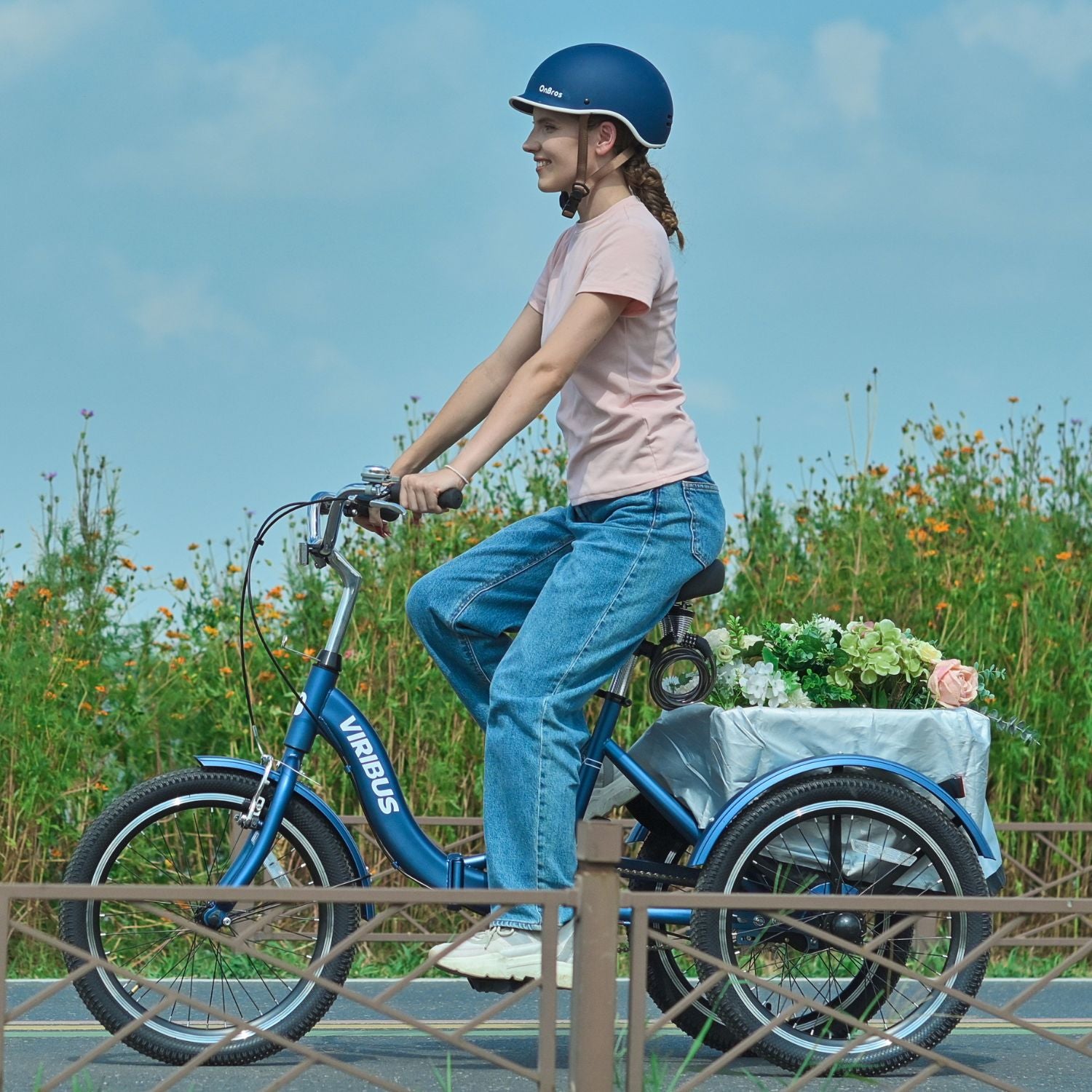
4. Step-Through Commuter Bikes
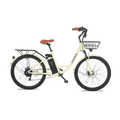
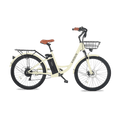
A step-through commuter bike has a low or open frame section that makes mounting and dismounting easier.
This design can be particularly useful for riders who:
- Wear work or everyday clothing while riding
- Make frequent stops
- Prefer easier mounting and dismounting
- Carry groceries or other items
- Want a more accessible frame design
Choose a step-through commuter bike if easy mounting is one of your priorities.
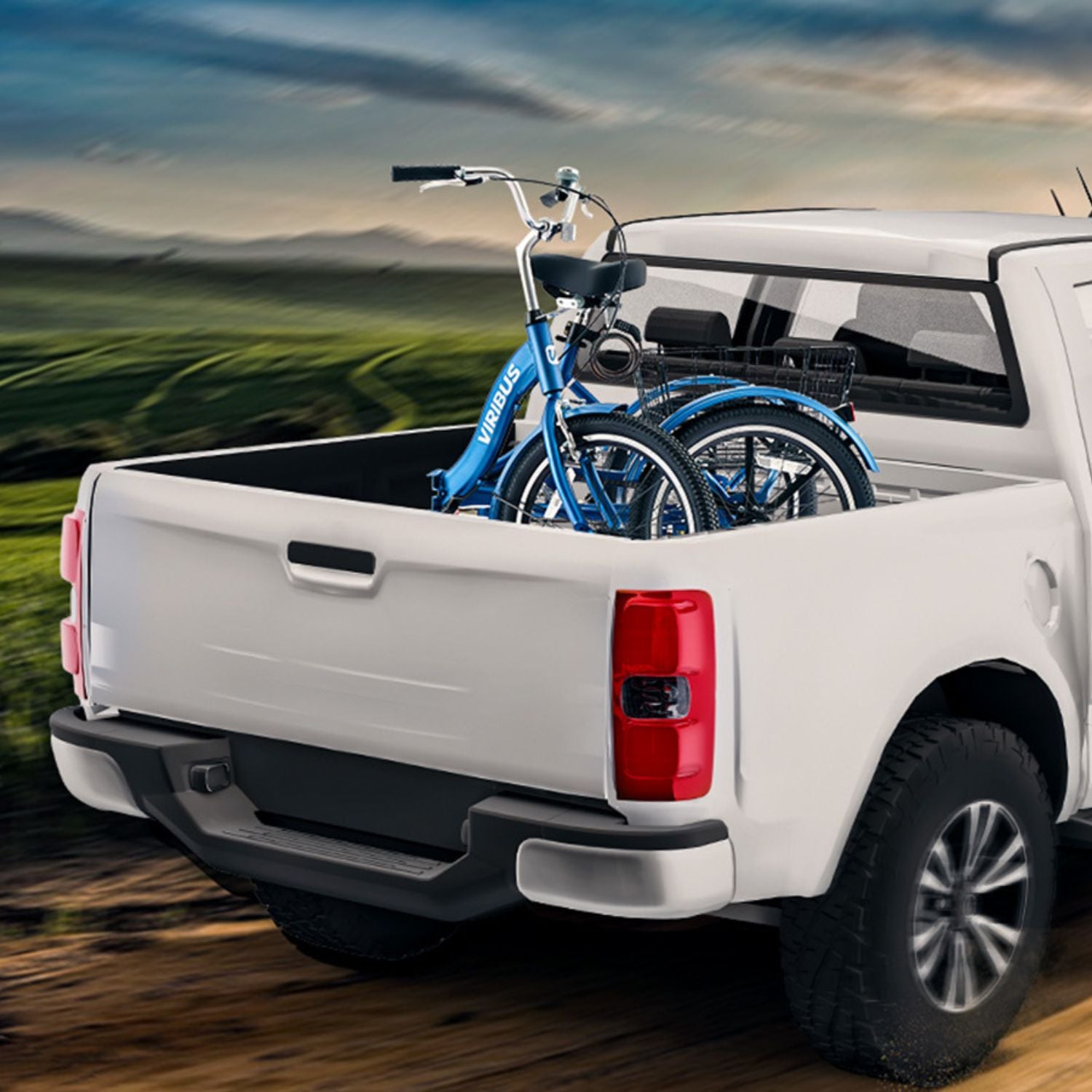
5. Folding Commuter Bikes
Folding bikes can be useful for commuters who have limited storage space or combine cycling with trains, buses, or car travel.
The main advantage of a folding commuter bike is portability. If you need to carry your bike into an apartment, office, or vehicle, a folding design can be more convenient than a full-size bicycle.
What Is the Best Commuter Bike?
There is no single best commuter bike for every rider. The best option depends on your distance, terrain, cargo, storage needs, and preferred riding style.
| Your Commute | A Good Option to Consider |
|---|---|
| Short and mostly flat | Standard city commuter bike |
| Long or hilly | Commuter e-bike |
| Commuting plus fitness | Hybrid commuter bike |
| Frequent stops or easier mounting | Step-through commuter bike |
| Limited storage or multimodal travel | Folding commuter bike |
| Regular groceries or work equipment | Bike with rack or cargo options |
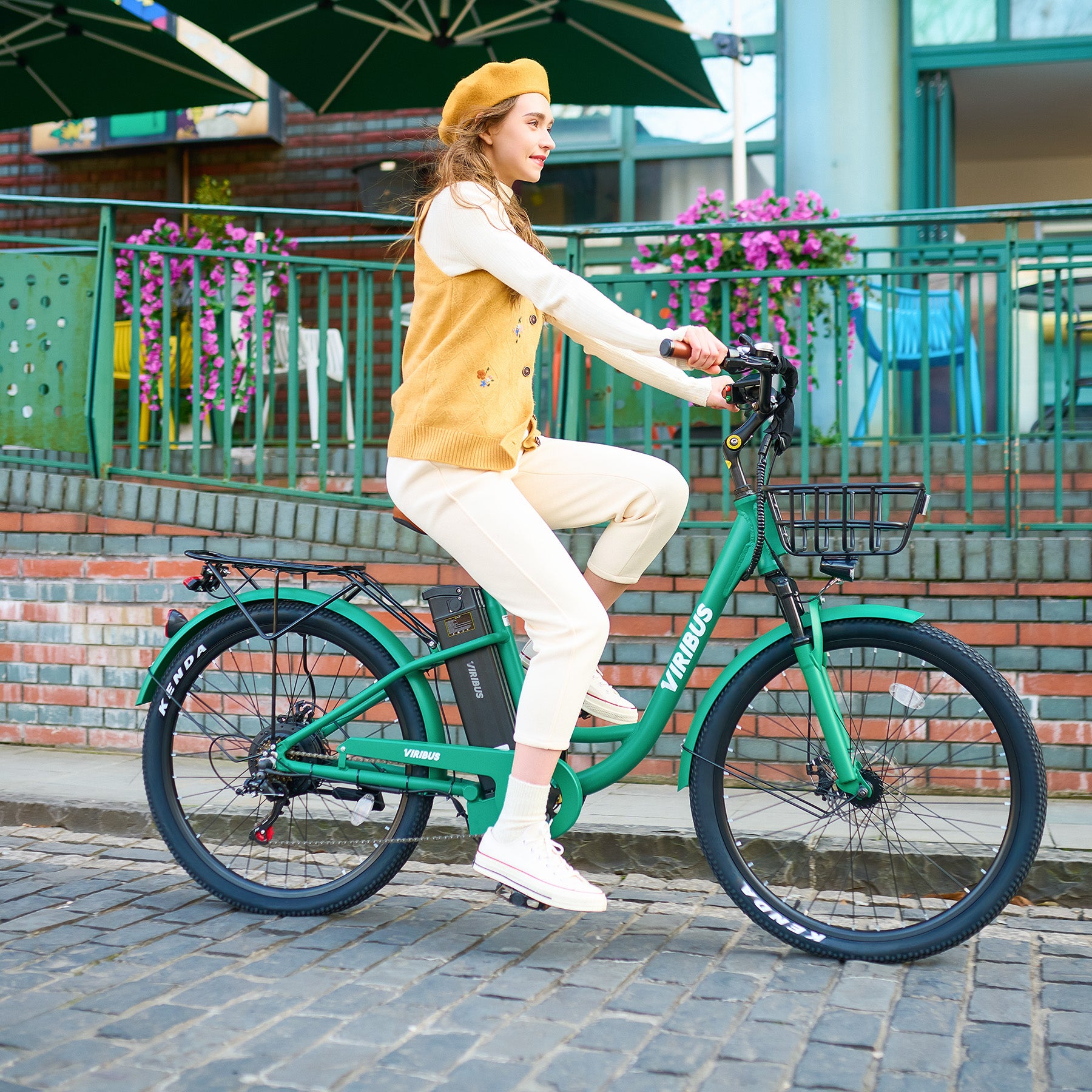
For riders who want electric assistance and an easier mounting design, the Viribus BZ1 Step-Thru Electric Bike is one option to consider.
The BZ1 uses a 500W motor and step-through frame. Its current specifications include a 48V 13Ah battery, 7-speed Shimano derailleur, mechanical disc brakes, and 26 × 2.1-inch tires. Viribus lists a 20 mph top speed, up to 45 miles of pedal-assist range, and a 265 lb total payload capacity.
These specifications make the BZ1 relevant for riders who want electric assistance for everyday commuting, particularly when a longer route, hills, or easier mounting are part of the equation.
Must-Have Accessories for Commuter Bikes
Commuter riding is about more than the bicycle itself. The right accessories can make daily trips safer, more comfortable, and more convenient.
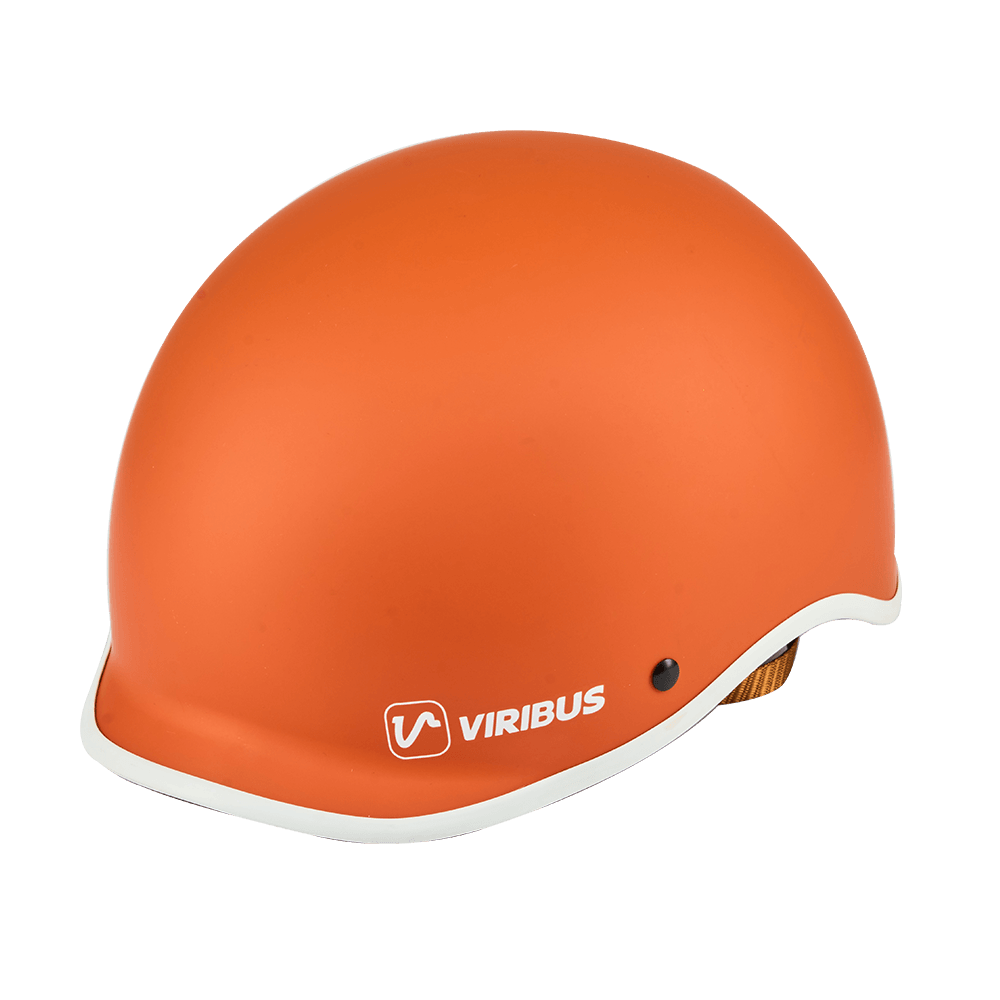
- Bike helmet: A properly fitted helmet is an important part of a commuter setup. Check your local regulations for applicable helmet requirements.
- Bike lock: If you leave your bike outside a workplace, store, station, or other public location, a quality lock is essential. The 115 cm Viribus Anti-theft Bike Lock is one option for securing a bike.
- Front and rear lights: Useful for early morning, evening, and other low-light conditions.
- Fenders: Front and rear fenders can help keep water and road spray off your clothes when riding on wet roads.
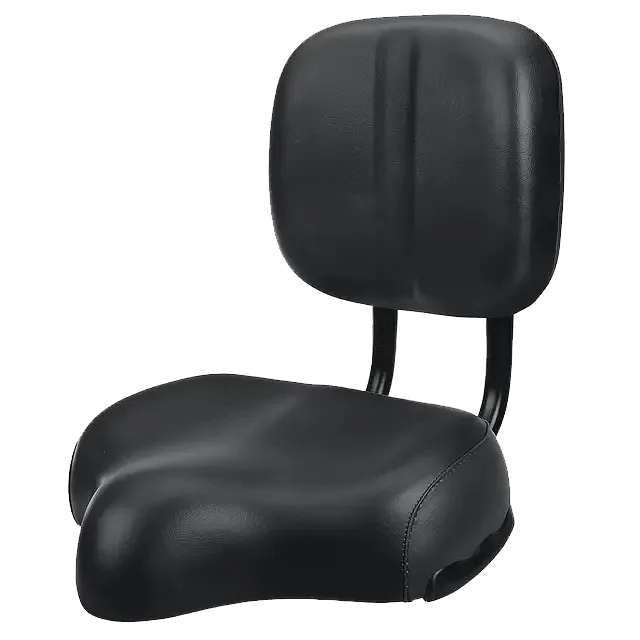
- Rear rack or panniers: Helpful for carrying a work bag, groceries, clothing, or other equipment without putting everything on your back.
- Backpack or messenger bag: A practical option if you do not have a rack or prefer carrying smaller loads yourself.
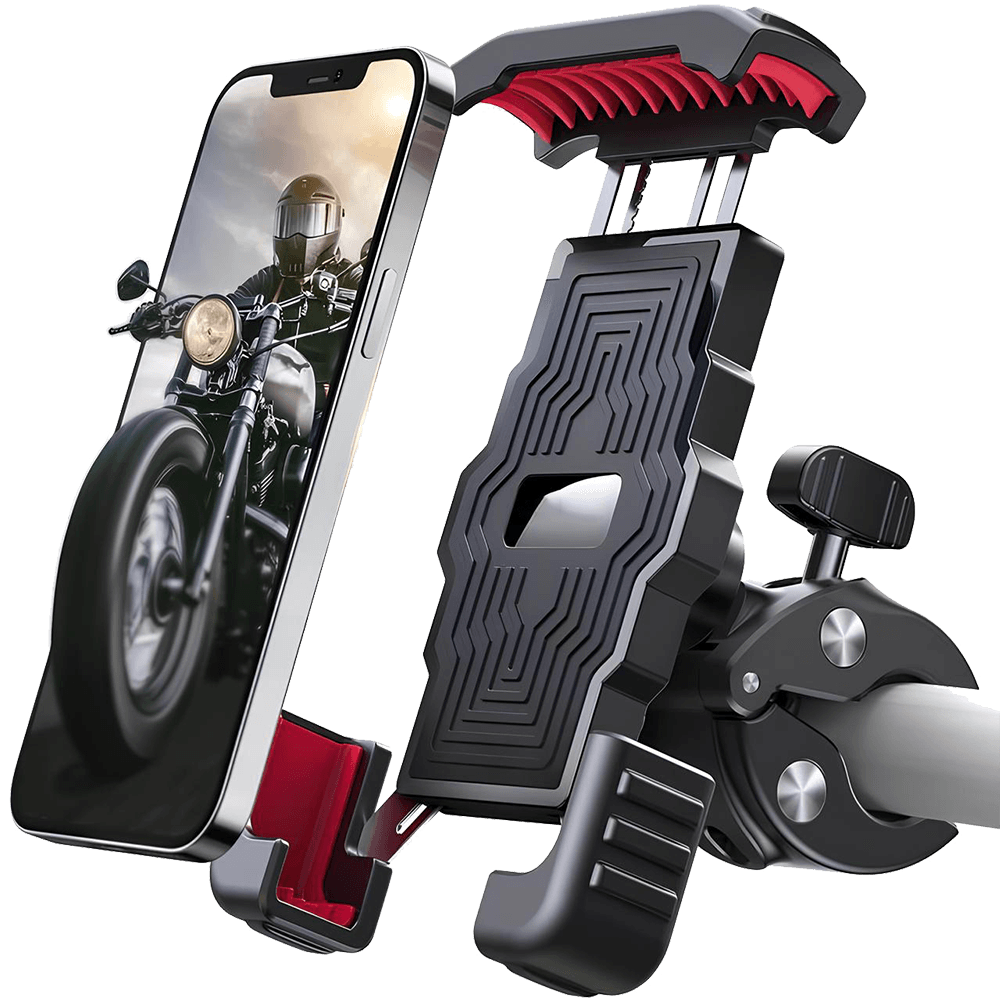
- Phone mount: Useful when you rely on your phone for navigation during unfamiliar routes.

Commuter Bikes vs. Road Bikes vs. Cruiser Bikes vs. Hybrid Bikes
Different bicycle styles can all be used for transportation, but their designs serve different priorities.
Commuter Bikes vs. Road Bikes
| Feature | Commuter Bike | Road Bike |
|---|---|---|
| Riding position | Upright or relaxed | More forward and performance-oriented |
| Primary purpose | Daily transportation | Speed, fitness, and road performance |
| Tire width | Usually medium to wide | Usually narrower |
| Accessories | Often rack and fender friendly | Usually more performance-focused |
| Best for | Urban commuting and errands | Fast road riding and fitness |
Commuter Bikes vs. Cruiser Bikes
| Feature | Commuter Bike | Cruiser Bike |
|---|---|---|
| Riding position | Upright but efficient | Very relaxed |
| Primary purpose | Transportation and utility | Leisure and casual riding |
| Handling | Designed for everyday travel | Focused on relaxed riding |
| Best for | Work, errands, and city travel | Leisure and short casual rides |
Commuter Bikes vs. Hybrid Bikes
| Feature | Commuter Bike | Hybrid Bike |
|---|---|---|
| Riding position | Comfort-focused | Usually slightly sportier |
| Primary purpose | City travel and errands | Fitness and transportation |
| Typical surfaces | Paved roads and bike paths | Paved roads and light mixed surfaces |
| Versatility | City-focused | More versatile |
| Best for | Daily commuting | Commuting plus recreational riding |
How to Choose a Commuter Bike
Before buying a commuter bike, consider the conditions you will actually encounter on your regular route.
Consider Your Commute Distance
A short commute may not require advanced gearing or electric assistance. As the distance increases, comfort, storage, gearing, and battery assistance can become more important.
Consider Your Terrain
Flat paved roads are relatively easy to handle with many bicycle styles. If your route includes repeated hills, a bike with an appropriate gear range or electric assistance may make the ride more manageable.
Consider What You Carry
If you regularly carry groceries, a laptop, work clothes, or other equipment, look for a bike that supports a rack, basket, panniers, or another practical cargo solution.
Consider How Often You Stop
If your route involves frequent stops, traffic lights, shops, or other interruptions, easy mounting and dismounting can become surprisingly important. A step-through frame can be a practical choice in this situation.
Consider Where You Store the Bike
If you live in an apartment, have limited garage space, or need to take your bike onto another form of transportation, a folding bike may be worth considering.
Final Thoughts on Commuter Bikes
A commuter bike is ultimately about making everyday transportation easier. The right bike should match the way you actually travel rather than simply having the most features or the highest price.
For short, flat city trips, a standard commuter bike may be all you need. For longer or hillier routes, a commuter e-bike can reduce the effort required. If easy mounting matters, a step-through design can add convenience. And if you regularly carry groceries or work equipment, prioritize practical storage options.
Ready to Start Your Commute?
Start with your distance, terrain, cargo, and riding habits. Once you know what your commute requires, it becomes much easier to choose the right commuter bike.
FAQs About Commuter Bikes
1. What makes a bike a commuter bike?
A commuter bike is designed for everyday transportation such as riding to work, school, shops, or around town. It generally focuses on comfort, stability, durability, and practical features rather than racing performance.
2. Are commuter bikes good for beginners?
Yes. Many commuter bikes use stable handling, comfortable riding positions, and practical gearing, making them a good starting point for people who are new to cycling.
3. Can a commuter bike be used for exercise?
Definitely. Riding to work or using a commuter bike for errands can add regular physical activity to your day. The amount of exercise depends on factors such as distance, speed, terrain, and how often you ride.
4. What accessories should I buy first for a commuter bike?
Start with the essentials: a helmet, lights if you ride in low-light conditions, a quality lock, and a practical way to carry your belongings. Fenders and racks are especially useful if you ride in wet weather or carry equipment regularly.
5. Is an e-bike good for commuting?
An e-bike can be a good commuting option for longer routes, hills, strong headwinds, or riders who want to reduce the physical effort required to travel by bike. For short and flat trips, a traditional bicycle may be sufficient.
6. Is a step-through bike good for commuting?
Yes. A step-through commuter bike can make mounting and dismounting easier, which is particularly useful for riders who make frequent stops or ride in everyday clothing.
7. Do commuter bikes need fenders?
Not necessarily, but fenders are useful if you regularly ride in wet conditions. They help reduce water and road spray reaching your clothing and bike.










Leave a comment
All comments are moderated before being published.
This site is protected by hCaptcha and the hCaptcha Privacy Policy and Terms of Service apply.