


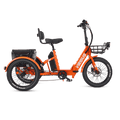


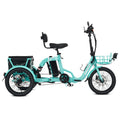




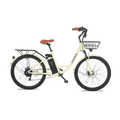





It is entirely possible to insure your electric bicycle. Unlike regular bicycles, electric bikes are particularly suitable for insurance for three reasons: their value, the level of risk they are exposed to, and their unique insurance needs.
- Value: Many e-bikes cost anywhere from $800 to $5,000+, making them more valuable than regular bikes and worth the extra protection insurance offers.
- Risk exposure: Ebikes are mostly used in urban areas, which means they are exposed to theft, accidents, and liability risks.
- Their Hybrid nature: E-bikes are somewhere between bicycles and motor vehicles, which creates unique insurance needs that cannot really be covered by automobile insurance.
So, for these three reasons, many insurers now offer specialized e-bike policies or allow e-bike owners to add e-bike insurance coverage to their existing insurance plans. In fact, ebike insurance is increasingly relevant in our society today as electric bicycles become more powerful, more expensive, and more widely used.

Do You Need Ebike Insurance?
Ebike insurance is not required by law in the United States; as of now, it is mostly only “highly advisable”. From a federal law perspective, e-bikes are generally regulated as bicycles (especially Class 1, 2, and 3), not motor vehicles. That means:
- No mandatory insurance (unlike cars or motorcycles)
- No registration required in most states
However, there are exceptions depending on speed, power, or local laws. Depending on its features and capacities, an ebike might be classified as a motorcycle. So, it’s always worth double-checking your state regulations.
Is Ebike Insurance Worth It
Even though it’s not required by law, e-bike insurance is often strongly advisable, especially if you have a really expensive electric bike, commute daily, ride in high traffic areas, or store the e-bike in a public or shared space.
In any of the above scenarios, your ebike is exposed to risks like theft, damage, or liability, which can all be covered by insurance. Ebike insurance will give you peace of mind and save you from unforeseeable financial shocks.
It helps to think of it this way: replacing a stolen $2,000 mountain e-bike out of pocket hurts a lot more than paying a small monthly premium.

Types of Ebike Insurance
There are four main types of insurance policies for e-bikes: theft insurance, damage insurance, liability insurance, and personal injury insurance.
Other types, such as accessories insurance and homeowners/ renters’ add-ons, also exist, but these four are the most common because they cover the risks that the average e-bike owner is most likely to be exposed to.
1. Theft Insurance
Theft insurance covers stolen e-bikes. Depending on the policy, you receive compensation if your electric bike gets stolen from your home, street, or rack.
E-bike theft is one of the most common risks, especially in cities where parking can be a little tricky. So, if you are an urban rider, commuter, or you park outside regularly, e-bike theft insurance is highly recommended.
2. Damage Insurance (Collision, Vandalism, etc)
E-bike damage insurance covers crash damage, vandalism, and (sometimes) natural disasters. Repairs on a modern e-bike (especially motors and batteries) can be expensive, so this policy compensates you for either the value of the bike or the cost of repairs.
Damage insurance is really worth considering if you have a high-end e-bike, but also if you are an off-road or trail rider, or a daily rider.
3. Liability Insurance
E-bike liability insurance covers bodily injury or property damage you may cause to others while riding your e-bike. If you hit a pedestrian or damage a car, you could be financially liable, but with your e-bike liability insurance, the insurer steps in and covers the cost.
This is a very important policy for people who ride their e-bikes in busy areas, especially if high-speed e-bikes are involved.
4. Personal Injury / Medical Coverage
E-bike personal injury insurance covers your medical bills after an accident. This policy is important, given the flaky and uncertain nature of health insurance.
There are many instances where health insurance may not cover everything, especially in cycling accidents. If you are a frequent rider or a long-distance biker, it is wise to have this as backup.
5. Accessory Coverage
Ebike accessory insurance covers the cost of helmets, locks, lights, racks, and other add-ons and ebike accessories. This is one of the rarer ebike insurance policies, but it is also important, especially to dedicated riders with customized setups whose ebike accessories can add hundreds of dollars in value.
6. Homeowners or Renters Add-On
Ebike homeowners or renters add-on insurance covers theft or damage to your e-bike under your existing home insurance. Usually, this is the cheapest ebike insurance policy, but coverage is limited. Consider it if you are just a casual ebike rider, or if the monetary value of your ebike is modest.
Ebike Insurance Providers in the U.S. (Comparison Table)
| Provider | Coverage | Compensation Structure | Typical Cost( Estimated) | Best If |
| Velosurance | Theft, damage, liability, medical payments, worldwide coverage | Replacement cost or agreed value (minus deductible) | $100–$300/year | You who want full, specialized e-bike coverage |
| Markel | Theft, crashes, racing, liability, transit coverage | Agreed value (you set your bike’s value upfront) | $100–$250/year | You are an enthusiast/ performance rider |
| Sundays Insurance | Theft, accidental damage, travel protection | Fast digital claims, flexible reimbursement | $8–$20/month | You want simple, flexible monthly plans |
| Lemonade | Theft (via renters/homeowners insurance) | Based on personal property limits and policy terms | Low cost or included in existing policy | You are a budget-conscious or casual rider |
The most popular ebike insurance providers in the U.S are Velosurace, Markel, Sundays Insurance, and Lemonade.
- If you want full protection, go with a dedicated provider like Velosurance or Markel
- If you prefer simplicity and flexibility, Sundays Insurance is a solid choice
- If you’re on a budget, adding coverage through Lemonade (or similar renters insurance) can work, but expect limitations

Ebike Insurance Policy Limitations and What to Watch For
Before you buy an ebike insurance policy (or any insurance policy for that matter), always read the fine print. Pay specific attention to six things: the coverage limits, deductibles, theft conditions, battery coverage, usage exclusions, and geographic limits.
- Coverage limits: Some policies try to cap payouts below your e-bike’s value
- Deductibles: For some policies, you may need to pay $100–$500 by yourself before coverage kicks in to pay the rest.
- Theft conditions: Many ebike insurance policies require you to have approved locks or proof of secure storage.
- Battery coverage: Not all e-bike insurance policies fully cover e-bike batteries
Usage exclusions: Some policies exclude commercial usage of your e-bike (e.g., delivery riding)
- Geographic limits: Coverage may vary if you travel internationally
A good rule to remember is that an e-bike insurance policy is not very helpful if it does not actually cover your real-world use, even if it is cheap.
How to Insure Your Ebike in Seven Steps
The process of insuring your e-bike begins with you determining which insurance policy you need. When you are ready to insure your e-bike, follow this process:
- Determine your needs. What risks are you most concerned about? You can decide based on how often you ride, where you ride, and where you store your bike.
- Know your bike’s value. Keep the ebike’s purchase receipt and include accessories and upgrades you have bought or made.
- Compare providers. Get quotes from at least 2–3 insurers. Make sure you compare the limits of coverage, not just prices
- Check your existing Insurance. Your homeowners or renters policy might already cover some risks, so you can negotiate for those to be taken out of the policy.
- Choose the coverage and deductible that will apply. Balance premium cost vs. out-of-pocket risk, and make the most financially wise purchase.
- Document Your e-bike. Take photos of your e-bike, record its serial number, and save the proof of purchase so you have all the necessary documentation in case you need to file a claim.
- Purchase the policy and review annually: Remember to update the coverage if you upgrade your bike and keep in touch with your insurer.
 Tips for Insuring an Ebike in California
- If you live in high-theft-risk areas (like Los Angeles or San Francisco), prioritize theft coverage
- If you live in a wildfire zone, make sure natural disaster coverage is included in your ebike insurance policy.
- If you often drive in areas with dense traffic, liability insurance is especially important
You may also want to consider comprehensive ebike insurance if you are a year-round rider.
You may also be interested in related e-bike laws in California.
Tips for Insuring an Ebike in New Jersey
The state of New Jersey offers a unique urban + suburban mix, which means theft and liability ebike insurance both matter. Here are some guidelines for purchasing ebike insurance in New Jersey:
- If you are a seasonal rider, consider policies that allow flexible or monthly payments
There is higher insurance scrutiny, so ensure your e-bike classification (Class 1–3) is clearly stated
- Check if your policy covers daily commuting, especially if you mostly use your ebike for commuting.
 Final Thoughts on Ebike Insurance
E-bike insurance isn’t mandatory, but for many riders, it’s a smart investment. The right policy protects you not just from theft, but from accidents, liability, and unexpected repair costs.
If your e-bike is something you rely on, whether for commuting, fitness, or just getting around, it’s worth treating it like any other valuable asset: protect it before something goes wrong.
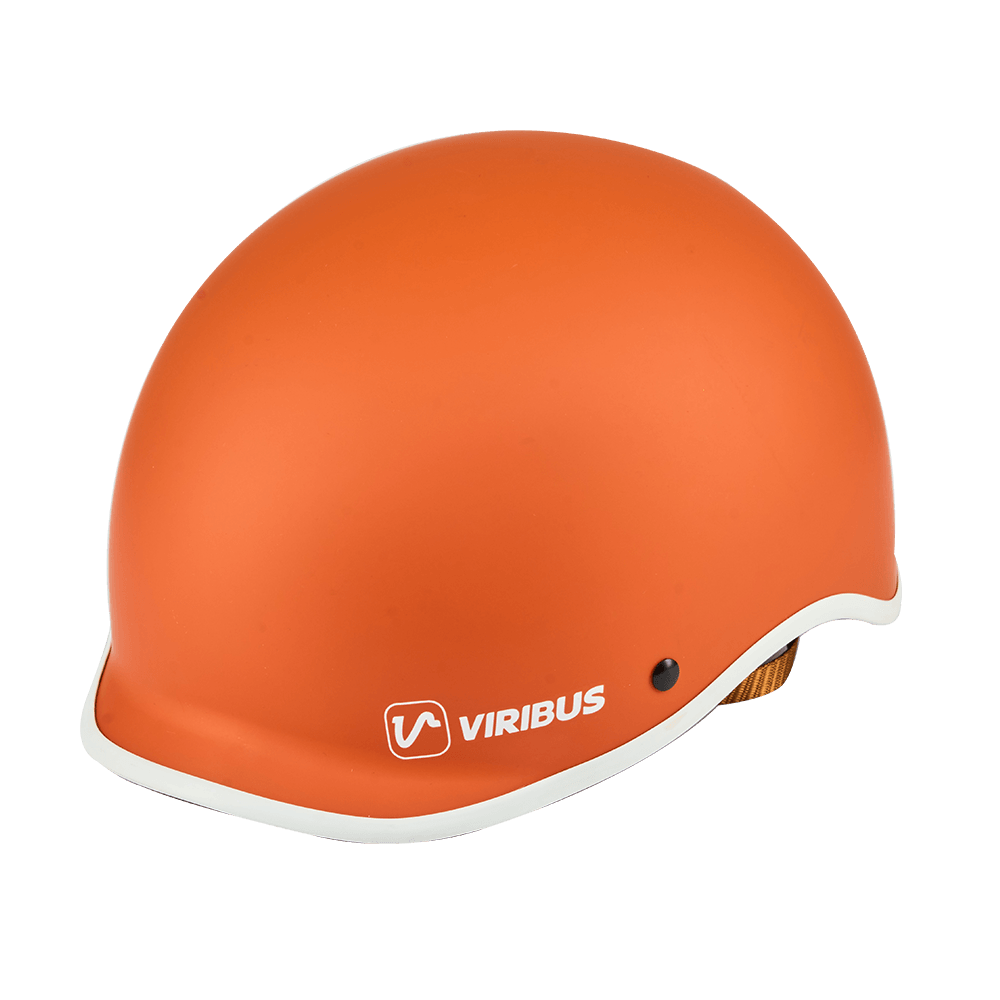
You might also want to check out e-bike helmet laws and how they vary from state to state.











Leave a comment
All comments are moderated before being published.
This site is protected by hCaptcha and the hCaptcha Privacy Policy and Terms of Service apply.