


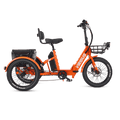


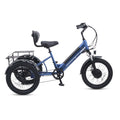

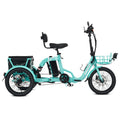











From busy urban streets to scenic bike paths and state parks, ebikes are now commonly used by commuters, students, outdoor enthusiasts, and delivery riders alike. While Ohio generally follows the three-class ebike system, specific rules about where you can ride, helmet use, speed limits, and trail access may differ depending on the city, park authority, or local trail management.
How Ohio Defines an Electric Bicycle
Under Ohio law (ORC §4511.522), an electric bicycle is legally defined as a bicycle equipped with fully operable pedals and an electric motor that produces no more than 750 watts of continuous power. Ohio law also requires ebikes to fit within the state’s official three-class system, which determines how the motor assists the rider and the maximum speed the bike can reach while powered.
Ohio does not classify compliant ebikes as mopeds, motorcycles, or motor vehicles. Because of this distinction, riders generally do not need a driver’s license, vehicle registration, insurance, or a motorcycle endorsement to legally operate an ebike. However, if an electric bike exceeds the legal speed or power limits, it may be treated as a motor vehicle under state law and become subject to additional regulations.
The state also places speed limitations on legal ebikes. Depending on the class, electric assistance is limited to either 20 mph or 28 mph. These limits are designed to improve rider safety while helping ebikes integrate more smoothly with traditional bicycles on roads, bike lanes, and shared-use paths.
Understanding Ohio’s 3-Class Ebike System
Class 1 Ebikes Laws Ohio
Class 1 ebikes are pedal-assist only, meaning the motor provides assistance only when the rider is pedaling. The electric motor stops assisting once the bike reaches 20 mph. These ebikes are commonly used for recreational riding, fitness, commuting, and trail riding because they closely resemble the experience of riding a traditional bicycle while providing extra support on hills and longer rides.
Class 2 Ebikes Laws Ohio
Class 2 ebikes can be powered either through pedal assist or a throttle system that allows the bike to move without pedaling. Like Class 1 models, the maximum assisted speed is limited to 20 mph. Class 2 ebikes are especially popular among commuters, casual riders, and people who want additional riding convenience in stop-and-go city traffic or during longer daily trips.
Class 1 or Class 2 E-bike? Which Should You Choose?
Class 3 Ebikes Laws Ohio
Class 3 ebikes are pedal-assist only and can provide motor assistance up to 28 mph, making them the fastest legal ebike class in Ohio. These bikes are often chosen by experienced commuters and riders who regularly travel longer distances. Because of their higher speeds, Class 3 ebikes may face additional restrictions in certain bike paths, trails, and recreational areas. Some locations may also require younger riders to wear helmets when operating a Class 3 ebike.
Where You Can Ride an Ebike in Ohio
Because ebike regulations may differ between cities, counties, parks, and trail authorities, riders should always verify local rules before heading out.
Public Roads
In Ohio, ebikes and other low-speed micromobility devices are generally allowed on most public roads and streets. Riders can legally operate ebikes anywhere traditional bicycles are permitted, making them a practical option for commuting, recreational riding, and daily transportation. However, ebikes are not allowed on limited-access highways or interstate roads due to safety concerns and high-speed traffic conditions.
Sidewalk
Ohio law allows people to ride bicycles and ebikes on sidewalks when the electric motor is not engaged. This means riders may walk or pedal their ebike manually in certain sidewalk areas. However, local cities and municipalities may enforce stricter rules regarding sidewalk riding, especially in crowded downtown areas, business districts, or pedestrian-heavy zones. Because local ordinances can vary significantly, riders should always check city-specific regulations before using sidewalks.
Bike Lanes and Shared-Use Paths
Class 1 and Class 2 ebikes are generally permitted on bike lanes, side paths, and shared-use trails throughout the state. These lower-speed ebikes are often treated similarly to traditional bicycles and are commonly allowed on paved recreational trails and urban cycling infrastructure. Still, some local parks, trail systems, or municipalities may restrict ebike access on certain paths, particularly in environmentally sensitive or heavily trafficked areas.
Natural Trails and Off-Road Restrictions
Ohio also discourages mountain ebike use on natural-surface trails and paths designed mainly for hiking, horseback riding, or mountain biking. Riding ebikes on these surfaces can create safety hazards, increase trail erosion, and conflict with non-motorized recreational users. To avoid fines or access restrictions, riders should stay on approved bike routes and follow posted trail rules at all times.
Restrictions for Class 3 Ebikes
Class 3 ebikes face more limitations because of their higher assisted speed of up to 28 mph. In many cases, Class 3 ebikes are not permitted on shared-use paths that are separated from roadways. Some trail operators and park authorities prohibit Class 3 models entirely due to safety concerns involving pedestrians, joggers, and slower cyclists. Riders using faster ebikes should carefully review local trail signage and regulations before riding.
Ebike Minimum Age Requirements In Ohio
In Ohio, most ebike classes do not have strict statewide age restrictions, but Class 3 ebikes are treated differently because of their higher assisted speed of up to 28 mph. Riders under the age of 16 are generally not permitted to operate a Class 3 ebike unless they are riding as a passenger. These rules are intended to improve safety for younger riders who may have less experience handling faster electric bicycles in traffic or crowded riding areas.
For younger riders using Class 1 or Class 2 ebikes, parents should still consider the rider’s experience, physical size, and ability to safely control the bike. Many local parks, trails, and private communities may also set their own age-related restrictions for ebike use. Before allowing minors to ride, families should review both state and local regulations carefully.
Helmet Laws for Ohio Ebike Riders
Helmet requirements in Ohio vary depending on the type of bike being used. Riders and passengers under 18 years old operating or riding on a Class 3 ebike are generally required to wear a properly fitted bicycle helmet. Although helmets may not be legally required for adults riding Class 1 or Class 2 ebikes, wearing one is strongly recommended for safety.
In addition to helmets, riders should consider using other protective gear such as reflective clothing, front and rear lights, gloves, and mirrors for improved visibility and control. High-visibility equipment becomes especially important when riding at night, in heavy traffic, or during poor weather conditions.
Bike Helmet Laws by State: A Guide to Staying Safe and Legal
Passenger and Child Riding Rules
Ohio riders may carry passengers on an ebike only if the bicycle is specifically designed to accommodate more than one person. Passengers should have a secure seat and proper foot support to reduce the risk of injury during sudden stops or turns.
For families riding with children, properly installed child seats and bike trailers can provide a safer transportation option. Riders should also reduce speed and allow for longer stopping distances when carrying additional passengers or cargo.
License and Registration Requirements for Ebikes In Ohio
In Ohio, most electric bicycles do not require a driver’s license to operate as long as the ebike meets the state’s legal definition of an electric bicycle. This means the bike must have fully operable pedals, a motor rated at 750 watts or less, and comply with Ohio’s three-class ebike system. Because compliant ebikes are treated differently from mopeds and motorcycles, riders can legally use them without obtaining a motorcycle endorsement or standard driver’s license.
Ohio also does not require registration or license plates for legal ebikes. Riders are generally free from the paperwork and fees associated with motor vehicles. However, riders must still follow traffic laws and local riding regulations just like traditional cyclists.
Do You Need a License For an Electric Bike? A State-by-State Guide
Insurance Requirements for Ebikes In Ohio
Ohio law does not require ebike owners to carry insurance for standard electric bicycles. Unlike motorcycles or cars, legally classified ebikes can typically be ridden without liability or vehicle insurance coverage. This helps reduce the overall cost of ownership and makes ebikes more accessible for daily commuting and recreational use.
Even though insurance is not mandatory, some riders may still benefit from optional coverage. Insurance can help protect against theft, property damage, accidents, or medical expenses after a collision. Riders who use expensive ebikes for commuting, delivery work, or long-distance travel may especially consider adding ebike coverage through homeowners, renters, or specialty bicycle insurance policies.
When an Ebike Could Be Classified as a Motor Vehicle
An ebike may lose its legal ebike status if it is modified beyond Ohio’s allowed limits. For example, increasing the motor power above 750 watts or altering the bike to exceed the legal speed limits for its class could cause it to be classified as a motor vehicle, moped, or motorcycle under state law.
Once an ebike is considered a motor vehicle, the rider may be required to obtain a driver’s license, registration, insurance, and additional equipment required for road-legal motorized vehicles.
Illegal modifications may also result in traffic citations, fines, restricted trail access, or increased liability in the event of an accident. Riders should avoid unauthorized modifications and follow manufacturer specifications to remain compliant with Ohio law.
Penalties for Violating Ohio Ebike Laws
In Ohio, common ebike violations usually involve unsafe riding behavior or failing to follow state and local regulations. These include speeding beyond the legal limits for the bike’s class, riding recklessly in traffic or crowded shared-use areas, and making illegal modifications that increase motor power or remove speed restrictions. Such actions can change how the ebike is classified under the law and may lead to safety risks for both the rider and others.
Possible Fines and Legal Consequences
Violating ebike laws in Ohio can result in traffic citations, fines, and other enforcement actions depending on the severity of the offense. Riders using illegally modified ebikes may face additional penalties because the vehicle could be reclassified as a motor vehicle, which carries stricter legal requirements. In some cases, authorities may also confiscate non-compliant ebikes, especially if they are unsafe or significantly exceed legal specifications.
Another important consequence involves liability in accidents. If a rider is found to be operating an illegal or improperly modified ebike, they may face increased legal responsibility for damages or injuries. This can affect insurance claims and potentially lead to higher financial liability after a crash.
Safety Tips to Ride an Ebike in Ohio
Wear Proper Safety Gear
In Ohio, wearing the right safety gear is one of the simplest and most effective ways to reduce injury risk while riding an ebike. A properly fitted helmet is strongly recommended for all riders, even when not legally required. Additional protective gear such as gloves, reflective clothing, and closed-toe shoes can also improve comfort, grip, and visibility in different riding conditions.
Follow Traffic Rules and Ride Predictably
Ebikes must follow the same traffic laws as traditional bicycles when used on public roads. This includes obeying traffic signals, stopping at intersections, using hand signals when turning, and riding in the same direction as traffic. Riding predictably helps other drivers and cyclists anticipate your movements, reducing the risk of collisions, especially in busy urban areas.
Control Your Speed and Braking
One of the most important safety practices is managing your speed based on road and trail conditions. Even though ebikes can reach higher speeds than traditional bicycles, riders should slow down in crowded areas, sharp turns, and shared-use paths. Practicing smooth braking and maintaining a safe following distance gives you more time to react to unexpected obstacles.
Be Visible at All Times
Visibility is critical, especially during early morning, evening, or nighttime rides. Use front and rear lights, wear bright or reflective clothing, and make sure your ebike has reflectors installed. Staying visible helps drivers, pedestrians, and other cyclists notice you earlier and avoid potential accidents.
Stay Aware of Road and Trail Conditions
Always scan the road ahead for hazards such as potholes, gravel, wet surfaces, or pedestrians. On shared paths, be especially cautious of sudden movements from walkers, runners, or other cyclists. Adjust your riding style depending on the environment and weather conditions to maintain control of your ebike.
Maintain Your Ebike Regularly
Regular maintenance is essential for safe riding. Check tire pressure, brakes, chain condition, and battery status before each ride. A well-maintained ebike performs more reliably and reduces the chance of mechanical failure while riding.
Respect Local Rules and Shared Spaces
Different cities, parks, and trail systems may have their own rules for ebike use in Ohio. Always follow posted signage and respect restrictions in certain areas, especially on pedestrian-heavy paths or nature trails. Being a courteous rider helps ensure continued access for ebikes across shared public spaces.
Conclusion
In Ohio, electric bicycles are generally classified into three classes with clear rules on speed, motor assistance, and where they can be ridden. Riders benefit from flexible regulations that do not require a driver’s license, registration, or insurance for compliant ebikes, but they are still expected to follow standard traffic laws and ride responsibly.
FAQ
What happens if you get caught on an electric bike?
In Ohio, getting “caught” on an electric bike is not an issue if you are riding a legal ebike and following the rules, but penalties apply when laws are violated, such as riding recklessly, speeding, using restricted trails or sidewalks, or operating a modified ebike that exceeds legal power or speed limits.
In these cases, riders may receive warnings or traffic citations and fines, and in more serious situations—especially involving illegal modifications—the ebike could be treated as an unregistered motor vehicle, potentially leading to higher penalties or even impoundment.
What e-bikes are street legal in Ohio?
In Ohio, the ebikes that are considered street legal are those that meet the state’s definition of an electric bicycle and fall within the three-class system: Class 1, Class 2, and Class 3 ebikes. A legal ebike must have fully operable pedals and an electric motor of 750 watts or less, and it must not exceed the class-based speed limits (20 mph for Class 1 and 2, and 28 mph for Class 3).
Is a 3000W ebike legal?
A 3000W e-bike is generally not legal to ride as a street-legal electric bicycle in Ohio if it is being used on public roads, bike lanes, or shared-use paths.
Are ebikes allowed on Ohio public land?
Yes, ebikes are generally allowed on public land in Ohio, but access depends on the type of land, the trail system, and local management rules.
Is it illegal to ride your bicycle on the sidewalk in Ohio?
Under Ohio law, sidewalk riding is generally allowed unless a local municipality prohibits it. This means you may legally ride a bicycle (and an ebike, when not using motor assistance in some cases) on sidewalks in many areas.
Why do bikers say "on your left"?
Bikers say “on your left” as a courtesy warning when they are about to pass someone on a trail, path, or sidewalk.
Do You Need a License to Ride an Ebike in Ohio?
In Ohio, electric bicycles that meet the state’s definition (Class 1, Class 2, or Class 3 with a motor of 750 watts or less and fully operable pedals) are treated as bicycles, not motor vehicles. Because of this classification, riders are not required to have a driver’s license, registration, motorcycle endorsement, or insurance to operate them legally.
Can I use an electric scooter through the road in an urban area in Ohio?
In Ohio, electric scooters are generally legal to ride on public roads in urban areas, but they must follow the same basic traffic rules as bicycles and other low-speed micromobility devices.
Can you ride an electric bike on the road without a license
Yes — in Ohio, you can ride a legal electric bike on the road without a driver’s license, as long as the ebike meets the state’s requirements.



Leave a comment
All comments are moderated before being published.
This site is protected by hCaptcha and the hCaptcha Privacy Policy and Terms of Service apply.