


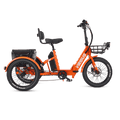


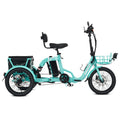





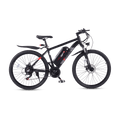




Arizona electric bike laws are designed to treat most e-bikes similarly to traditional bicycles, while still setting clear rules based on motor power, speed limits, and where each type of e-bike can be used. In general, e-bike riders do not need a driver’s license, registration, or insurance, making them a convenient and accessible transportation option across cities like Phoenix, Tucson, and Mesa.
Are E-Bikes Legal in Arizona?
Yes, electric bikes are legal in Arizona. Riders can use them on roads and bike lanes in most areas, provided they follow state and local regulations.
Arizona is generally considered an e-bike-friendly state because it allows broad access for electric bicycles compared to many other states. However, cities like Phoenix may impose additional restrictions.
E-Bike Classification System in Arizona
Arizona uses a three-tier classification system to regulate electric bicycles. Each class is defined by how the motor assists the rider and the maximum speed the motor can support. All legally compliant e-bikes must have a permanent manufacturer label identifying their class, motor wattage, and top assisted speed.
Class 1 E-Bikes (Pedal Assist Only)
Class 1 e-bikes only provide motor assistance when the rider is pedaling. The motor stops assisting once the bike reaches 20 mph. These are the most widely accepted e-bikes and are generally allowed in most cycling environments because they closely resemble traditional bicycles in how they operate.
Class 2 E-Bikes (Throttle Assisted)
Class 2 e-bikes include a throttle that can power the bike without pedaling, similar to a scooter. However, like Class 1 models, the motor assistance cuts off at 20 mph. Because of the throttle function, Class 2 e-bikes may face more restrictions on certain shared paths compared to Class 1 bikes.
Class 1 or Class 2 E-bike? Which Should You Choose?
Class 3 E-Bikes (High-Speed Pedal Assist)
Class 3 e-bikes are pedal-assist only and provide motor assistance up to 28 mph. These bikes are designed for faster commuting and road travel. Due to their higher speed capability, they are often subject to stricter access rules, especially on multi-use recreational paths.
Where You Can Ride E-Bikes in Arizona
E-bike access depends on both the class of the bike and the type of pathway. While Arizona generally allows e-bikes on most public cycling infrastructure, certain restrictions apply to ensure safety for pedestrians and other cyclists.
Roads and Bike Lanes
All three classes of e-bikes are allowed on public roads, streets, and designated bike lanes. Riders are expected to follow the same rules as traditional cyclists, including obeying traffic signals, riding in the correct direction, and using hand signals when turning.
Multi-Use Paths and Trails
Multi-use paths are shared by cyclists, pedestrians, and sometimes skaters or runners. In Arizona, Class 1 and Class 2 e-bikes are generally permitted on these paths. Class 3 e-bikes, however, are often restricted due to their higher speeds, and may be limited to roadways unless a local jurisdiction allows otherwise.
Sidewalk Use Restrictions
According to PCC 36-504:
It is a violation for a person to operate an electric bicycle upon a sidewalk.
In most areas of Arizona, riding e-bikes on sidewalks is prohibited. This rule is intended to protect pedestrians and reduce collisions in crowded walking areas. However, some local cities or park systems may allow limited exceptions in specific zones, such as designated park areas, so riders should always check local signage and regulations.
Minimum Age for E-Bike Riders in Arizona
Arizona law sets a minimum age requirement for operating electric bicycles in certain jurisdictions. In many cities, including Phoenix, the minimum age to legally operate an e-bike is 16 years old, as referenced in PCC 36-510 (Phoenix City Code).
This means that individuals under 16 are generally not permitted to ride e-bikes on public roads, bike lanes, or shared-use paths within the city’s jurisdiction. The rule is intended to ensure that riders have the physical coordination, traffic awareness, and decision-making ability required to safely operate a motor-assisted bicycle.
Traffic Laws and Rider Responsibilities
E-bike riders in Arizona must follow all standard traffic laws that apply to bicycles. This includes stopping at red lights and stop signs, yielding to pedestrians at crosswalks, and signaling turns when sharing the road with vehicles.
Even though e-bikes are not considered motor vehicles, riders are still legally responsible for safe and lawful operation. Violations can result in citations similar to those given to traditional cyclists.
Helmet Requirements and Safety Rules
Arizona does not require helmets for adult e-bike riders, but there is an age-based rule. Riders under 18 years old must wear a helmet while operating an e-bike. Although not mandatory for adults, helmets are strongly recommended, especially for Class 3 e-bikes, which can reach higher speeds and involve greater risk in traffic situations.
Modifications and Legal Compliance
It is illegal to modify an e-bike in a way that increases its speed beyond the limits of its class. This includes removing speed limiters or upgrading motors to exceed legal specifications. Once modified beyond its classification, the e-bike may no longer be treated as a bicycle under Arizona law and could fall under motor vehicle regulations.
Local City Ordinances in Arizona
While Arizona state law provides the general framework, individual cities may have additional rules. Some municipalities may restrict Class 3 e-bikes from certain trails, adjust sidewalk access rules, or enforce specific speed limits in parks and shared spaces. Because of these variations, riders should always check local regulations before riding in a new city or area.
Motor-Driven Cycles vs E-Bikes
Not all electric two-wheel or small motor vehicles fall under the same legal category. In Arizona, the difference between an e-bike, an e-scooter, and a motor-driven cycle is extremely important for legal compliance.
What Is a Motor-Driven Cycle?
Under Arizona Revised Statutes ARS 28-101(48), a motor-driven cycle is a powered two-wheel vehicle that is more closely regulated like a motorcycle than a bicycle.
These vehicles often include:
- High-powered electric motorcycles
- Certain gas-powered mopeds
- Mini motorcycles or street-legal small bikes
- Electric vehicles that exceed e-bike speed or power limits
The key difference is that motor-driven cycles are no longer considered bicycles under the law—they are motor vehicles.
Why Classification Matters
Many riders assume all electric two-wheel vehicles are treated the same, but classification affects:
- Where you can ride
- Whether you need a license
- Insurance requirements
- Registration obligations
- Helmet and safety rules
If a vehicle exceeds e-bike definitions (for example, no pedals or high motor output), it is likely classified as a motor-driven cycle or motorcycle.
Licensing and Registration Requirements
Motor-driven cycles are regulated much more strictly than e-bikes or e-scooters.
To legally operate a motor-driven cycle on public roads, riders must have a motorcycle endorsement under ARS 28-3151A.
- A standard driver’s license alone is not enough
- Riders must pass motorcycle knowledge and skills testing
- Proper licensing is required before road use
Registration and Insurance Rules
Unlike e-bikes and most e-scooters, motor-driven cycles must be:
- Registered with the Arizona Motor Vehicle Division
- Properly insured under state law
- Equipped with license plates
These requirements place them in the same legal category as cars and motorcycles rather than bicycles.
Safety Equipment Requirements
Motor-driven cycles also come with stricter safety standards than e-bikes or scooters.
Helmet Requirements
- Riders under 18 must wear helmets
- Helmets are strongly recommended for all riders, regardless of age
Eye Protection
All riders must wear eye protection unless the vehicle is equipped with a windshield.
This helps reduce injury risk from wind, dust, and road debris—especially important in Arizona’s desert environment.
Enforcement and Legal Consequences
Operating a motor-driven cycle without proper classification or documentation can result in serious penalties.
Violations may include:
- Fines for unlicensed operation
- Vehicle impoundment in some cases
- Insurance violations
- Traffic citations for improper road use
Law enforcement may also reclassify improperly modified e-bikes or scooters as motor vehicles if they exceed legal limits.
Safety Tips for Riding E-Bikes in Arizona
Riding an e-bike in Arizona can be an efficient and enjoyable way to commute or explore, but safety should always come first. With high temperatures, mixed traffic environments, and a growing number of riders on the road, understanding basic safety practices is essential for both beginners and experienced cyclists.
Wear Proper Protective Gear
One of the most effective ways to reduce injury risk is to wear appropriate safety gear every time you ride.
Although Arizona law only requires helmets for riders under 18, wearing one is strongly recommended for all ages. E-bikes can reach higher speeds than traditional bicycles, especially Class 3 models, which increases the risk of serious injury in a crash.
Beyond helmets, riders should also consider:
- Reflective clothing for better visibility
- Gloves for improved grip and hand protection
- Closed-toe shoes for better control
- Eye protection against dust, wind, and sun glare
These small precautions can significantly improve safety in both urban and off-road environments.
Follow Traffic Laws and Road Rules
E-bike riders in Arizona are required to follow the same traffic laws as traditional cyclists. This helps maintain predictability on the road and reduces the risk of collisions.
Riders should always:
- Obey traffic signals and stop signs
- Yield to pedestrians at crosswalks
- Use hand signals when turning or changing lanes
- Ride in the same direction as traffic when on roads
Following these rules not only keeps you safe but also helps improve how drivers and pedestrians interact with e-bike riders.
Stay Visible at All Times
Visibility is one of the most important safety factors, especially during early morning, evening, or low-light conditions.
To stay visible, riders should:
- Use front white lights and rear red lights
- Wear bright or reflective clothing
- Avoid riding in blind spots of vehicles
- Make eye contact with drivers when possible
Arizona’s sunny environment can also create strong glare, so being visually noticeable is crucial in both bright and shaded conditions.
Adjust Speed for Conditions
Even though e-bikes can reach speeds of 20–28 mph depending on the class, riders should always adjust speed based on road and environmental conditions.
Reduce speed in situations such as:
- Heavy traffic areas
- Shared pedestrian paths
- Sharp turns or intersections
- Gravel, sand, or uneven surfaces
Speed control is especially important in Arizona, where road surfaces and visibility conditions can change quickly due to weather and terrain.
Be Extra Cautious in Hot Weather
Arizona’s extreme heat presents unique challenges for e-bike riders, especially during summer months.
To stay safe in high temperatures:
- Avoid riding during peak heat hours (12 PM – 4 PM)
- Stay hydrated before and during rides
- Take breaks in shaded areas
- Be aware of heat exhaustion symptoms such as dizziness or fatigue
Overheating can affect reaction time and concentration, increasing the risk of accidents.
Maintain Your E-Bike Regularly
A well-maintained e-bike is a safer e-bike. Regular inspections help prevent mechanical failures that could lead to accidents.
Riders should regularly check:
- Tire pressure and tread condition
- Brake responsiveness
- Battery charge and connection
- Lights and electronic systems
- Loose bolts or worn components
Routine maintenance is especially important for e-bikes, as their motors and batteries add extra mechanical complexity compared to traditional bicycles.
Be Aware of Surroundings
Situational awareness is key to safe riding in both urban and suburban areas.
Always:
- Scan the road ahead for obstacles
- Watch for opening car doors in bike lanes
- Listen for approaching vehicles (avoid loud headphones)
- Anticipate sudden movements from pedestrians or cars
Staying alert helps riders react quickly and avoid common collision scenarios.
Conclusion
Arizona offers a relatively flexible and rider-friendly legal environment for electric bikes, treating most e-bikes like traditional bicycles while maintaining safety-based restrictions. By understanding the three-class system, respecting pathway rules, and following local ordinances, riders can enjoy safe and legal e-bike use throughout the state.
FAQs
Can you ride an electric bike on the road in Arizona?
Yes, you can legally ride an electric bike on public roads in Arizona. E-bikes are generally treated the same as traditional bicycles under state law, which means riders have the right to use streets and roadways as long as they follow normal traffic rules. This includes obeying traffic signals, riding in the same direction as vehicles, and using hand signals when turning. Bike lanes and road shoulders (where bicycles are permitted) are also allowed for all legal e-bike classes.
What happens if you get caught on an electric bike?
If you are riding a legally compliant e-bike, getting “caught” usually only applies when you break a traffic rule, and the consequences are similar to riding a regular bicycle. This may result in warnings or traffic citations for things like running a red light, riding on restricted sidewalks, or unsafe behavior in shared spaces.
However, if your e-bike is illegal—such as being modified beyond legal limits or exceeding power and speed restrictions—it may no longer be treated as a bicycle. In that case, authorities can reclassify it as a motor vehicle, which can lead to fines, possible impoundment of the bike, and even requirements for registration, insurance, and a driver’s license.
What e-bikes are street legal in Arizona?
Street-legal e-bikes in Arizona fall under the state’s three-class system. Class 1 e-bikes provide pedal assistance up to 20 mph, Class 2 e-bikes include a throttle and also top out at 20 mph, and Class 3 e-bikes provide pedal assistance up to 28 mph. All three classes are allowed on public roads and bike lanes as long as they meet legal requirements.
To be considered street legal, an e-bike must also have operable pedals and a motor that does not exceed 750 watts. It must also be labeled by the manufacturer to show its class and speed capability. If an e-bike exceeds these limits, it is no longer classified as a bicycle under Arizona law.
Is a 3000W eBike street legal?
No, a 3000W e-bike is not street legal in Arizona as a bicycle. Arizona law limits electric bicycles to a maximum motor output of 750 watts. Anything above that threshold is no longer considered an e-bike under state definitions.
A 3000W bike would typically be classified as a motor-driven cycle, moped, or even a motorcycle depending on its speed and configuration. This means it would require proper registration, a license plate, insurance, and a valid driver’s license or motorcycle endorsement to be used legally on public roads.
Can I ride an electric bike on the road without a license?
Yes, you can ride a legal e-bike in Arizona without a driver’s license. One of the key advantages of e-bikes is that they are not classified as motor vehicles, so they do not require licensing, registration, or insurance as long as they meet the state’s e-bike definition.
This applies to all three legal classes of e-bikes, provided they stay within the 750W motor limit and approved speed restrictions. However, if the bike is modified or exceeds legal specifications, it may be reclassified as a motor vehicle, which would then require a license and other legal requirements.
Do You Need a License For an Electric Bike? A State-by-State Guide













Leave a comment
All comments are moderated before being published.
This site is protected by hCaptcha and the hCaptcha Privacy Policy and Terms of Service apply.