


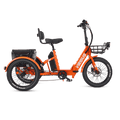


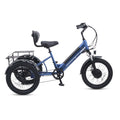
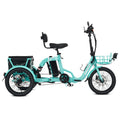

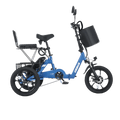







Electric Tricycle
Explore our premium electric tricycle lineup, designed for effortless commuting and leisurely rides. Viribus offers exceptional value for money. Find the perfect electric three wheel bikes for your lifestyle today!
Filters
6 products
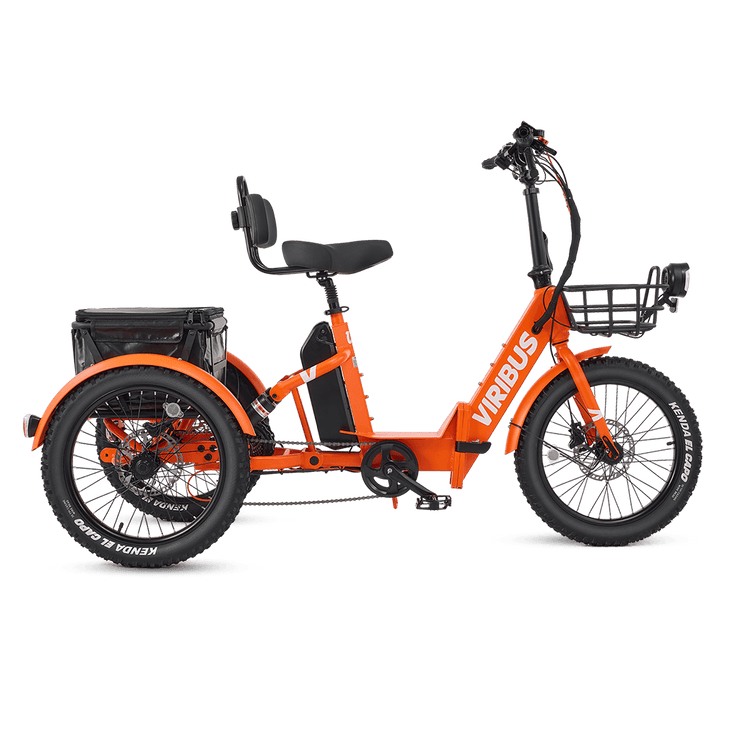
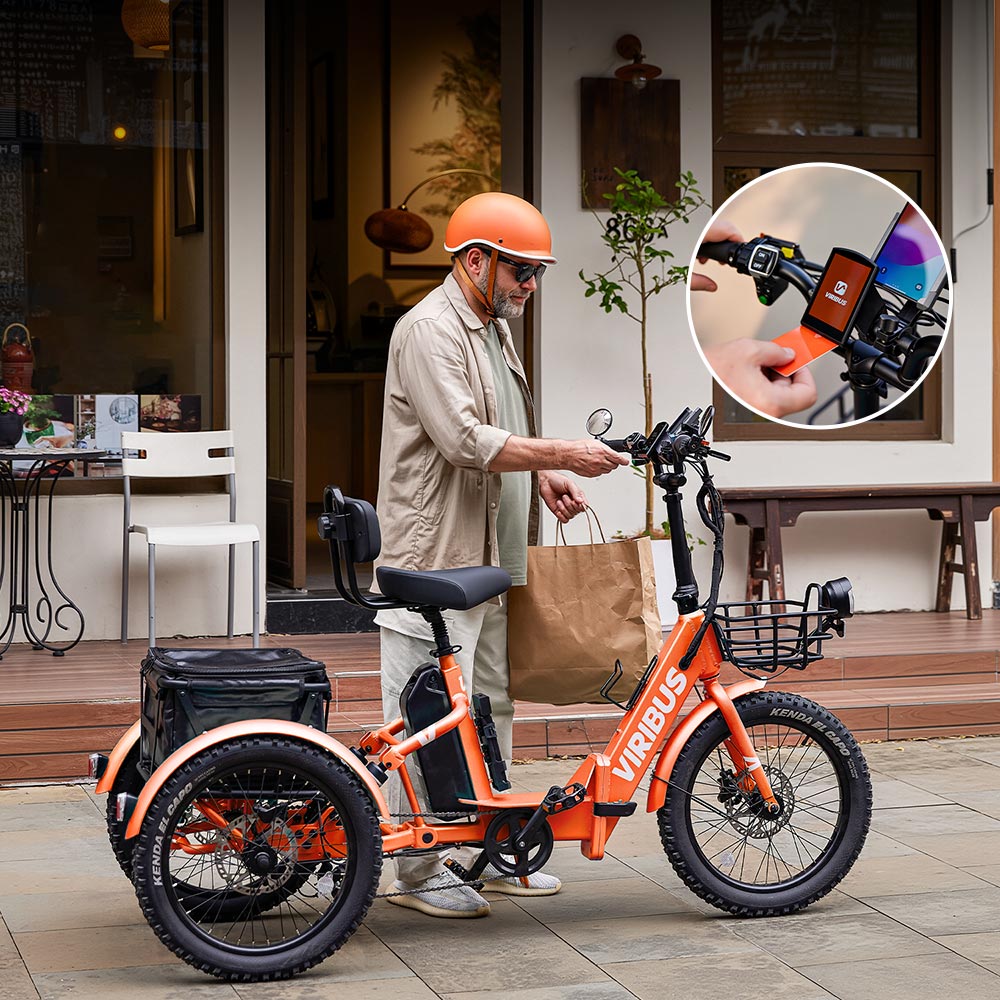
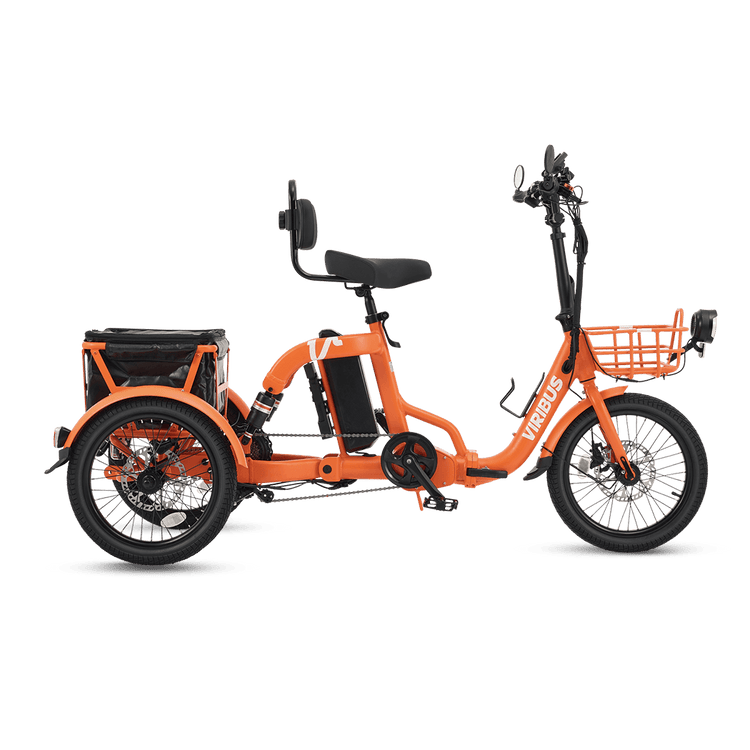
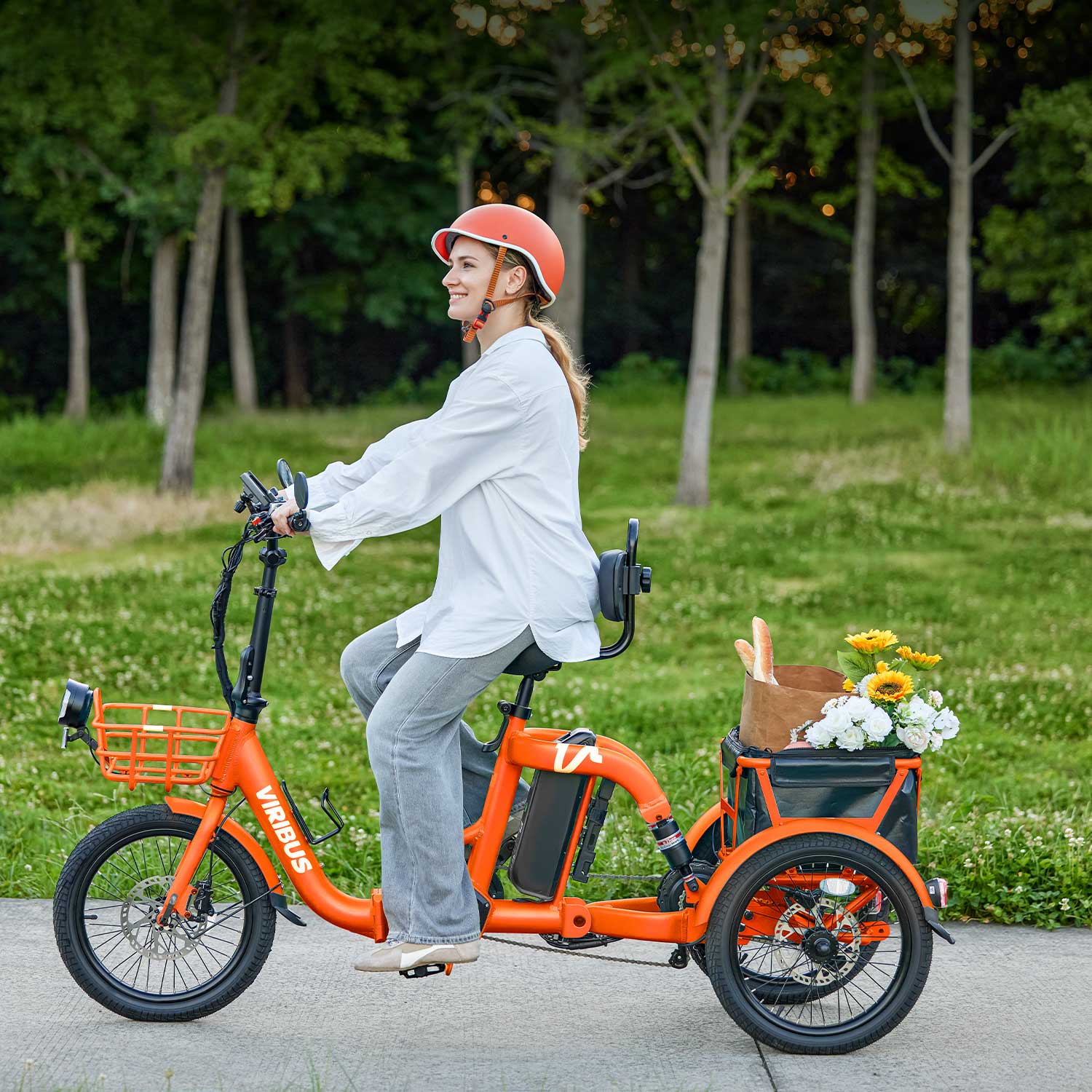
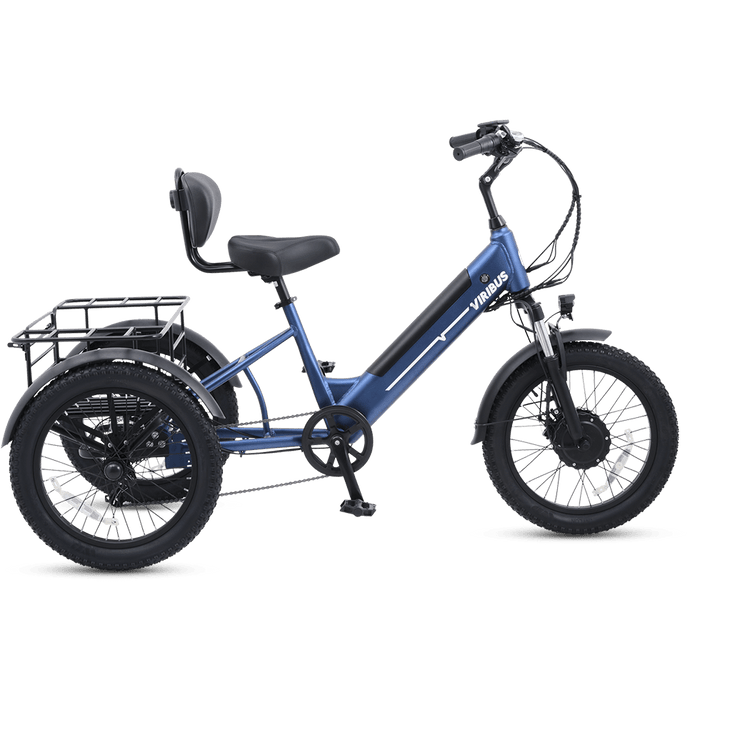
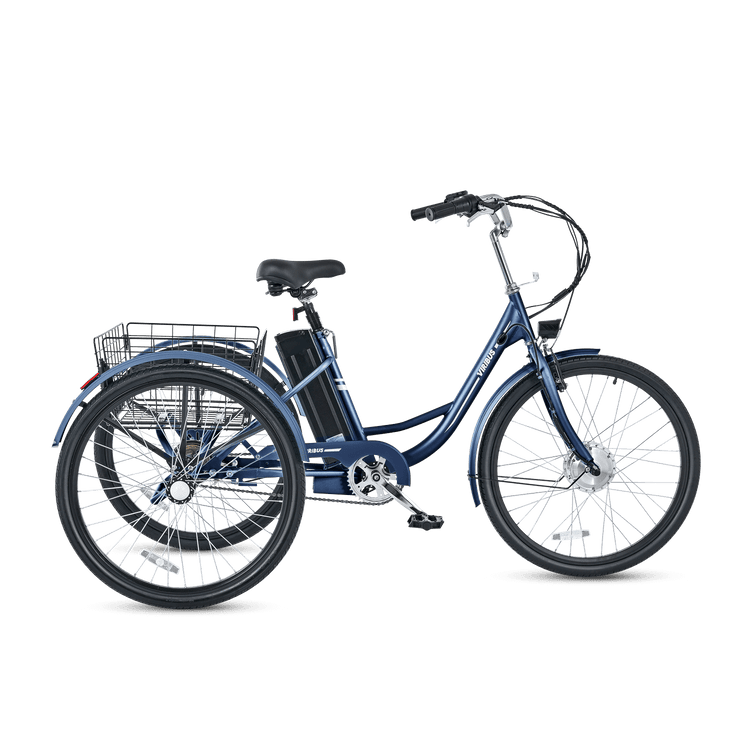

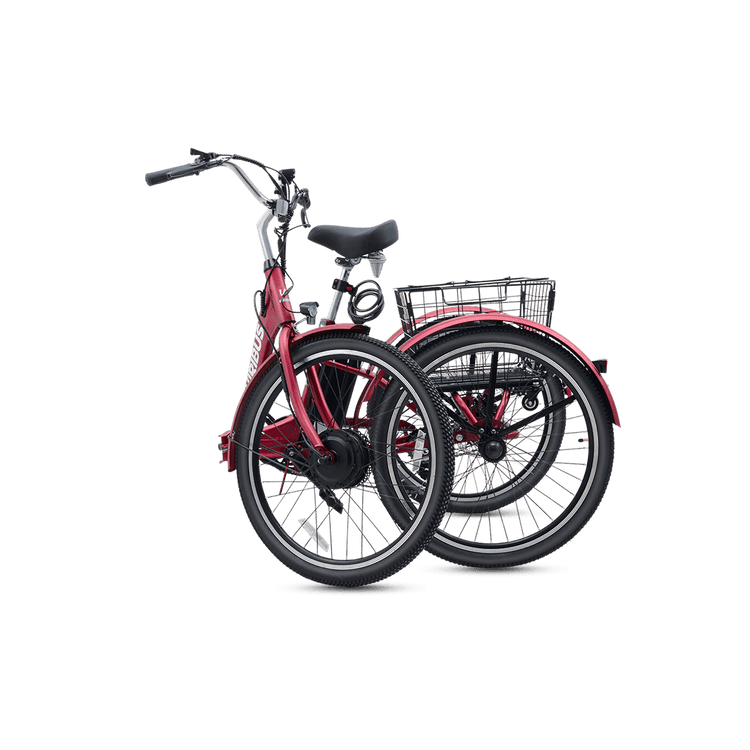
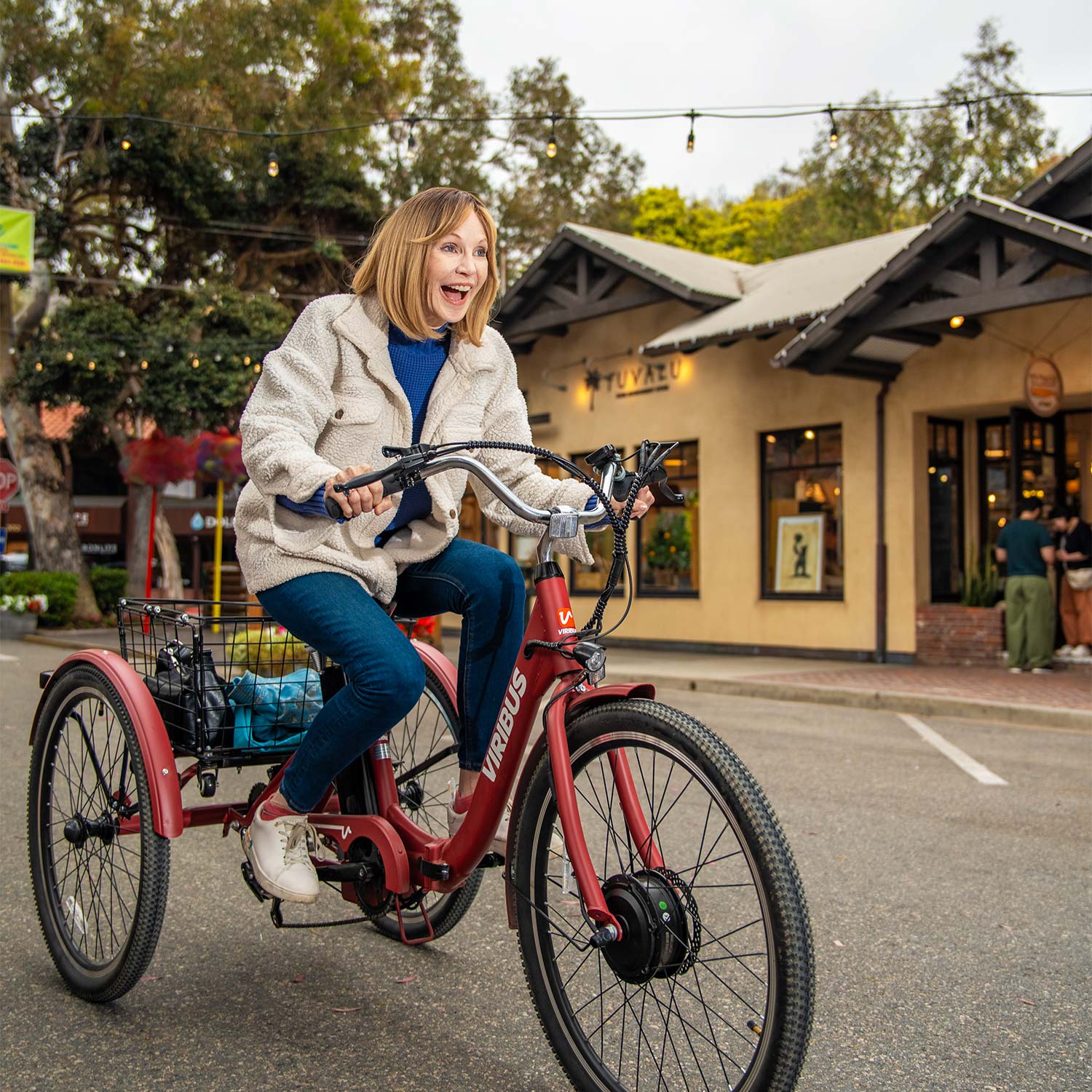
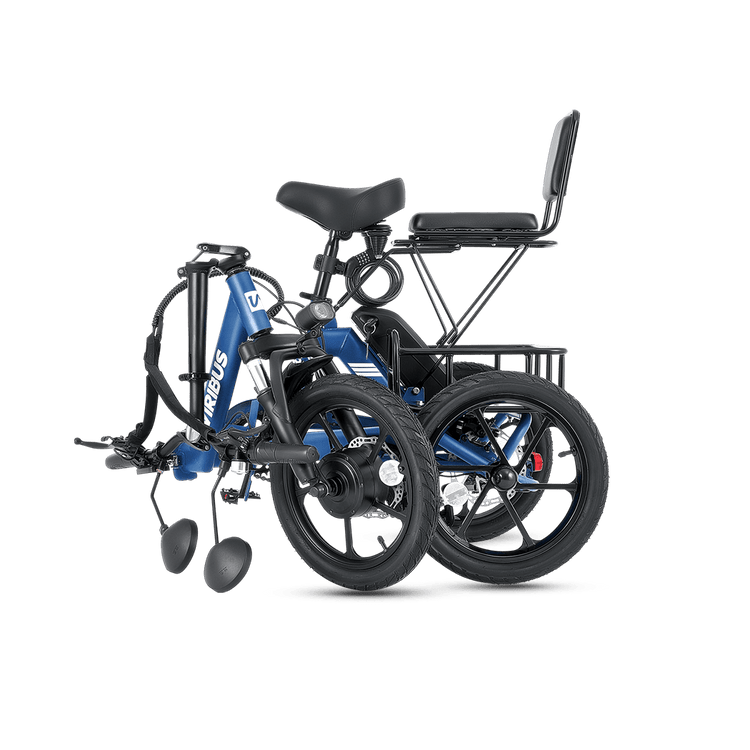

Compare Electric Trike
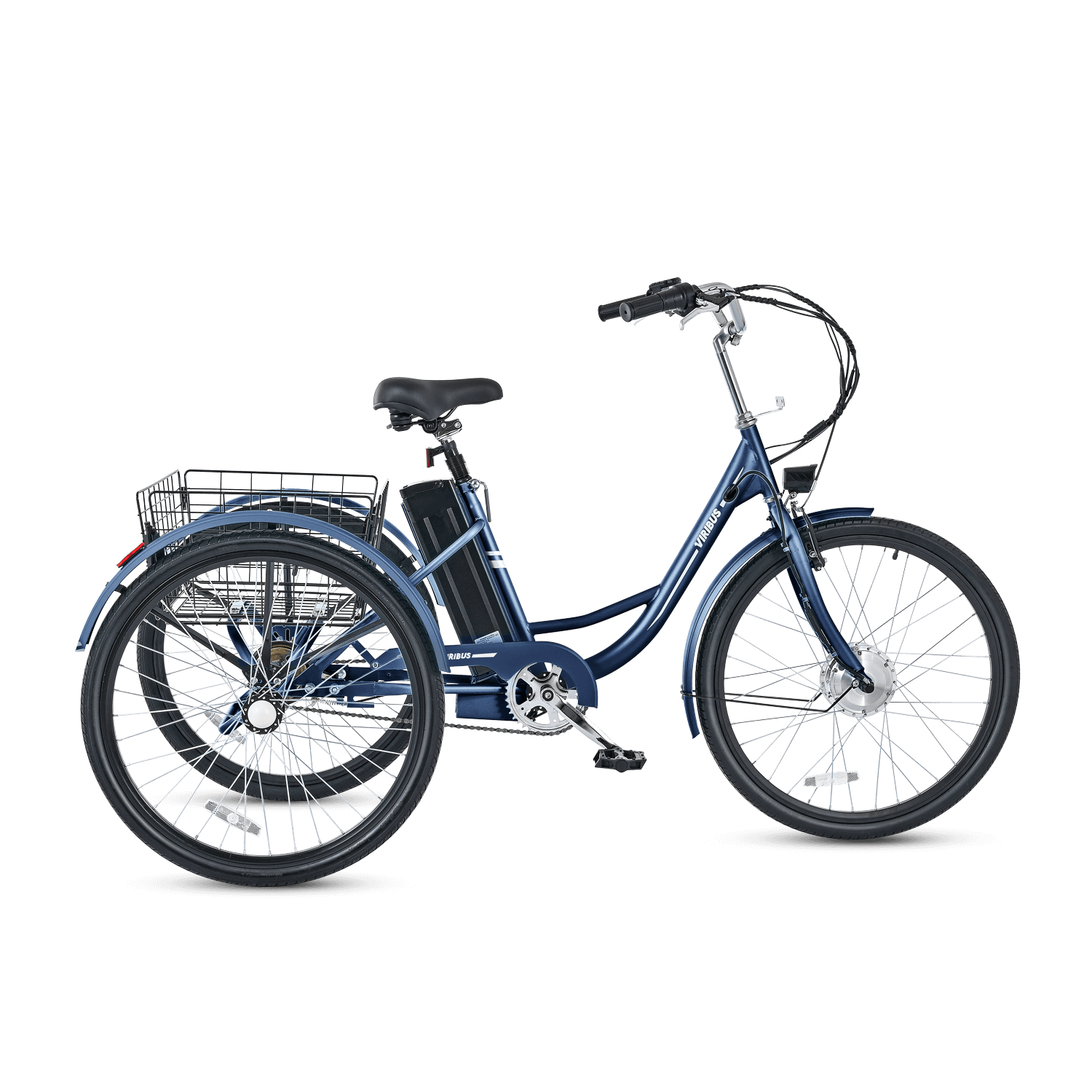
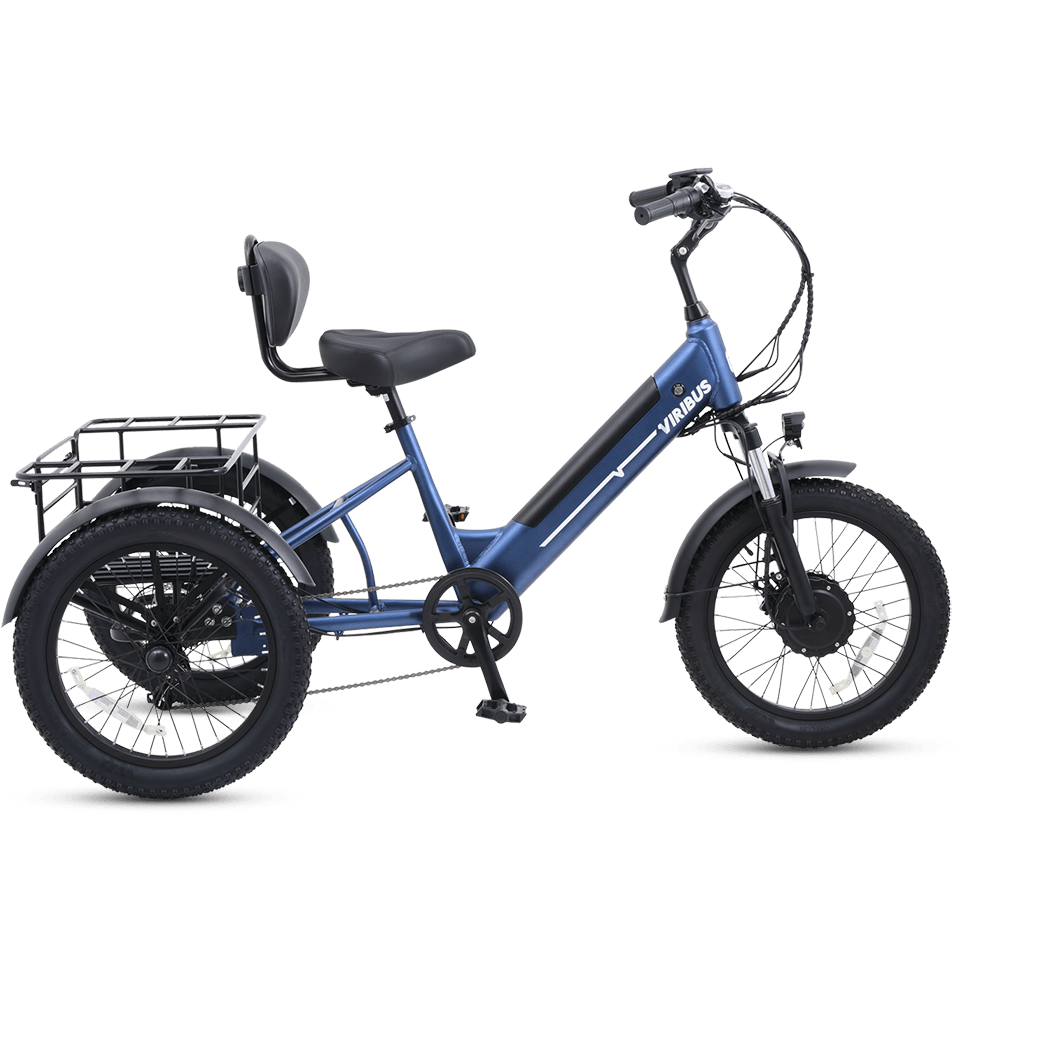
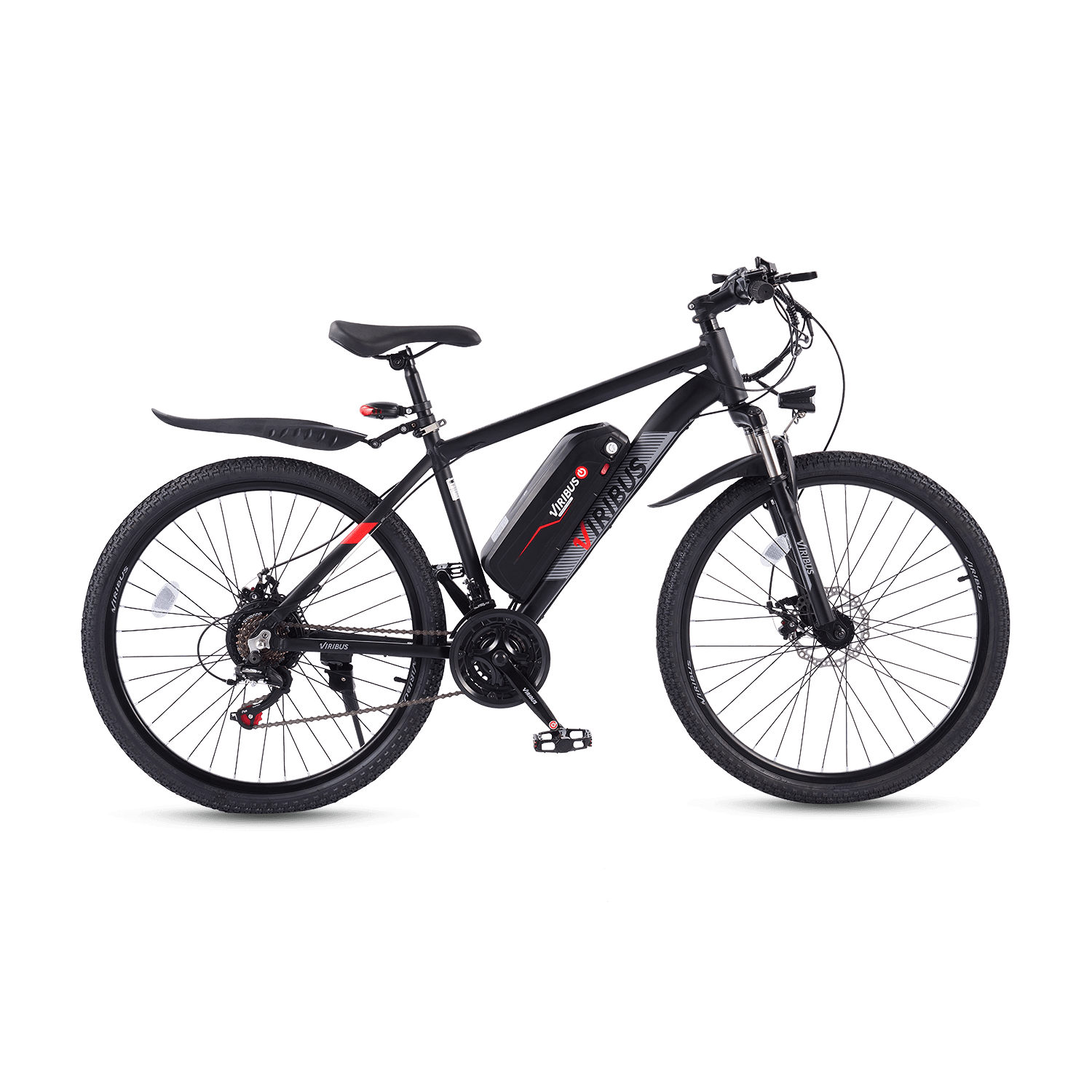
250/350W
500W
350W
36V 13Ah / 48V 13 Ah - certified per UL standards
48V 15A, automotive-grade large battery cell
48V 10.4Ah high-tech lithium battery
33 - 38.5 mi.
38+ mi.
20 - 40 Miles
1 / 7 Speed
7 speed
Shimano, 21-speed
UL 2271 2289
No
No
15.5 mph
20 Mph with throttle, 24 Mph with pedal
20 Mph with throttle, 24 Mph with pedal
w/o
w/
w/
w/
w/
w/o
About 3 Wheel Electric Bicycle
See Real Rider Experiences
Hear directly from riders who have embraced the stability and power of their Viribus 3 wheel electric bicycle (E-Trike):
"This trike changed everything for my bad knee! I've been struggling with leg problems for years and gave up on two-wheeled biking ages ago. The electric three wheel bikes assist feature does all the work when my leg gets tired, and the three wheels mean I never worry about balance. Now, I'm back to riding to the grocery store and cruising around the neighborhood. Seriously, if you've got mobility issues, this E-Trike will give you your freedom back!"
"The perfect e trike for all ages! I did a lot of research, and the Viribus model was the clear winner in its price range. The ride is incredibly smooth, and the baskets give you plenty of room for all my items when I run errands. It truly makes riding a pleasure!"
"At 62, getting on a regular bike was a struggle. The Viribus three wheel electric bicycles with the low step-through frame solved that instantly. The low center of gravity makes me feel incredibly stable, even on uneven sidewalks. I use it almost every day and highly recommend this brand of electric tricycle for adults!"
How to Choose an Electric Tricycle for Adults?
Choosing the right electric tricycle is an important decision that can directly affect your comfort, safety, and overall riding experience. A good electric tricycle should match your lifestyle, physical needs, and intended use. Factors such as motor power, battery range, frame design, and seating comfort all play a role in determining whether an electric tricycle is suitable for daily commuting, leisure riding, or cargo transport.
Safety and Stability
Safety and stability are essential when selecting an electric tricycle because three-wheel vehicles behave differently from bicycles, especially during turning and braking. A good electric trike should include reliable braking systems such as disc or hydraulic brakes to ensure strong stopping power in different conditions.
Stability is influenced by wheelbase width, frame balance, and tire quality. A wider wheelbase generally provides better balance, while anti-slip tires improve grip on wet or uneven surfaces. Some models also include differential systems, which help the rear wheels rotate independently for smoother and safer cornering.
Additional safety features such as lights, reflectors, and stable low-speed handling all contribute to a safer riding experience, especially in urban traffic or low-visibility conditions.
Frame Design and Material
The frame design directly affects how easy the electric tricycle is to use. Step-through frames are especially popular because they allow riders to get on and off the electric trike without lifting their legs too high, which is ideal for seniors or people with limited mobility. A low center of gravity is also important because it improves balance and reduces the risk of tipping during turns.
Material choice also matters. Aluminum frames are lightweight and resistant to rust, making them easier to handle, while steel frames are heavier but offer higher durability and load capacity. Adjustable seats and handlebars further improve comfort by allowing the electric trike to be customized to the rider’s body shape.
Seating Capacity
Electric tricycles come in different seating configurations depending on usage. The most common type is a single-seat model designed for personal travel, offering simplicity and efficiency. Some electric trikes are designed for two adults or a rider plus passenger, which requires a longer frame and stronger stability system.
There are also cargo-focused designs where seating is combined with large storage areas. When considering seating capacity, comfort, seat cushioning, and back support are just as important as space. A well-designed seat can significantly improve long-distance riding comfort and reduce fatigue.
Who the Rider Will be
When choosing an adult electric tricycle, the first factor to consider is the rider. Different users have very different needs, so the design and specifications should match the person who will actually be riding it.
For example, seniors or beginners usually benefit from a stable, easy-to-mount step-through frame with a comfortable seat and upright riding position. On the other hand, heavier riders or those carrying loads need a stronger frame and higher weight capacity to ensure durability and safety.
It’s also important to think about height, weight, and physical condition. A properly matched trike will feel easier to control, reduce strain on the body, and improve overall riding confidence, especially during starts, stops, and turns.
Read More: Find the Best Tricycle For Every Age
The Purpose of the 3 Wheel Electric Trike
The intended use of the electric tricycle plays a major role in determining the right model. If the electric trike is mainly for leisure, comfort and smooth riding experience are more important than speed or power. For daily commuting, however, you’ll want a model with longer battery range, reliable performance, and weather-resistant features.
Read More: 3 Best Electric Tricycles For Commuting
If the electric trike is used for cargo or shopping, then storage capacity, rear racks, and motor torque become key considerations. Some users may also need passenger-carrying options, which require a more stable frame and stronger braking system. Defining the purpose clearly helps avoid paying for unnecessary features or choosing a model that cannot meet daily demands.
Motor Power and Battery Range
Motor power determines how strong the electric tricycle feels during acceleration and uphill riding. Most electric tricycles range from around 250W for light use to 750W or more for heavy-duty performance. Lower wattage models are suitable for flat roads and casual riding, while higher wattage motors are better for hills, heavier riders, or cargo transport.
Battery range is equally important because it defines how far you can travel on a single charge. Most models offer between 30 to 60 miles depending on battery size, terrain, and riding style. A larger battery provides more freedom but also adds weight. Ideally, you should choose a battery that exceeds your daily travel needs by at least 20–30% to avoid frequent charging and range anxiety.
Who Needs a 3 Wheel Electric Bike?
A 3-wheel electric bike is designed for people who want more stability, comfort, and carrying ability than a traditional two-wheel e-bike. It is especially useful for riders who value safety, balance, and practicality in everyday transportation.
Seniors and Older Adults
Electric tricycles are one of the most popular choices for seniors because they offer excellent stability and easy control. Unlike regular bikes, they do not require balancing, which reduces the risk of falling. Many models also feature step-through frames, upright seating, and pedal assist systems, making riding more comfortable for aging joints and reduced strength.
They are ideal for errands, short rides, and maintaining independence without relying on a car or public transport.
People with Balance or Mobility Issues
Anyone who has difficulty balancing on two wheels—whether due to injury, medical conditions, or reduced coordination—can benefit from a 3-wheel electric bike. The stable three-wheel structure allows riders to stop, start, and ride at low speeds without tipping over, making it a safer mobility solution.
Commuters and Urban Riders
For city travel, commuter electric tricycles offer a practical alternative to cars or scooters. They are especially useful for short-distance commuting, school runs, and errands, where stability at traffic lights and slow speeds is important. Riders who want a stress-free, easy-to-control ride in traffic often prefer electric trikes over traditional bicycles.
Grocery Shoppers and Everyday Errand Users
People who regularly carry bags, groceries, or packages benefit greatly from the large cargo space available on many electric trikes. The extra wheel provides better balance when carrying weight, making shopping trips easier and safer without worrying about tipping or instability.
Light Cargo and Delivery Users
Small business owners, couriers, and local delivery riders also use 3-wheel electric bikes for eco-friendly short-distance transport. Their higher load capacity and stability make them suitable for carrying goods such as food, parcels, or supplies in urban areas.
Leisure Riders and Casual Cyclists
Some people simply prefer a relaxed riding experience. Electric tricycles allow riders to enjoy parks, neighborhoods, or scenic routes without the physical strain of balancing or intense pedaling. This makes them ideal for recreational and low-impact outdoor activity.
Different Types of 3 Wheel Electric Tricycles
Electric tricycles come in several different designs, each built to suit specific riding needs such as commuting, cargo transport, comfort, or accessibility. Understanding the types of electric tricycles helps you choose a model that best fits your lifestyle and intended use.
1. Fat Tire Electric Tricycle
Fat tire electric trikes are built for off-road and rough terrain riding, such as sand, snow, gravel, or uneven paths. The oversized tires provide extra grip and shock absorption, making the ride more stable and comfortable in challenging environments.
2. Recumbent Electric Tricycle
Recumbent electric tricycles feature a laid-back seating position with pedals in front, offering excellent comfort and reduced strain on the back and joints. They are often chosen by long-distance riders or people who want a more ergonomic and relaxed riding posture.
3. Step-Through Electric Tricycle
Step-through electric tricycles are the most common type, featuring a low frame for easy mounting and dismounting. They are especially popular among seniors and casual riders because they are simple, stable, and easy to operate for everyday use.
4. Tadpole vs Delta Electric Tricycle
In terms of wheel configuration, E-tricycles are also divided into:
- Delta E-tricycles (1 front wheel, 2 rear wheels): more traditional, easier to mount, widely used for commuting and cargo use
- Tadpole E-tricycles (2 front wheels, 1 rear wheel): better cornering stability and handling at higher speeds
These structural differences affect stability, turning behavior, and riding feel.
5. Cargo Electric Tricycle
Cargo electric tricycles are designed for carrying goods, groceries, or even small business deliveries. They usually feature a large rear or front storage area and a strong frame to handle heavier loads safely. These models are ideal for families, delivery riders, or users who frequently transport items, as they offer high stability and excellent weight capacity.
6. Passenger Electric Tricycle
Passenger electric tricycles are built for carrying two adults or a rider plus passenger. They typically have an extended frame, reinforced structure, and a rear seat with back support. These models prioritize stability, comfort, and safety, making them suitable for couples, caregivers, or shared short-distance travel.
7. Folding Electric Tricycle
Folding electric tricycles are designed for portability and compact storage. They can be folded down to fit into car trunks, small apartments, or RVs. While they are convenient for travel and storage, they may have slightly lower load capacity compared to standard electric trikes.
Electric trikes usually come with two main riding systems: throttle mode and pedal-assist system (PAS). Both help power the electric trike, but they work in very different ways and suit different riding styles.
Throttle Electric Trikes
Throttle mode allows the electric trike to move without pedaling, similar to a scooter. You simply press a thumb or twist throttle, and the motor provides all the power needed to move forward. This option is especially useful when you want to rest, start from a complete stop, or ride without physical effort.
It is often preferred for short trips, stop-and-go traffic, or riders with limited mobility. However, using throttle only can drain the battery faster compared to assisted riding.
Pedal-Assist (PAS) Electric Trikes
Pedal-assist requires the rider to pedal in order to activate the motor. Once you start pedaling, the motor automatically provides additional power to make pedaling easier. Most systems allow you to choose different assistance levels, from light support to strong boost.
PAS feels more like traditional cycling but with much less effort. It is ideal for longer rides, exercise, and improving battery efficiency since the motor only works when you pedal.


FAQ
An electric trike is better than a regular e-bike when you prioritize stability, safety, and carrying capacity, while a regular e-bike is better for speed, agility, and efficiency.
Yes, two adults can ride an electric tricycle safely, but only if the e tricycle is specifically designed for passenger use. Electric trikes designed for two adults usually feature a reinforced frame, extended wheelbase, and stronger motor system (often 500W–750W or higher). They also include a properly designed rear passenger seat with back support, and in some cases armrests or safety belts to improve comfort and stability.
Whether you must wear a helmet on an electric tricycle depends on where you live, the electric trike’s speed classification, and local traffic laws.
In many parts of the United States, 3 wheel electric bikes that are classified as low-speed e-bikes (typically under 20–28 mph depending on the state) do not legally require a helmet for adults. However, some states or cities still recommend or require helmets, especially for riders under a certain age (often under 16 or 18).
The best electric bike for an elderly person is usually an electric tricycle, because it offers the highest level of stability and safety, making it the easiest and most confidence-friendly option for older riders.
Yes, an electric tricycle can go uphill, but its performance depends on motor power, battery strength, rider weight, and terrain steepness.
Yes—3-wheel e-bikes are a strong option for seniors because they are stable, easy to use, comfortable, and supportive of low-impact exercise, making everyday riding safer and more accessible.
No, you don’t always have to pedal an electric tricycle. Most e-tricycles come with two riding modes: pedal-assist and throttle, giving you flexibility depending on how you want to ride.
In pedal-assist mode, you do need to pedal, but the motor automatically helps by adding extra power. This makes pedaling much easier, especially when going uphill or carrying heavy loads, while still giving you a more traditional cycling experience.
In throttle mode, you do not need to pedal at all. You simply use a thumb or twist throttle, and the motor powers the 3 wheel electric bike forward on its own, similar to a scooter.
One of the main disadvantages of electric tricycles is larger size and heavier weight. Compared to regular bicycles or even e-bikes, 3 wheel electric bikes are bulkier and harder to store, transport, or lift.
Another drawback is lower speed and less agility. Because of their three-wheel design and focus on stability, 3 wheel electric bikes are generally slower and less maneuverable than two-wheel bikes. They can also feel less smooth when making tight turns, especially at higher speeds.
In most cases, yes—electric tricycles are street legal, but the rules depend on how the 3 wheel electric bike is classified and the laws in your state or city.
In the United States, many 3 wheel electric bikes are regulated similarly to electric bikes, especially if they meet certain limits such as:
- Motor power typically under 750W
- Maximum assisted speed around 20–28 mph
- Equipped with functional pedals (for pedal-assist models)
If a 3 wheel electric bike meets these standards, it is usually allowed on public roads, bike lanes, and multi-use paths, depending on local regulations.
No, Medicare does not cover electric tricycles (e-trikes). Even though they may help with mobility, they are not classified as durable medical equipment (DME) under Medicare rules, which means they are not eligible for reimbursement or coverage.
Electric trikes offer a wide range of benefits that make them a practical and comfortable transportation option for many riders. One of the biggest advantages is stability—with three wheels instead of two, riders do not need to balance, which makes starting, stopping, and riding at low speeds much safer and easier. This is especially helpful for seniors, beginners, or anyone with balance concerns.
Another key benefit is reduced physical effort. Thanks to pedal-assist and throttle options, an electric trike helps reduce strain on the legs and joints while still allowing the rider to stay active. This makes longer rides, uphill routes, and daily errands much less tiring compared to a traditional bicycle.
Electric trikes also provide increased carrying capacity, with many models designed for groceries, cargo, or even a passenger. Combined with their electric motor support, this makes them highly practical for shopping trips or light deliveries.
An electric tricycle works by combining a rechargeable battery, an electric motor, and a control system to assist or fully power the ride.
When the rider pedals or uses a throttle, the battery sends energy to the motor, which helps turn the wheels and reduces the effort needed to move the electric trike. Most models offer pedal-assist, where the motor boosts your pedaling power, or throttle mode, where the electric trike moves without pedaling.
A built-in controller manages how much power is delivered based on speed, rider input, and selected assistance level, making the ride smoother, easier, and more efficient, especially on hills or when carrying heavy loads.
Most electric trikes speed are between 12 and 20 mph (20–32 km/h), which is the optimal range for safe and stable riding. Higher speeds are possible in premium models, but comfort and control remain the top priorities for this type of vehicle.
The average price of an electric tricycle varies depending on its motor power, battery size, build quality, and intended use. In general, most electric trikes fall within a wide price range of about $800 to $3,000, with more advanced models costing even more.