


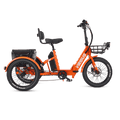


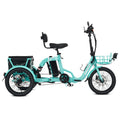



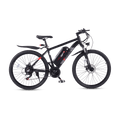




“Trike bike” is just a short word for “tricycle”: a three-wheeled cycle that is designed to provide greater stability, balance, and rider confidence than a standard two-wheeled bicycle. The term “trike bike” has recently gained popularity because a trike bike is essentially a tricycle, yet also shares some similarities with a regular bicycle.
- “Trike” refers to the fact that a trike bike has three wheels, and therefore is a tricycle.
- “ Bike” refers to the fact that, just like regular bicycles , a trike bike can either be pedal-powered or even folding.
So, a trike bike is a tricycle (trike), but in nature and use, it shares some similarities with a bike, hence the appellation “trike bike”. Most adult trike bikes are pedal-powered or electric-assisted and are built specifically for comfort, safety, and ease of use.

What are the Key Features of a Trike Bike?
The main differences between a trike bike and a regular bike are noticeable at first glance. That is because the following features are unique to trike bikes:
- Three wheels instead of two, which eliminates the need to balance
- A wide, stable stance that reduces the risk of tipping
- A lower center of gravity (step-through frames), making mounting and riding easier
- An upright riding position that’s easier on the back, neck, and joints
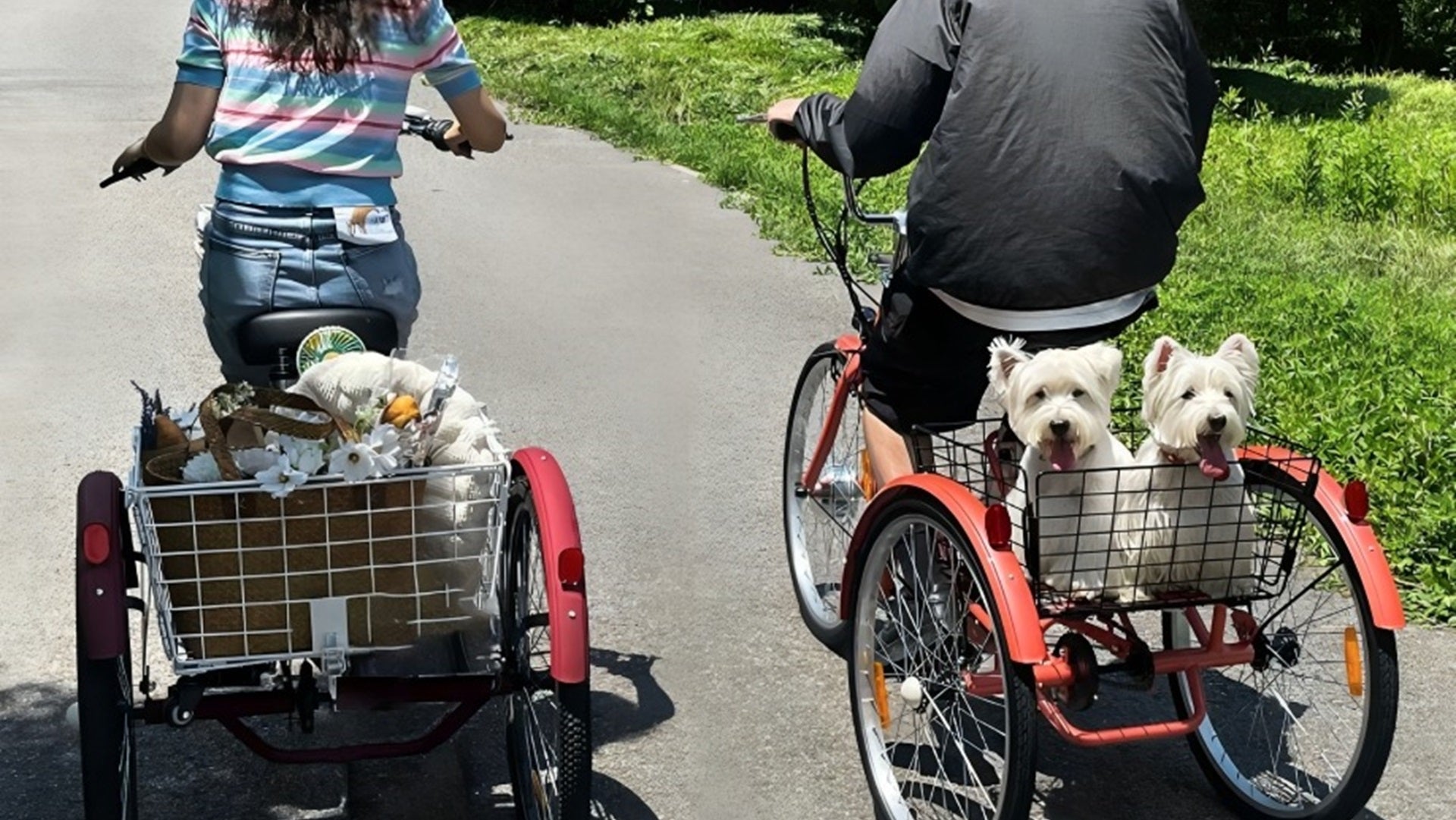
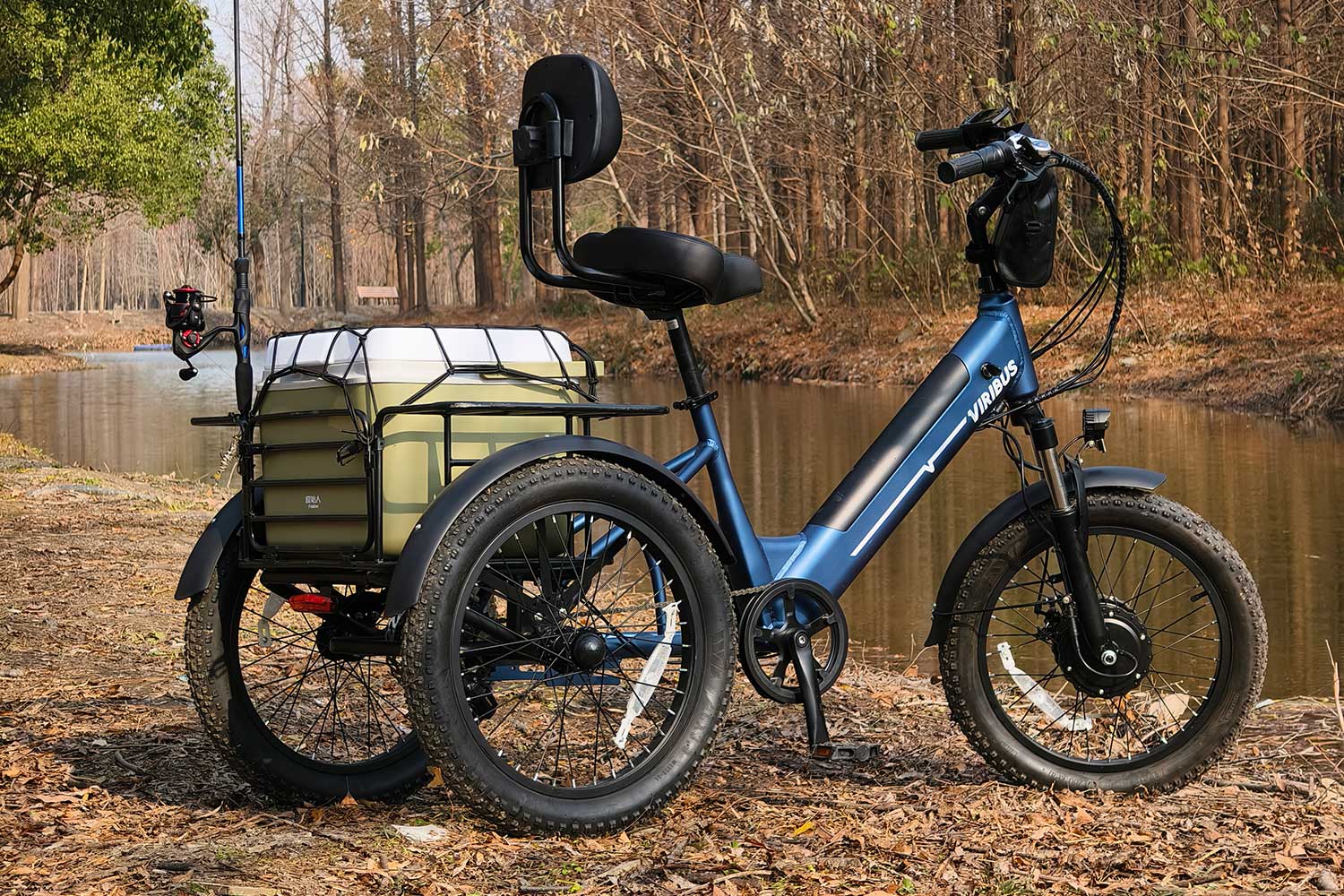
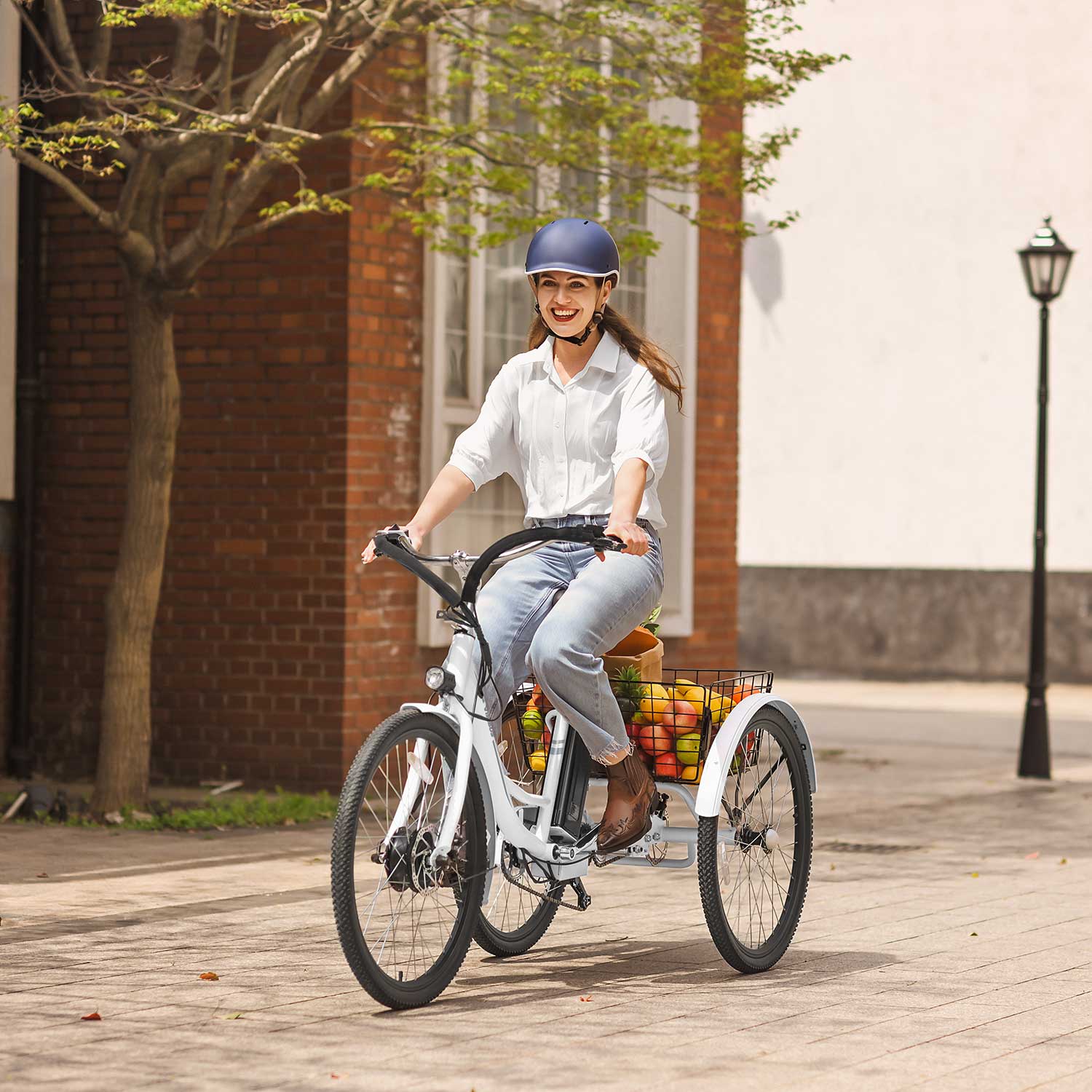
- Often, built-in storage, like rear baskets for groceries or personal items
Unlike traditional bicycles, trike bikes are not risky for riders who have balance issues, joint pain, or limited mobility. They are built for real-life adult riders, not athletic performance.
Also, trike bikes are not motorcycles either: they do not require a license in most states, don’t rely on fuel, and are far slower and safer for everyday use. That is what makes them trike bikes.
Types of Trike Bikes
Not all trike bikes are the same. There are four prominent types of trike bikes, generally classified based on how they are powered (pedal vs. electric trike bikes), whether or not they are foldable (foldable vs. non-foldable trike bikes), and riding position (regular vs. recumbent trike bikes).
1. Upright Adult Trike Bikes (Traditional Tricycles)
Upright trike bikes are the most common and recognizable types of trike bikes for adults because they are essentially traditional adult tricycles.
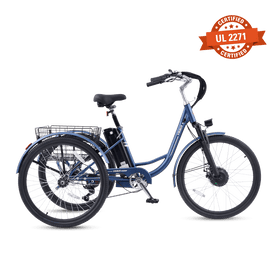
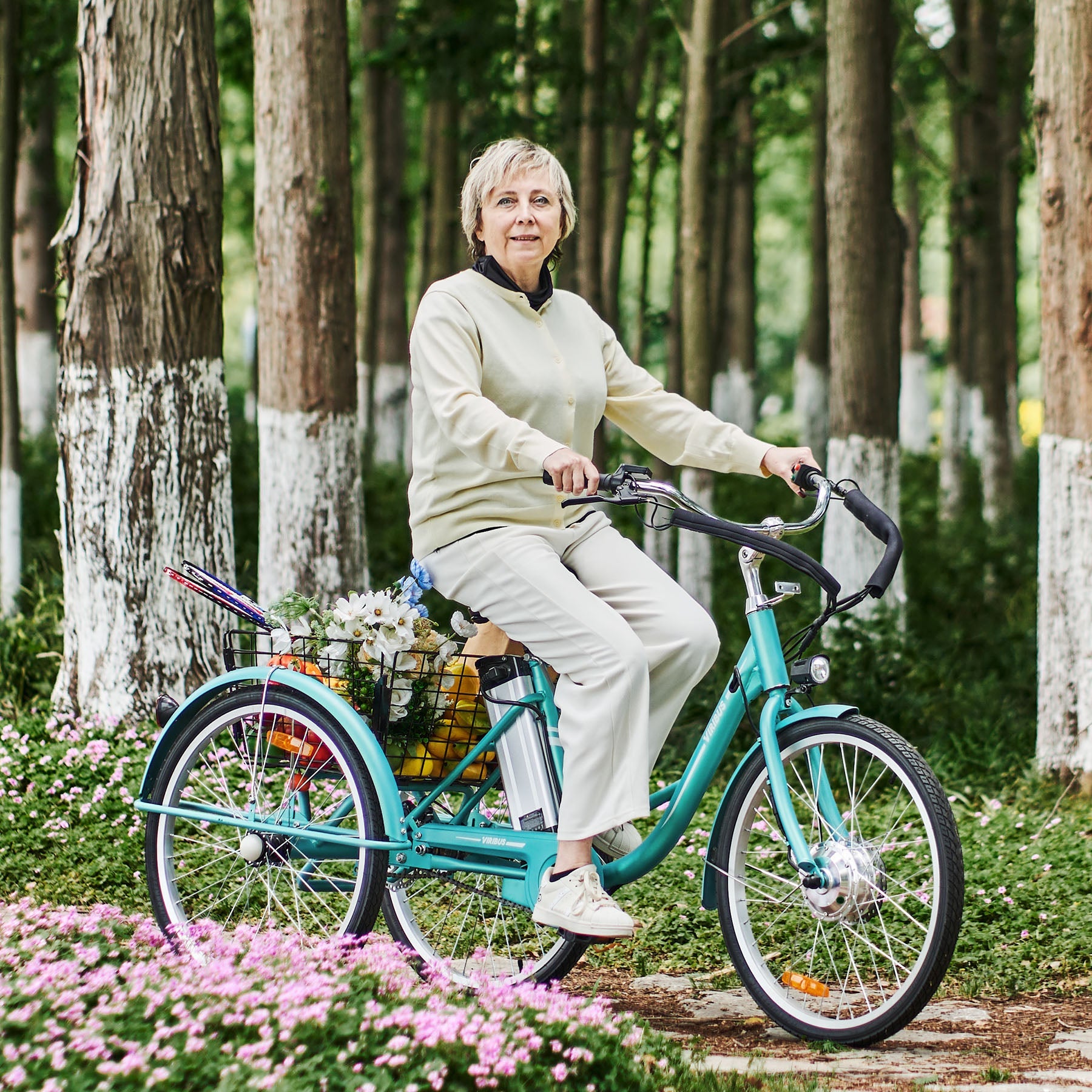
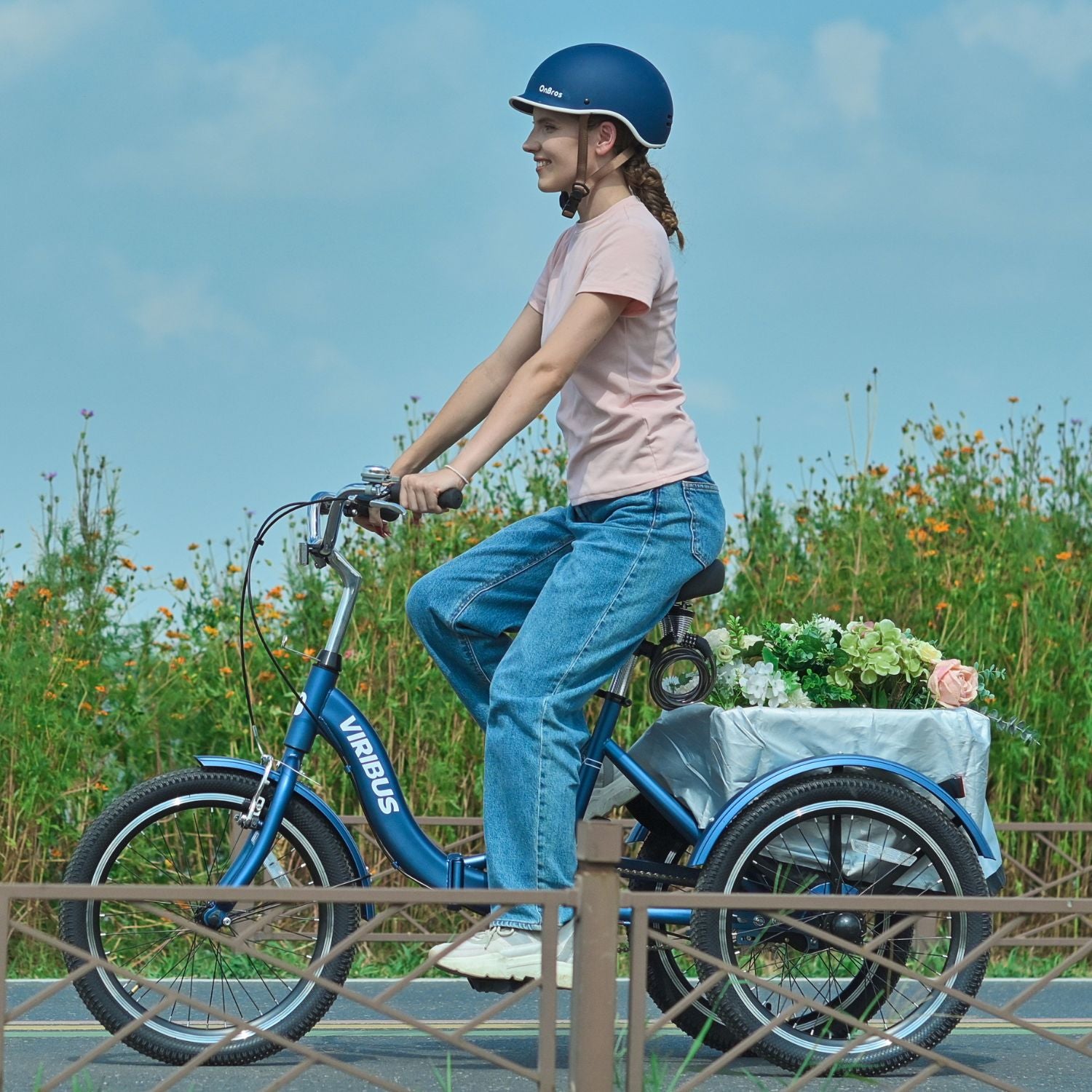
They are usually pedal-powered, feature two wheels in the back (one in the front), a wider seat, and front handlebars that are laid back, and they usually have large rear baskets for storage and transport of items.

Viribus's trike bikes, most especially the VB1 City Adult Tricycle with Dual Baskets, are designed for extra stability and practical daily use for adults, which is why they usually feature large baskets and are designed for comfort.
Advantages of Upright Trike Bikes
- Extremely stable at low speeds: perfect for elderly riders.
- Easy to get on and off.
- Can stop and start without worrying about balance.
Upright trike bikes are designed for two categories of riders: elderly riders, adults with balance concerns, and anyone who wants a comfortable way to ride around the neighborhood, run errands, or stay active without fear of falling.
2. Recumbent Trike Bikes
Recumbent trike bikes place the rider in a reclined, seated position, with pedals out in front. The main feature of a recumbent trike bike is its low, reclined seat with back support.
They are riders with chronic back pain, joint issues, or mobility limitations who still want to ride longer distances comfortably.
Advantages of Recumbent Trike Bikes
- Minimal strain on the lower back, neck, and wrists
- Excellent stability, even at higher speeds
- Comfortable for longer rides
Recumbent trike bikes are also relatively faster, and excel in trail riding and exercises. The only setback with recumbent bikes is that they are less ideal for stop-and-go errands. This means they cannot be very suitable for daily use, which is highly prioritized by elderly riders.
3. Electric Trike Bikes (E-Trike Bikes)
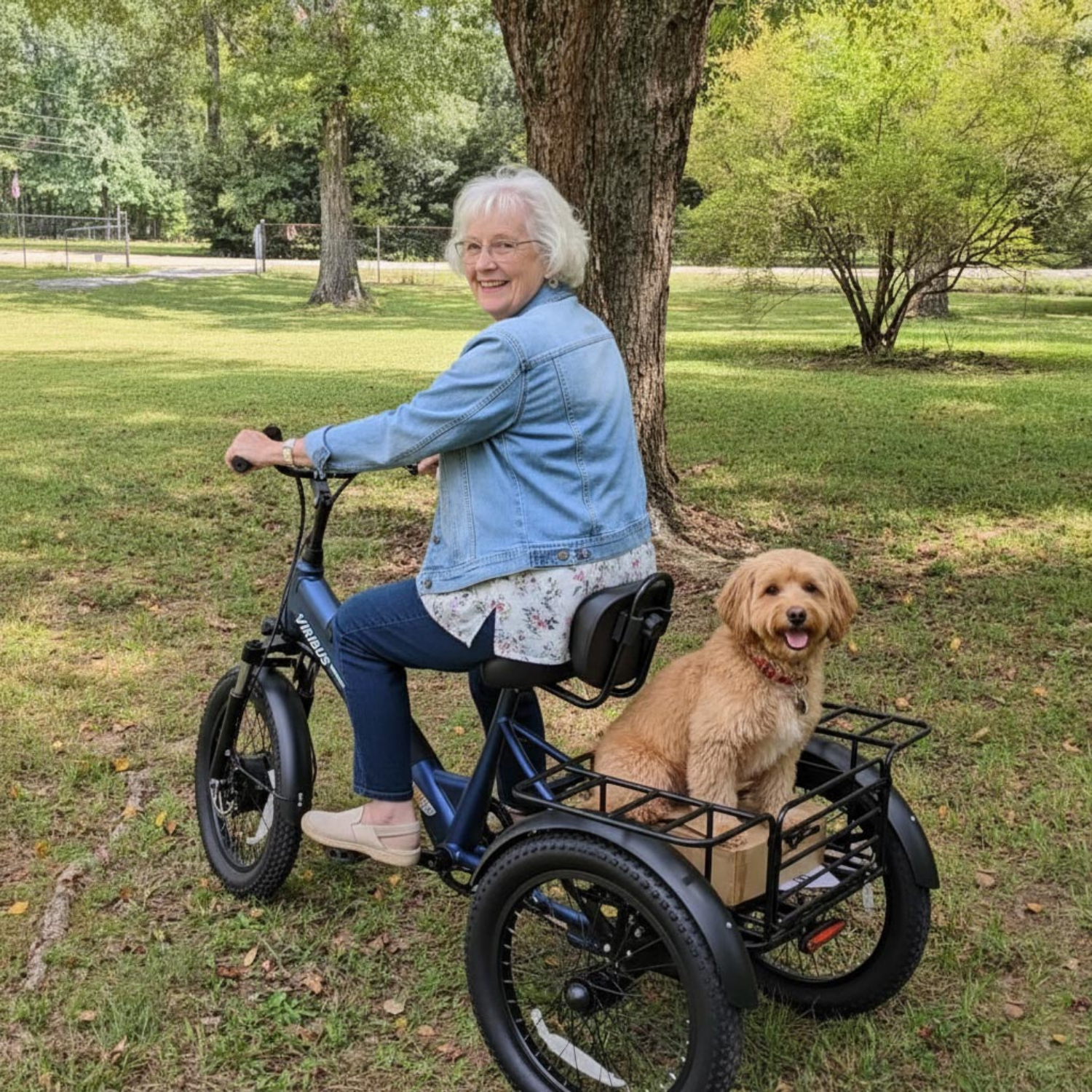
Electric trike bikes are also known as e-trike bikes, and they are upright tricycles that have a battery-powered motor that assists pedaling. Motor power for an electric trike bike usually ranges from 250W to 500W, and may even reach peak performance of 7500W in advanced models like the SC5 Fat Tire Electric Trike.
Key features of Electric Trike Bikes
- Pedal-assist or throttle-assisted motor, or both.
- Powerful and rechargeable battery
- Often includes multiple speed and power levels

Advantages of Electric Trike Bikes
- The motor power and pedal assist make hills and longer distances manageable and less physically demanding for the riders. The Viribus SC1 can climb hills up to
- The upright riding position and electric assistance reduce knee and joint strain, especially over longer distances.
- The motor power determines how long and how far a rider can ride. The SC1 can reach up to 45+ miles per charge.
E-trikes are perfect for elderly riders who still want independence but may lack the strength or stamina to pedal unassisted. They’re also ideal for riders recovering from injury or dealing with fatigue.
4. Folding Trike Bikes
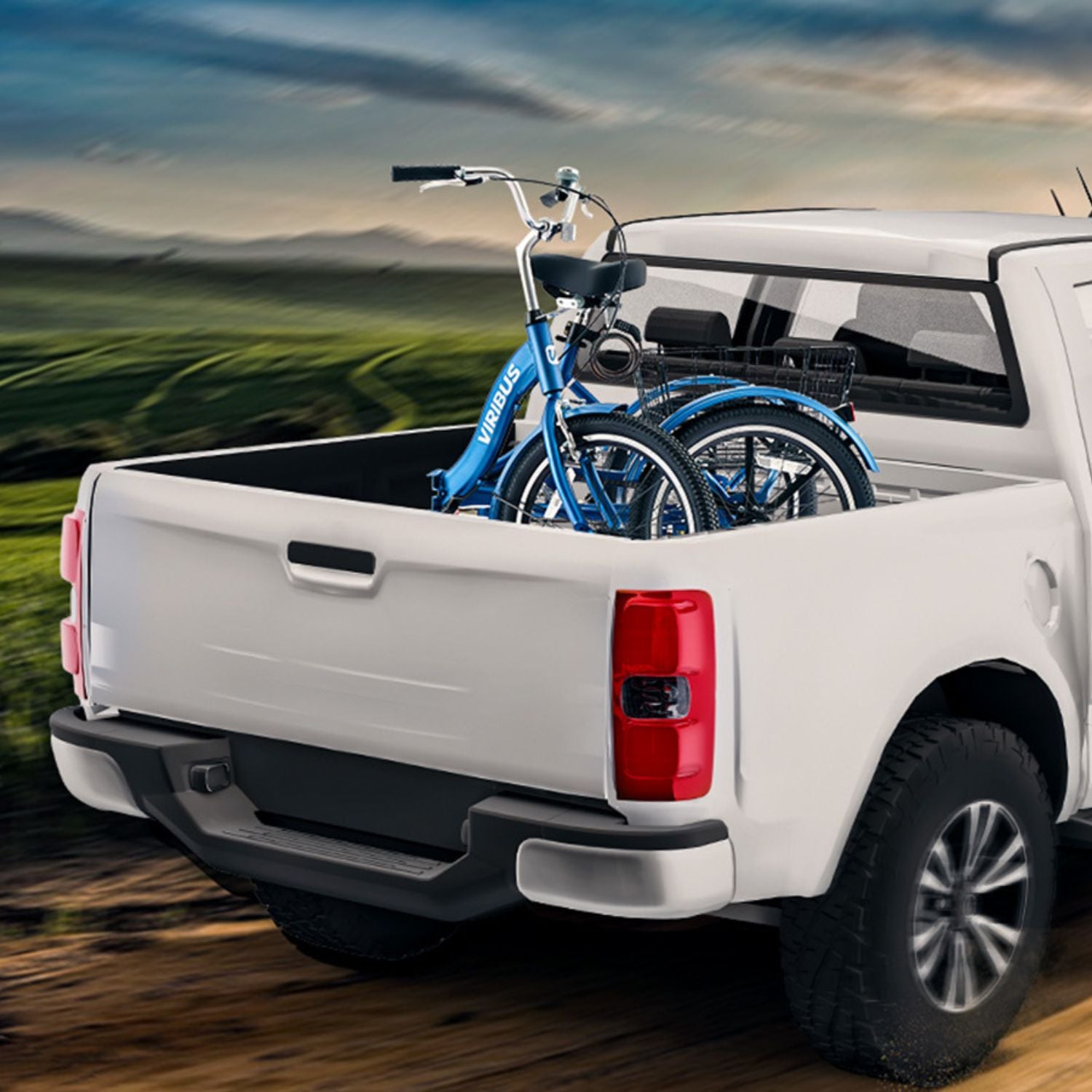
Folding trike bikes are trike bikes that are designed to collapse for easier storage and transport. They can either be regular folding trike bikes or electric folding trike bikes, but all folding trike bikes have a hinged frame that folds into two (or more), and have a more compact storage footprint.
Advantages of Folding Trike Bikes
- Easier to store in small garages or apartments
- Can be transported in larger vehicles
- Convenient for travel or seasonal use
Folding trikes work best for riders who have limited storage space or need to transport their trike occasionally, though they may sacrifice some durability compared to full-size models.

Viribus's latest folding trike bike, the FC1 Folding Electric Tricycle, combines the best features of traditional trike bikes, electric trike bikes and folding trike bikes to create a single high-performing, folding trike bike that can reach over 35 miles per charge, travel at up to 20MPH, and provide enough pedal assist to easily climb inclines over 15°.
Best Trike Bikes for Elderly Riders
| Elderly Rider Age | Primary Purpose | Recommended Type of Trike Bike | Recommended Viribus Model |
|
40-70 |
Run errands or stay active without fear of falling. | Upright Trike Bike | VB1 City Adult Tricycle with Dual Baskets |
| 40-55 | Exercise, trail riding, and adventure | Recumbent Trike Bike | N/A |
| 60+ | For exercise and assisted pedalling over long distances | Electric Trike Bike | SC5 Fat Tire Electric Tricycle |
| 40-70 | For daily use, riding long distances, and easy storage | Folding Trike Bike | FC1 Folding Electric Tricycle |
How to Choose the Right Trike Bike for an Elderly Rider
When choosing a trike bike for an older adult, prioritize comfort, stability, and ease of use over speed or style. Focus on:
- Low step-through frames for easy mounting
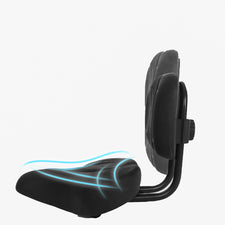
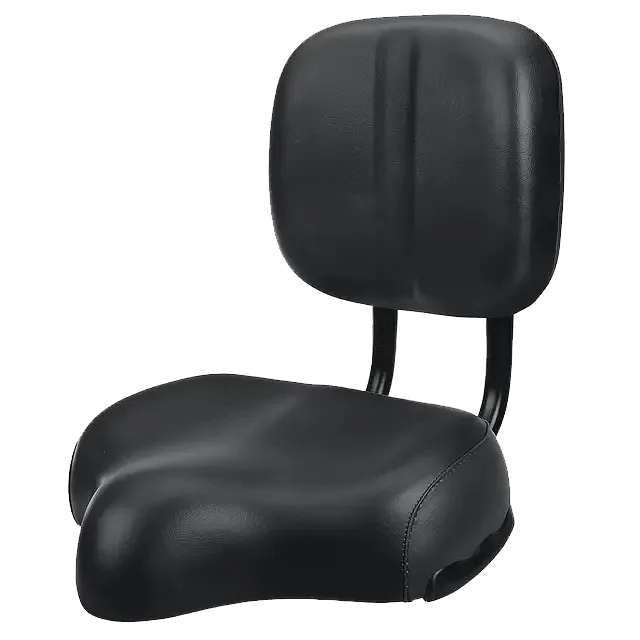
- Wide, padded seats with back support
- Simple gearing or electric assist
- Reliable brakes that don’t require much hand strength
- Stable wheelbase to prevent tipping
If the rider struggles with hills or fatigue, an electric trike is often worth the investment. If balance is the main concern, a traditional upright trike is usually the safest starting point.
Who Are Trike Bikes For?
Despite the regular misconceptions about tricycles, a trike bike is not a downgrade from a bicycle or motorcycle. They’re a smart adaptation designed for riders with different riding preferences and needs.
Trike bikes are specifically designed and made with special features for the following categories of riders and/or bikers:
Trike bikes are ideal for:
- Elderly riders
- Adults with balance issues
- Riders with knee, hip, or back pain
- Anyone nervous about falling from a two-wheeled bike
- Riders who want utility (errands, groceries, daily rides)

Why Do Elderly Riders Prefer Trike Bikes Over Traditional Bicycles?
- They are easier to ride because there is no need to balance, even at stops.
- There is a far lower risk of falls with trike bikes, which makes them safer and more reliable
- Their step-through frames make them easier to mount and dismount, which is less stressful for older riders.
- The riding posture is more comfortable and more forgiving to the body and bones, especially over longer distances.
For many adult riders, especially seniors, a trike bike isn’t just easier. It’s the difference between riding and not riding at all.
Final Words on Trike Bikes
A trike bike is not just a bicycle with an extra wheel; it’s a purpose-built solution for adult and elderly riders who want safety, independence, and comfort without sacrificing mobility.
If riding a traditional bike feels intimidating or uncomfortable, a trike bike doesn’t limit freedom; it restores it.
You might be interested in Viribus's best affordable trike bikes under $1,000.





Leave a comment
All comments are moderated before being published.
This site is protected by hCaptcha and the hCaptcha Privacy Policy and Terms of Service apply.