













If you’re commuting every day and a car just isn’t an option, between gas, insurance, parking, and maintenance, you’re not alone. Public transportation might be cheaper, but when it turns a 20-minute ride into a 90-minute ordeal, it’s simply not practical.
That’s where electric bikes and e-scooters come in. Both are affordable, efficient, and increasingly popular. But they’re not interchangeable. If you’re covering longer distances daily, the right choice matters.

1. Start With Distance: How Far Are You Traveling Daily?
The most significant factor to consider when choosing between an electric bike and a scooter is how long you intend to travel. Electric scooters are excellent for shorter distances, but the longer the distance you plan to cover, the better it is to go for an e-bike.
| One-Way Distance | Best Choice | Reason |
| Under 5 miles (8 km) | E-scooter | Works well for short, quick trips. |
| 5–15 miles (8–24 km) | E-bike | More comfortable and reliable. |
| Over 15 miles (24 km) | E-bike | Better range and comfort for long rides. |
For longer daily routes, efficiency and rider endurance matter more than top speed. Go for an ebike over an electric scooter.
2. Comfort Over Time: Standing vs Sitting
If you will be riding more than 20–30 minutes at a time, choose an e-bike over an e-scooter. Riding an ebike is also much more comfortable, and this matters especially over longer distances.
An E-scooter will require you to stand the entire ride, which may be fine for short trips, but over longer distances, it leads to:
- Foot fatigue
- Lower back strain
- Numb hands and wrists
Electric Bikes are More Comfortable Over Long Distances
With an electric bike, you can sit, pedal lightly, and shift your body position, which dramatically reduces fatigue on longer rides. If you’re commuting daily, comfort isn’t a luxury; it’s survival.
Also, having to stand on an e-scooter can be a significant discomfort at the end of the day when you are even more tired than usual. A long ride on a scooter will wear you down even more.

3. Range and Battery Reality
Another important factor to consider when deciding between an ebike and an e-scooter is the distance you can cover before your battery requires charging. Generally speaking, an ebike is much more reliable than an e-scooter because it has superior battery life and therefore a longer range.
- The real-world range of an electric scooter is usually about 10–20 miles, which is significantly less than the 30-60 miles most electric bikes offer.
- With an electric scooter, there is no pedalling backup. So, you are in a bit of a pickle if your battery runs down halfway with no help in sight.
- Also, the range of an electric scooter drops significantly if you go over hills, if the rider is heavier, and (sometimes) even in cold weather.
With an electric bike, you can pedal ahead if the battery runs low, and you might even be able to overcome significant inclines if your bike has a good motor.
Manufacturers often quote “maximum range,” but real-world commuting is different.

4. Speed vs. Efficiency
One of the areas where electric scooters are superior to electric bikes is top speed.
Some e-scooters are faster than ebikes, but it is important to remember that speed is not the same as efficiency.
- E-scooters are quicker than electric bikes, but they may struggle on hills, rough pavement, and on longer, sustained rides.
- E-bikes, on the other hand, maintain consistent cruising speeds but are capable of handling uneven roads far better.
So, while an electric scooter may give you a burst of speed, it may burn out quickly over long distances. For longer daily commutes, the steady, predictable travel of an ebike beats bursts of speed.
5. Safety and Road Presence
When you’re commuting regularly, safety matters more than portability. Electric bikes are much safer if you are riding in urban areas alongside cars or covering long urban stretches.
In addition to the fact that it has smaller wheels and is more likely to be affected by potholes and debris, an electric scooter may also be unsafe because:
- It has a smaller profile and is less visible to cars
- The braking distance is shorter on an electric scooter than on an e-bike.
An Electric Bike is More Visible
An electric bike, on the other hand, has larger wheels that absorb road imperfections, giving you a stabler ride and boosting your safety as you ride on. Also, an electric bike is comparatively safer because:
- It is larger and more visible in traffic
- The braking systems (hydraulic and mechanical) are usually more efficient than those on an electric scooter.
If you’re riding alongside cars or covering long urban stretches, e-bikes are simply safer. For shorter distances along less crowded roads, an electric scooter may be the better choice.
6. Cost: Upfront vs Long-Term Value
When comparing the price and cost of electric scooters, it is important to consider both the upfront costs and long-term costs.
- E-scooters are significantly more affordable (to buy) than electric bikes.
- However, e-scooters also wear and tear faster than electric bikes, meaning that the long-term costs of repairs and maintenance are likely to be higher over time.
- E-bikes are more expensive upfront, but more durable and versatile, and cheaper for long-term use.
If this is your primary transportation, an e-bike tends to offer better value over time. If not, then you can go with an electric scooter, which is more affordable.

7. Storage and Portability
Storage and portability, an electric scooter is far superior to an electric bike. With their smaller profile, you can store them almost anywhere. Also, it is easy to pick up your electric scooter and take it along in the metro or even a bus.
E-Bike vs E-Scooter Comparison Table
| Factor | E-Bike | E-Scooter |
| Best For | Daily, longer commutes | Short trips and last-mile travel |
| Typical Real-World Range | 30–60 miles | 10–20 miles |
| Ride Position | Seated, optional pedaling | Standing only |
| Comfort Over Long Distances | High | Low to moderate |
| Hill Performance | Strong (pedal assist helps) | Limited, battery-dependent |
| If Battery Dies | You can pedal home | Ride ends |
| Road Stability | High (large wheels) | Lower (small wheels) |
| Safety in Traffic | Better visibility and braking | Less visible, shorter braking |
| Storage Needs | More space required | Compact and foldable |
| Weather Handling | Better in the wind and on rough roads | More affected by conditions |
| Long-Term Durability | Higher | Lower |
| Overall Suitability for Long Commutes | ⭐⭐⭐⭐⭐ | ⭐⭐ |
Choose An Affordable Class 2 Electric Bike
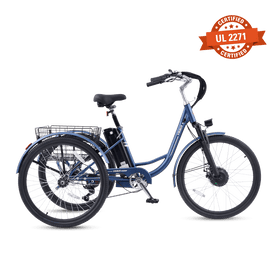
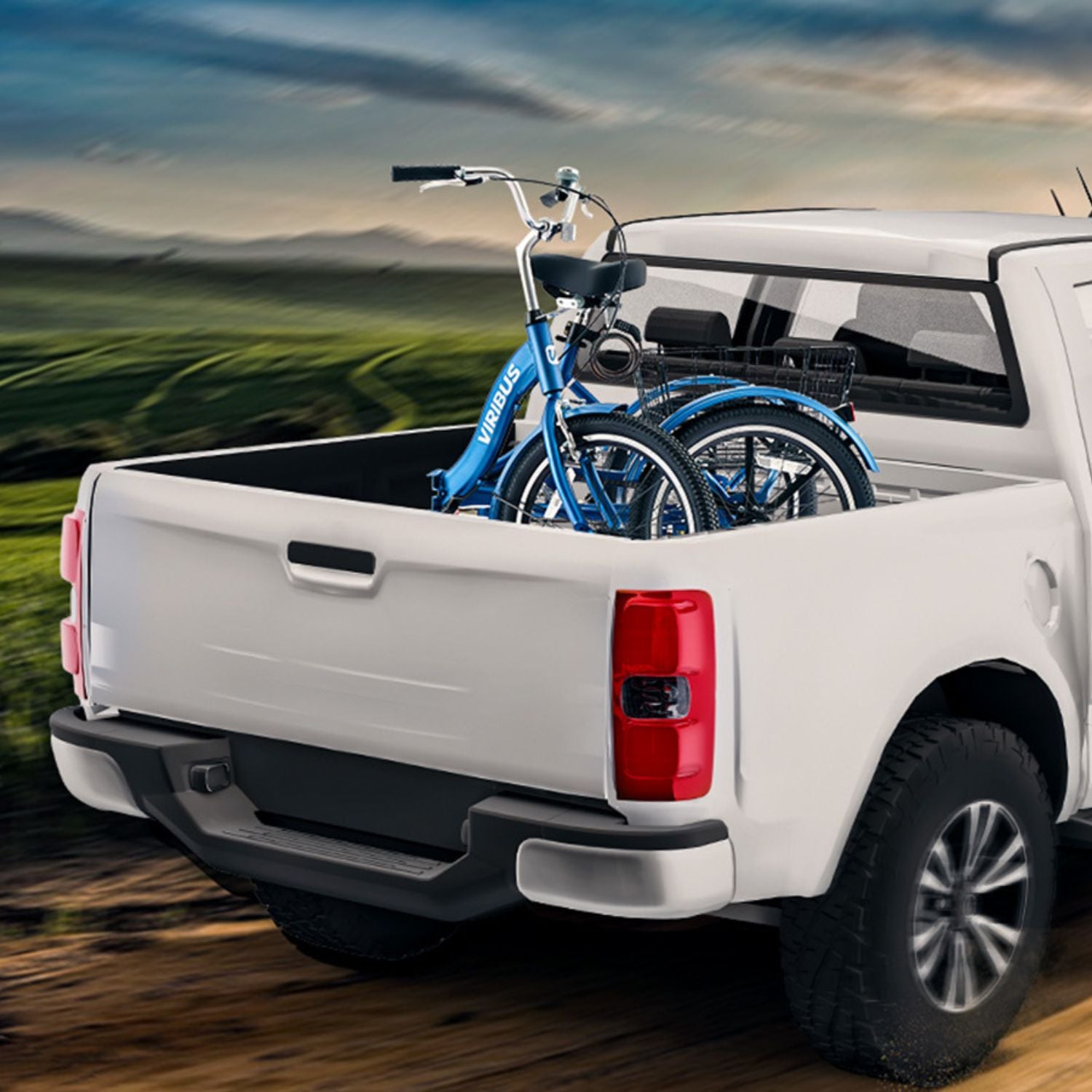
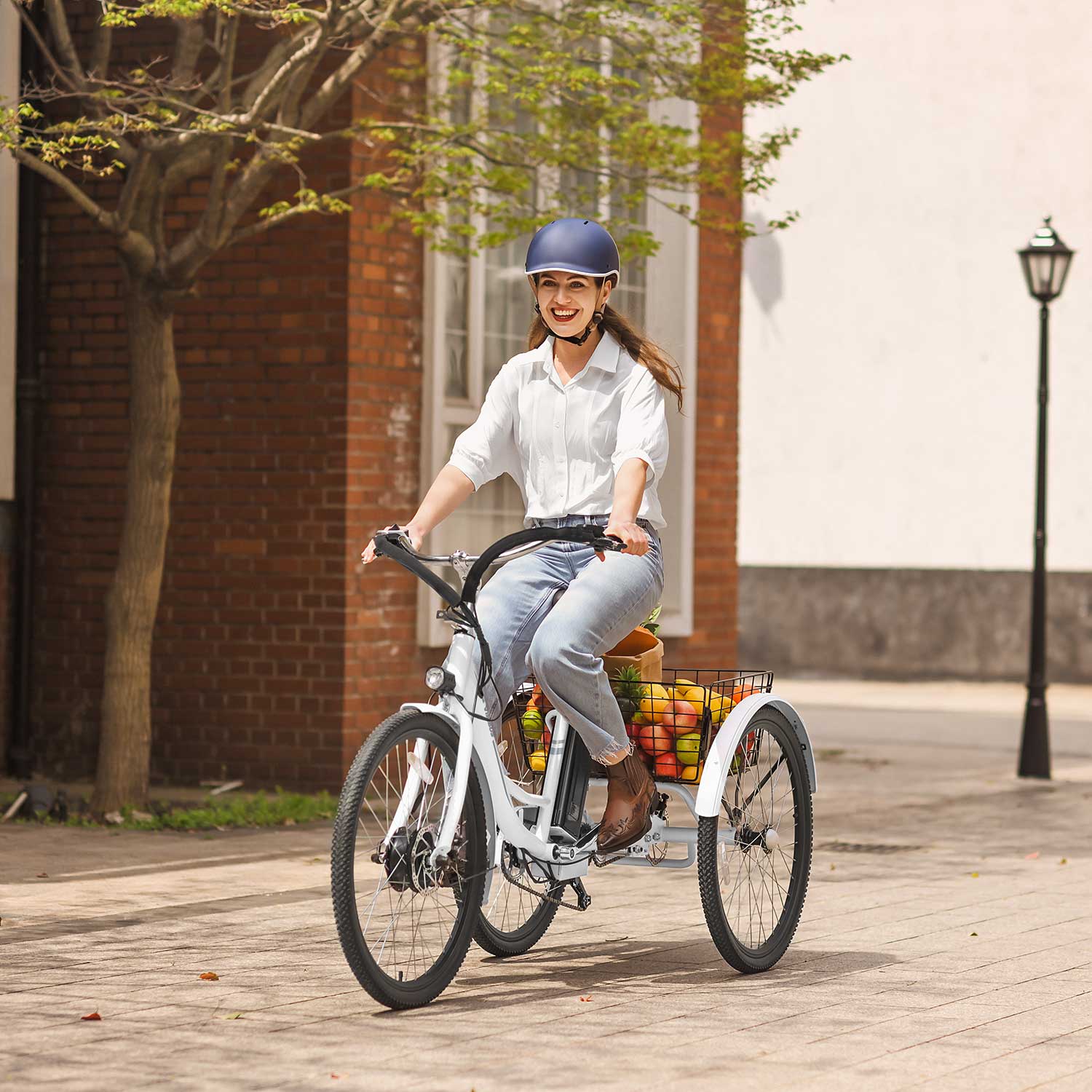
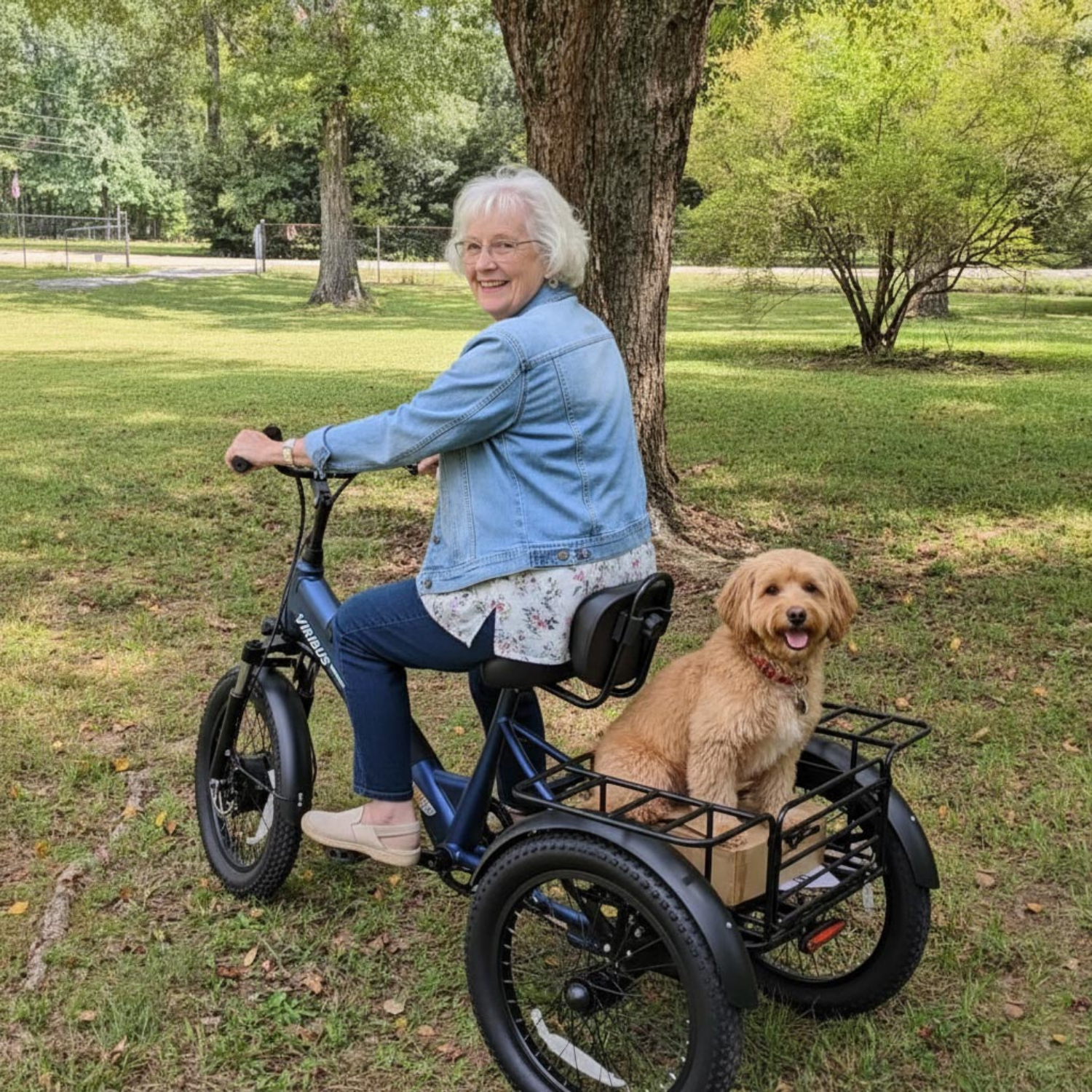
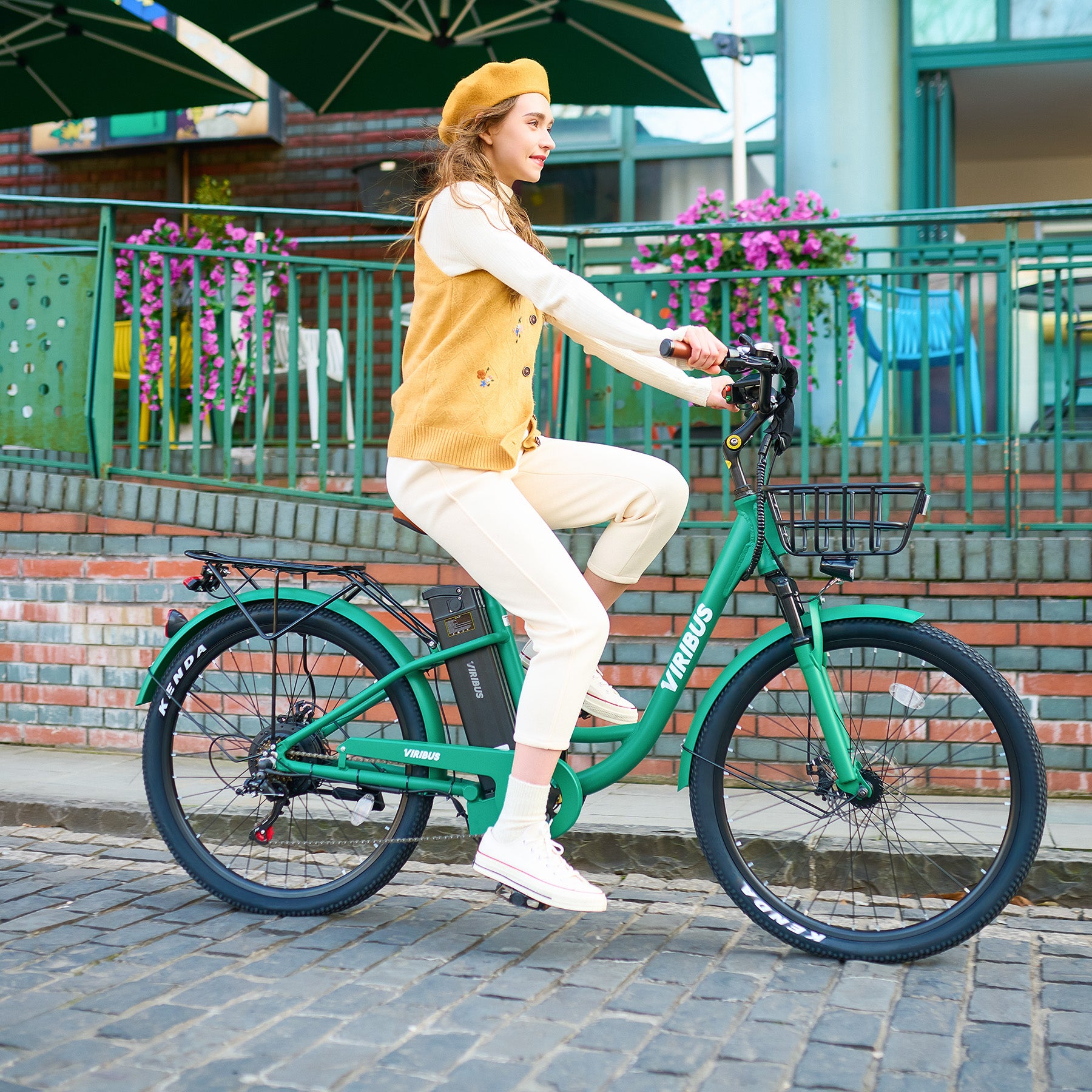
Currently on sale at $699, the Viribus BZ1 Step-Thru Electric Bike is the best and most affordable Class 2 Ebike for sale right now.
With a 500W motor and a 48V 13AH battery, it reaches a top speed of 20MPH, and can cover a distance of over 25-45 miles on a single charge. It is equipped with a quick and responsive thumb throttle and can cover up to 25 miles in throttle-only mode.
5 levels of pedal assist, mechanical disc brakes, a 7-speed gear system, and a low step-through frame. You have in this bike everything you need in a Class 2 electric bicycle.
Ebike vs Scooter: Choosing One
1. Choose an e-scooter if:
- Your commute is short
- Storage space is limited
- You ride occasionally
2. Choose an e-bike if:
- You commute daily
- Your route is long
- Comfort and reliability matter
- You want a true car replacement

Final Verdict: Which Should You Choose?
If you’re traveling longer distances every day and need dependable transportation without car expenses, an e-bike is almost always the better choice. It’s more comfortable, safer, and far better suited for sustained commuting.
E-scooters are great for short hops and portability, for real-world, daily commuting, e-bikes are built to last. Consider these 4 Best Cruiser Bikes for Women, to explore more options on a discount.












Leave a comment
All comments are moderated before being published.
This site is protected by hCaptcha and the hCaptcha Privacy Policy and Terms of Service apply.