


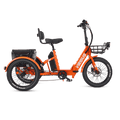


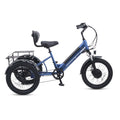

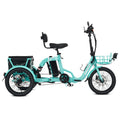










The main goal when charging an electric bicycle is not just to fill the battery, but to maximize battery lifespan, maintain performance, and optimize safety.
Proper charging is crucial for e-bikes because e-bike batteries (mostly lithium-ion) are sensitive. Poor charging habits can shorten the battery’s lifespan, reduce range over time, and increase the risk of overcharging.

How E-bikes Charge: Simple Explanation
At the most basic level, an e-bike charges just like a laptop or phone: the charger converts the raw AC power from the outlet into DC electricity, which is stored in the battery for later use. Here’s how it works:
- You plug a charger into a wall outlet (AC power)
- The charger converts that power into DC electricity that your battery can use
- That electricity flows into the battery pack, where it’s stored for later use
Most e-bikes use lithium-ion batteries, and charging them involves controlled chemical reactions: Electricity moves lithium ions from one side of the battery (cathode) to the other (anode), energy gets stored in this process, and when you ride, the process reverses to release energy.
This is why charging needs to be controlled; too much voltage or heat can damage the battery.
How to Charge an E-bike (Step-by-Step)
The process of charging and ebike battery should always begin with you turning off the bike and end with you unplugging the charger before disconnecting it from the wall.
Here’s the correct way to charge your e-bike, and why the right order matters:
Step 1: Turn off the e-bike
Power off your e-bike completely before charging. This prevents electrical flow issues and reduces stress on the battery system while charging.
Step 2: Let the Battery Cool Down
Wait 15–30 minutes after riding before plugging in. Batteries heat up during use, and charging a hot battery can degrade its lifespan and increase risk. Let the battery cool before charging it.
Step 3: Use the Correct Charger
Always use the original charger, or a manufacturer-approved alternative charger, to charge your e-bike. Chargers are designed for specific voltages and battery types; using the wrong one can damage the battery or cause overheating.
Step 4: Plug Into the Wall First
Plug the charger into the wall outlet before connecting it to the battery. This stabilizes the electrical current before it reaches the battery and reduces the risk of sparks or surges.
Step 5: Connect the Charger to the Battery
Carefully connect the charger to your battery port. Connecting the charger to your battery port first ensures a secure, consistent connection for proper charging.
Step 6: Monitor the Charging Process
While the ebike is charging, check its progress occasionally, and don’t just leave it unattended. While most chargers are “smart,” it’s still safer to keep an eye on things, especially indoors.
Step 7: Unplug in Reverse Order.
This reverse order helps avoid electrical arcs and protects both the charger and battery.

How Long Should You Charge an Ebike?
How long an electric bike takes to charge depends on three main factors: the battery capacity, the charging speed of the charger, and the existing charge level.
- Battery capacity (Wh): Bigger ebike batteries (500W+) take longer to charge.
- Charger speed (amps): Electric bike chargers with higher amps charge faster
- Current charge level: topping up from 80% to 100% takes longer than 20% to 80%, for example.
Typical Ebike Charging Times by Battery Size
| Battery Size | Typical Charge Time |
| 250–400Wh | 2–4 hours |
| 400–500Wh | 3–5 hours |
| 500–700Wh | 4–6 hours |
| 700Wh+ | 6–8+ hours |
The last 20% always charges more slowly because the system protects the battery from overvoltage.
Fast Charging Ebikes From Viribus
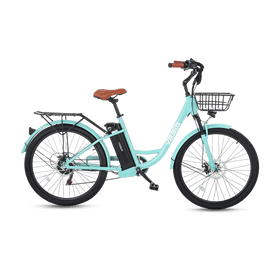
1. Viribus BZ1 Step-Thru Electric Bike
The Viribus BZ1 Step-Thru Electric Bike is powered by a quick-charging and removable 48V 13AH lithium-ion battery that gives you 45 miles of battery power for pedal-assisted journeys and 25 miles of pure electric power. It charges quickly in about 5 hours, and when you need to recharge the battery, you can pop it out and in again easily.
The Viribus Step-Through Electric Commuter Bike is designed for every journey, every mood, and every rider. Whether you're commuting to work, running errands, or simply enjoying a leisurely ride, our electric bicycles offer the perfect blend of style, comfort, and performance.
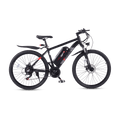
2. The Viribus Panther Electric Mountain Bike
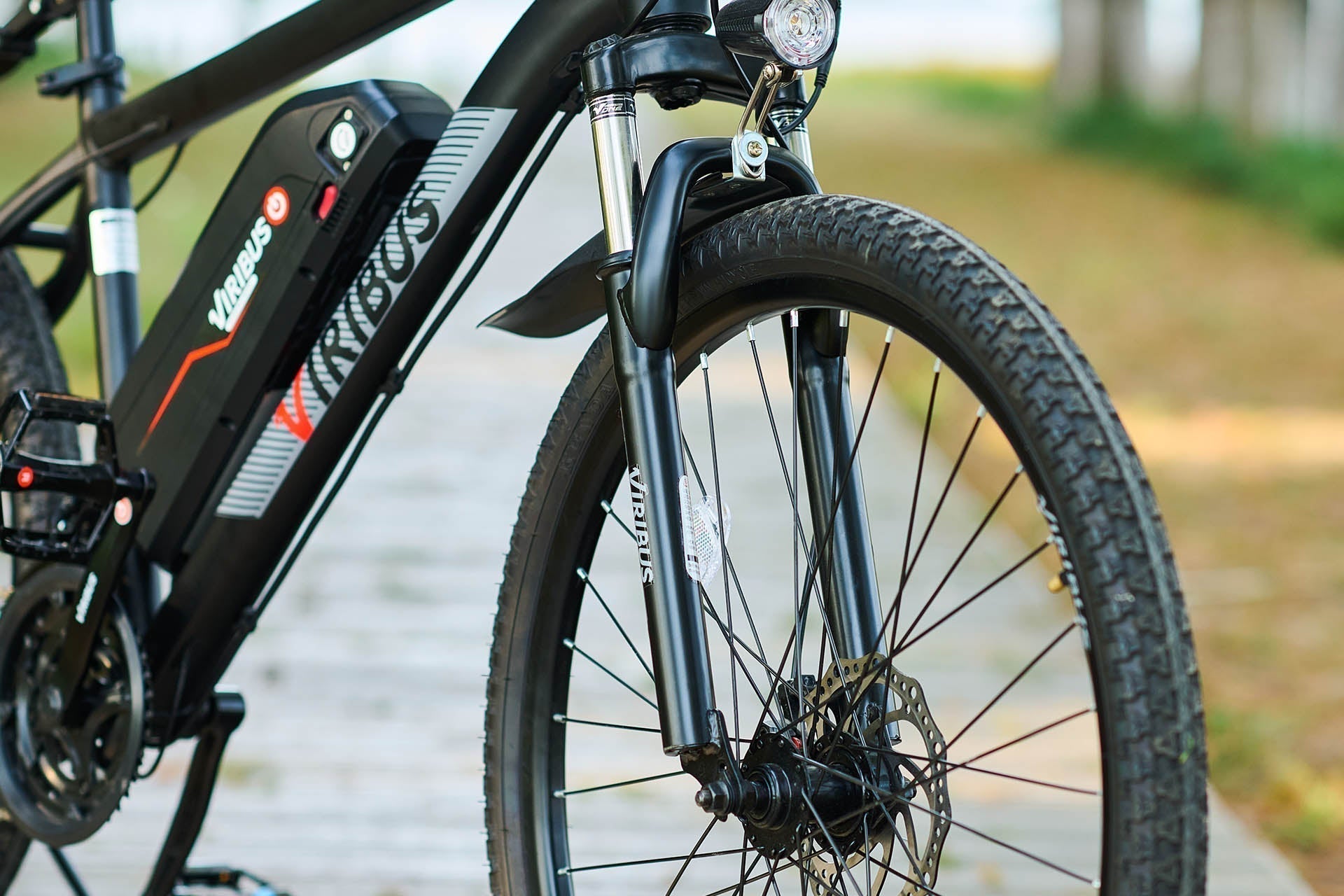
With a 48V 10.4Ah high-tech lithium battery, the Viribus Panther Electric Mountain Bike charges in about 5 hours. It has a range of up to 40 miles in hybrid mode, perfect for long journeys. On smooth roads or with full-speed throttle control, you can go up to 20 miles without stopping, fueling your craving for adventure.
With its Shimano 21-speed gear shift system, you experience seamless gear transitions and optimal control on your journey as you glide through bustling cityscapes with the Panther, saving time and enjoying the convenience of eco-friendly transportation.
Important Ebike Charging Tips You Must Know
- Avoid 0% and 100% extremes: The best range is to keep the battery between 20%–80%
- Don’t charge immediately after riding. Let it cool first
- Store at 40–70% when not using the ebike. This is ideal for long-term storage
Avoid charging in extreme temperatures. Room temperature is always best for storing an Ebike.

Can You Charge an Ebike Without a Charger?
Technically speaking, it is possible to charge an e-bike without a charger. However, there are very limited options to do so, and it is often not recommended.
2 Methods For Charging an Ebike Without a Charger
1. Use a Compatible Third-Party Charger
You can use a compatible third-party charger if the voltage and connector match those of your own ebike charger, and it is the only safe alternative in most cases. However, you must be careful and ensure it is a suitable match.
2. Solar Charging Systems
Using a solar charging system to charge an e-bike battery is sometimes possible, but requires a lot of materials and is complicated to set up. Generally, you need access to a solar panel, a charge controller, and a battery-compatible output. It is good for off-grid setups, but not plug-and-play.
Bottom Line
Without a proper charger, your options are limited. The safest approach is always to use the correct charger. Avoid improvising unless you fully understand the electrical specs.

Final Thoughts on Charging an E-bike
Charging your e-bike isn’t complicated, but doing it right makes a huge difference. If you remember just a few things: don’t drain to 0%, don’t leave it at 100% too long, always use the right charger, and keep the battery cool and dry. Follow those, and your battery will last longer, perform better, and stay safer over time.
You might also be interested in exploring the importance of e-bike range, and how long the battery lasts upon a single charge can be a game-changer when you are looking to buy an ebike.





Leave a comment
All comments are moderated before being published.
This site is protected by hCaptcha and the hCaptcha Privacy Policy and Terms of Service apply.