


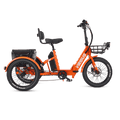


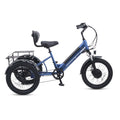
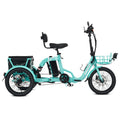

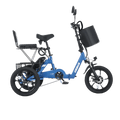



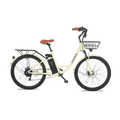

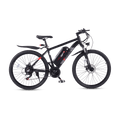



One of the first questions many new riders ask about electric bikes is whether they have to pedal. The answer depends on the type of e-bike you own. Pedal-assist e-bikes require pedaling to activate the motor, while throttle-equipped models allow you to ride without pedaling, similar to a scooter.
Types of Electric Bikes
Electric bikes work by drawing energy from a rechargeable battery and delivering it to a motor, which converts electrical energy into kinetic energy to help rotate the pedals or wheels. This assistance reduces rider effort, making cycling easier and more efficient, especially on hills or longer rides. Depending on how the motor is activated, e-bikes generally fall into two main categories: pedal-assist and throttle-controlled models.
Pedal-Assist E-Bikes
Most electric bikes feature pedal-assist technology, meaning the motor engages only when the rider is pedaling. Pedal-assist systems sense your pedaling motion through sensors, which then regulate the motor’s power output to provide smooth and proportional assistance.
Riders can usually adjust the level of assistance through a display or control panel, often on a 0 to 5 scale, where 0 represents no assistance and 5 provides maximum motor support. This flexibility allows riders to conserve battery power, control exertion levels, and tailor their riding experience to terrain or personal preference.
Throttle E-Bikes
Some e-bikes also include a throttle system, which allows the rider to control acceleration independently of pedaling. Throttles come in various forms, such as thumb, twist, or trigger types, each designed to suit different riding styles.
When activated, the throttle sends a signal to the motor to provide power directly to the wheels, giving the rider instant speed without pedaling. This feature is particularly useful for short bursts of acceleration, navigating traffic, or giving the rider an option to ride without continuous pedaling.
Do You Have to Pedal an Electric Bike?
Whether you need to pedal an electric bike depends on the type and class of the e-bike. Pedal-assist e-bikes (Class 1 and some Class 3 models) require you to pedal for the motor to provide assistance, making riding easier but still involving physical effort.
Throttle-equipped e-bikes (Class 2 and some Class 3 models) allow you to ride without pedaling, giving full motor power at the push of a thumb, twist, or trigger throttle.
Class 1 or Class 2 E-bike? Which Should You Choose?
Regardless of class, all e-bikes can also be ridden like a traditional bicycle with the motor turned off, giving you full control over when and how you use pedal or motor power. This makes e-bikes flexible for commuting, leisure, or exercise, whether you want to pedal, coast, or rely entirely on the motor.
How Often Do You Have to Pedal an Electric Bike?
How often you need to pedal an electric bike depends on its type and your riding style.
On pedal-assist e-bikes, you must pedal whenever you want the motor to provide assistance, though higher assist levels reduce the effort required.
Throttle-equipped e-bikes allow you to ride without pedaling at all, but many riders still pedal occasionally to conserve battery, improve fitness, or enjoy a more natural cycling experience.
Ultimately, pedaling frequency is flexible—you can pedal constantly, partially, or not at all—depending on the bike, terrain, and personal preference.
How Hard is It to Pedal an Electric Bike?
Pedaling an electric bike is generally much easier than a traditional bicycle because the motor provides assistance whenever you pedal.
On a pedal-assist e-bike, the level of effort you need depends on the pedal-assist setting you choose—higher settings give more motor support, making pedaling almost effortless, while lower settings require more input from you.
Throttle-equipped e-bikes can further reduce effort, as you can rely on the motor without pedaling at all.
Factors like terrain, battery charge, rider weight, and bike type also affect how hard you need to pedal, but overall, e-bikes are designed to make riding smoother, less tiring, and more accessible for longer commutes or hilly routes.
Conclusion
Whether or not you have to pedal an electric bike depends on the bike’s class and features. Pedal-assist e-bikes require you to pedal for motor support, making them great for fitness and longer rides, while throttle-equipped e-bikes give the flexibility to ride without pedaling. Knowing the differences between e-bike classes, along with proper riding techniques, ensures a safe, enjoyable, and efficient cycling experience, whether you prefer a more active ride or motor-assisted convenience.
FAQ
Does a class 3 ebike need pedals?
Yes, a Class 3 electric bike generally requires pedals because it is primarily a pedal-assist e-bike.
The motor provides assistance only when you pedal, helping you reach speeds up to 28 mph (45 km/h). Some Class 3 models may include a throttle, but even with a throttle, pedals are still present, allowing you to ride like a traditional bike or combine pedaling with motor assistance.
Without pedals, the bike would no longer meet the Class 3 e-bike definition and could be legally classified as a motor vehicle in many regions.
How to make an ebike go without pedaling?
The safest and legal way to ride an e-bike without pedaling is to choose a throttle-equipped (Class 2) model, which is designed to provide motor power on demand.
Can I ride an e-bike without pedaling?
Yes, you can ride an e-bike without pedaling, but only if the bike is equipped with a throttle. Throttle-equipped e-bikes, usually classified as Class 2, allow the motor to provide power independently of your pedaling, letting you control speed and acceleration using a thumb lever, twist grip, or trigger on the handlebars.
Why are e-bikes banned on trails?
E-bikes are often banned on trails because their higher speeds and motorized assistance can create safety risks, cause more trail erosion, and violate regulations that restrict trails to non-motorized vehicles.
How long does an electric bike battery last in a day?
The daily battery life of an electric bike depends on factors like battery capacity, motor power, terrain, rider weight, and riding style. On average, most e-bike batteries last 20–50 miles (32–80 km) per full charge, which typically equates to 4–8 hours of riding at moderate pedal-assist levels.
Can a beginner ride an electric bike?
Yes, a beginner can definitely ride an electric bike. For beginners, it’s often best to start with pedal-assist e-bikes (Class 1 or Class 2), which allow gradual control over speed and motor support.



Leave a comment
All comments are moderated before being published.
This site is protected by hCaptcha and the hCaptcha Privacy Policy and Terms of Service apply.