







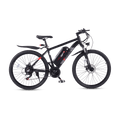




A lot of people think that getting an electric bike automatically means you don't have to pedal anymore. I mean, if I have to pedal, then what is the electric motor for, right?
The truth is, whether or not you have to pedal an ebike depends on the type of ebike you’ve got: some ebikes (pedelecs) require pedalling, while other types of ebikes do not, at least not all the time.
Also, even for throttle-powered e-bikes that do not necessarily require pedalling to move, it is still overall a better idea to pedal the e-bike, especially over long distances. This explains why most people still pedal their ebikes.
So, do you have to pedal an e-bike? Not necessarily, but yes. Let's explore!

Do You Have to Pedal an Ebike?
You do not have to pedal an e-bike, except that it is a pedelec. Pedelecs are the only types of ebikes that require pedalling to move. Most modern ebikes have a throttle, and ebikes with a throttle-only mode generally do not require pedalling to move.
However, most ebikes are hybrids: they offer a measure of pedal-assist and throttle power. For these, the option of pedalling is available, and you can use it whenever you need.
So here is how pedalling works on ebikes:
- If you buy a pedelec (pedal-assist-only e-bike) , yes, you must pedal. The motor only turns on when you pedal. No pedaling means no power.
- If you buy an e-bike with a throttle, you don’t have to pedal. The throttle can drive the bike entirely on its own, like a small scooter.
- But here’s the twist: even on throttle-equipped bikes, pedaling is often helpful or even necessary due to limitations with battery life, steep hills, weight, and motor strain.
Pedalling an Ebike: Why Some E-Bikes Require Pedaling and Others Don’t
To understand why some ebikes need pedalling, and others don't, you have to understand the differences between Pedelecs and Throttle Ebikes.
Pedelecs Require Pedalling
You only really have to pedal an electric bike if it is a pedelec. Pedelec means Pedal-Assist-Only E-Bike: it uses sensors to detect when you’re pedaling and how hard you’re pushing. Once the bike senses pedaling, it adds motor power to your effort.
If you stop pedaling, the ebike cannot move because:
- The motor immediately cuts out
- The bike defaults to being just a regular bike
- You cannot use motor power independently
Pedelecs feel very natural and smooth, but they cannot move forward under motor power alone.
Throttle E-Bikes Do Not Require Pedaling (To an Extent)
In contrast, throttle e-bikes can move without pedaling. A throttle is simply a thumb lever or twist grip that activates the motor with your hand: you can twist to go and twist to stop.
Throttle E-bikes behave much more like scooters in that they:
- Allow you to cruise without effort
- They are great for riders who want minimal exertion

Why Do People Generally Have to Pedal E-Bikes?
Even though a throttle means you can ride your ebike without pedaling, the truth is that most people still have to pedal their ebikes despite throttle assist. That is because there are limitations and sacrifices involved in riding in throttle-only mode: pedalling is still required if you want to conserve battery and optimize performance.
1. Riding throttle-only drains the battery faster.
For most ebikes, you might only get about 40% of the original range of your ebike in throttle-only mode. So, to conserve battery power and cover a longer distance, it is wiser to pedal your ebike rather than rely on throttle power alone.
Even for performance e-bikes like mountain electric bikes with a significant throttle-only range, switching to pedal assist will always help you conserve battery power.
The Panther Electric Mountain Bike comes with three levels of pedal assist for assistance in challenging terrain. In pedal assist mode, you can reach up to 40 miles, which is significantly more than you’d reach in throttle mode.
2. Pedaling helps maintain speed up hills.
Going uphill in throttle mode (where you don't have to pedal) stresses the motor of an e-bike extraordinarily. There have been reports of e-bike models with weaker motors completely breaking down while riding uphill in throttle-only mode.
When you pedal while going uphill, you take some strain off the motor, preserving its speed and performance. This is another reason why people pedal their ebikes.
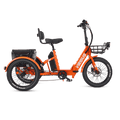
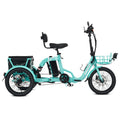
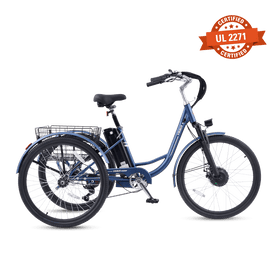
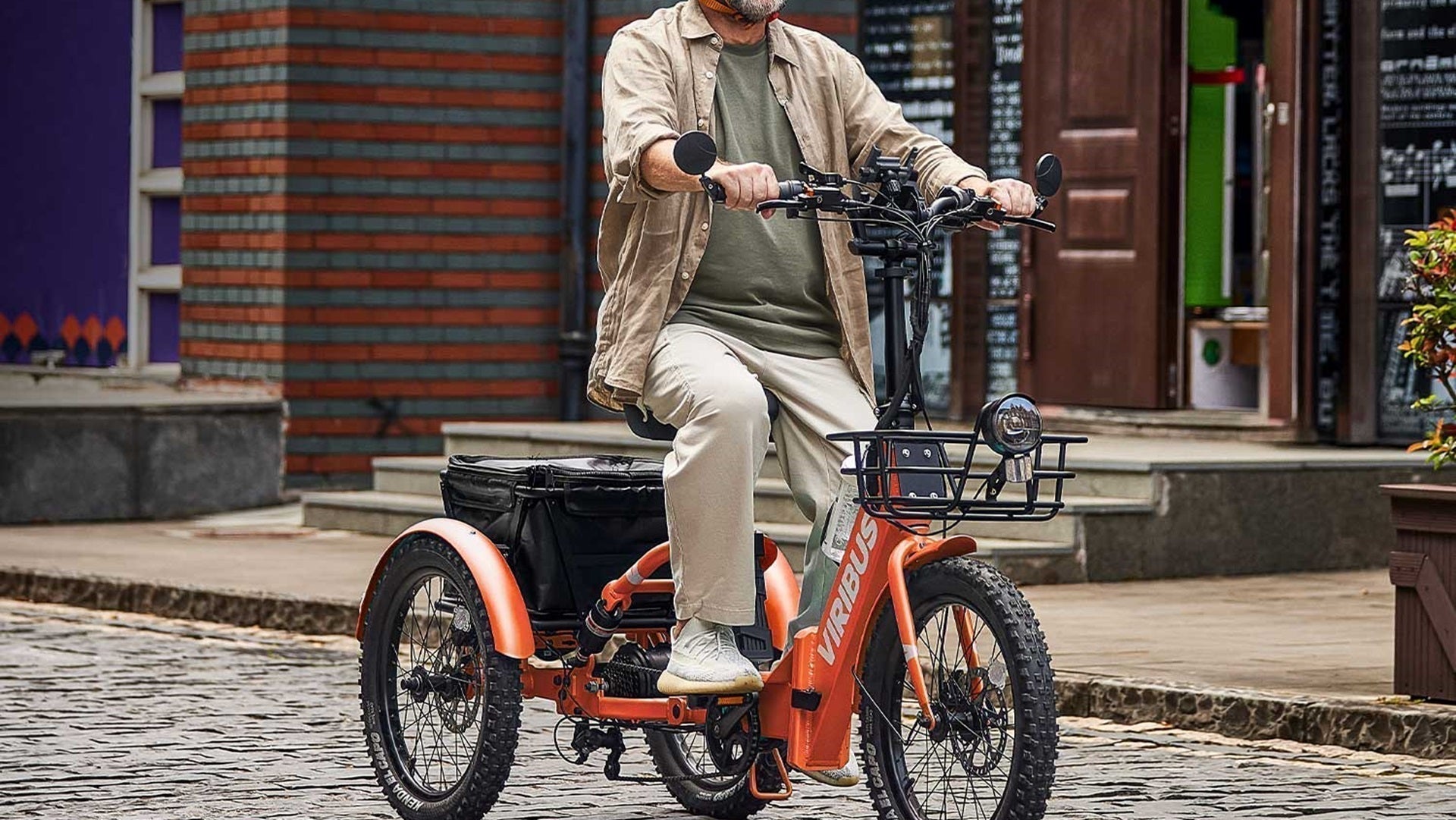
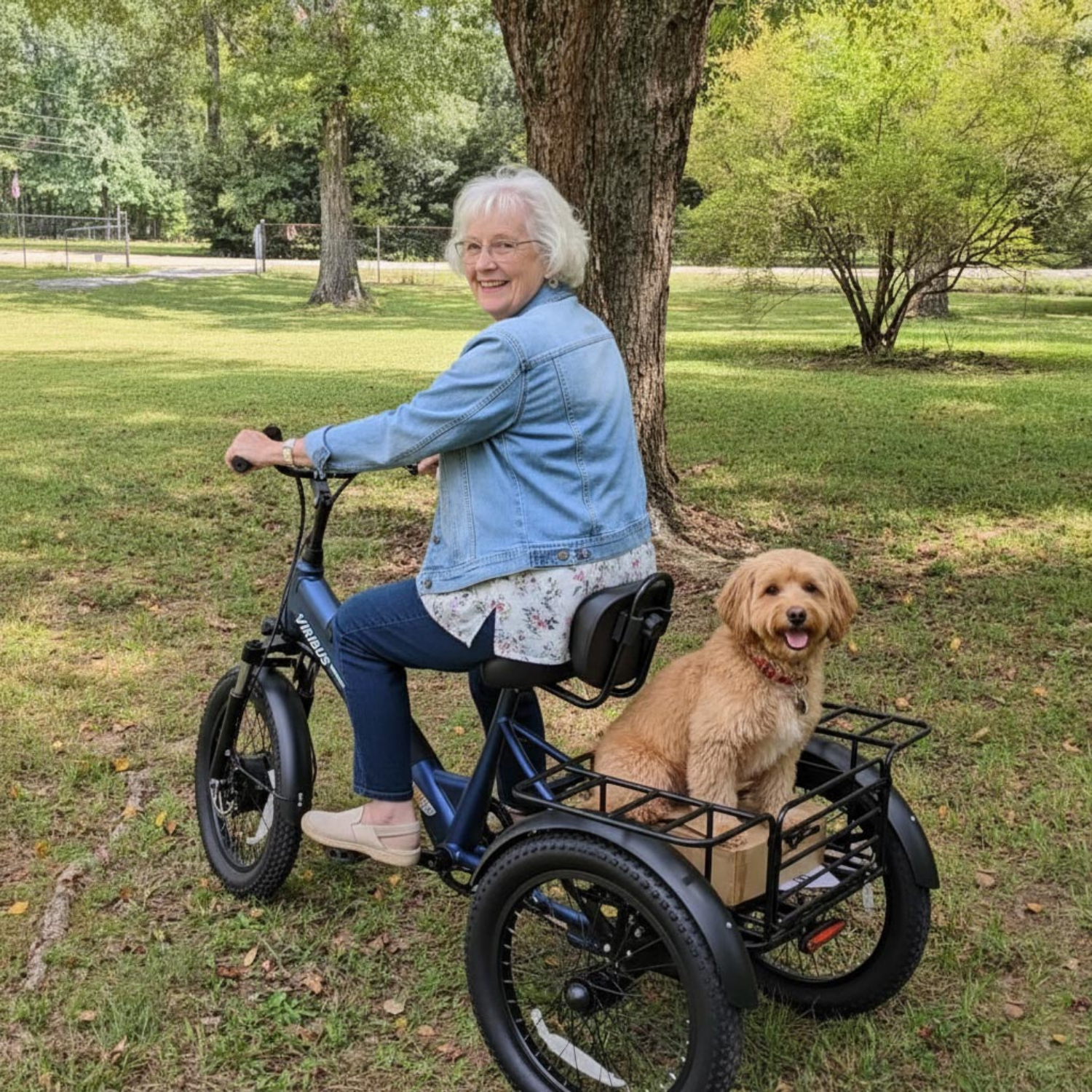
An easy way to understand why pedalling saves effort is to consider three-wheeled electric bikes. Recent models like the FC2 Folding Electric Trike can overcome hills up to 15° inclines over a 32.8 ft. stretch on PAS level 5. So, there is no need to make the bike rely on throttle power alone.
So, when you see someone pedaling an e-bike, they’re not necessarily required to: they’re just riding smarter. Pedalling reduces motor strain and ensures longer range and smoother performance.

Why It is More Practical to Pedal an E-bike: Top 5 Reasons
Even if you buy a throttle-equipped e-bike, pedaling is still a big part of effectively getting the most out of the vehicle. It helps improve range (distance travelled per charge), climb steeper hills and cover challenging terrain, control speed, and ensure safety, comfort, and optimal performance
Here are the top 5 reasons why it is a wise idea to pedal your ebike, even if it has a throttle:
1. Pedaling Improves Range (Sometimes Dramatically)
Using throttle-only forces the motor of an e-bike to work harder from start to finish.
Over long distances, throttle-only use can be detrimental to your bike because it means the battery drains faster, you cover less distance, and the acceleration is much slower once the battery gets low.
The same goes for electric cruiser bikes, road bikes, and many other types of ebikes like electric three-wheeled bikes: a few pedal strokes here and there can add miles to your range.
Here is a table showing the top electric three-wheel electric bikes from Viribus: the difference in how much distance they cover in throttle-only mode vs pedal-assist mode.
| Bike Name | Throttle Range | Pedal Assist Range |
| FC1 Fat Tire Folding Electric | 36 Miles | 62 Miles |
| FC2 Fat Tire Folding Electric | 36 Miles | 62 Miles |
| SC5 Fat Tire Electric | 38 Miles | 38 Miles |
| TG1 Pro Electric | 38.5 Miles | 53 Miles |
2. Pedalling Helps Control Speed and Improves Safety
For most riders, it is easier and more natural to control the speed of an ebike when pedalling than when relying on throttle-assist only. This explains why, in crowded areas, parks, or in traffic, most riders resort to pedalling their ebike rather than throttle-speed.
If you navigate populated areas or complicated street layouts, it might be wiser to pedal your electric bike, even if it has throttle assist capabilities.
3. Pedaling Helps Ebike Performance When Starting and Stopping
From a full stop, especially on heavier e-bikes, the motor needs a burst of power to get the bike moving.
Pedaling for even one second eases this strain, making takeoff smoother, the motor load lighter, and minimizing battery drain. Pedaling also reduces that “jerk” some riders feel when using the throttle from a dead stop.
4. Pedaling Allows Higher Speeds on Certain E-Bikes
Some ebikes are faster with pedal assist (which requires pedalling) than with throttle only mode (no pedalling). Hence, pedalling an e-bike might actually help you go faster.
- Many Class 3 pedal-assist e-bikes support up to 28 mph, but only with pedaling.
- Throttle speeds usually top out at 20 mph for Class 2 bikes and might even be lower on budget models
So, for riders who want the highest speed available, pedaling becomes part of the equation.
5. Pedalling is Simply More Efficient Overall
Overall, another reason why people still pedal their ebikes is that it is the simplest and most efficient way of riding an ebike. Many riders find that a small amount of pedaling gives the best overall ride experience.
When you contribute even a little bit of pedaling, the motor uses less power, the battery lasts longer, the ride becomes smoother, the motor stays cool, and you get more consistent performance.

What to Look For If You Want an E-Bike You Won’t Have to Pedal Much
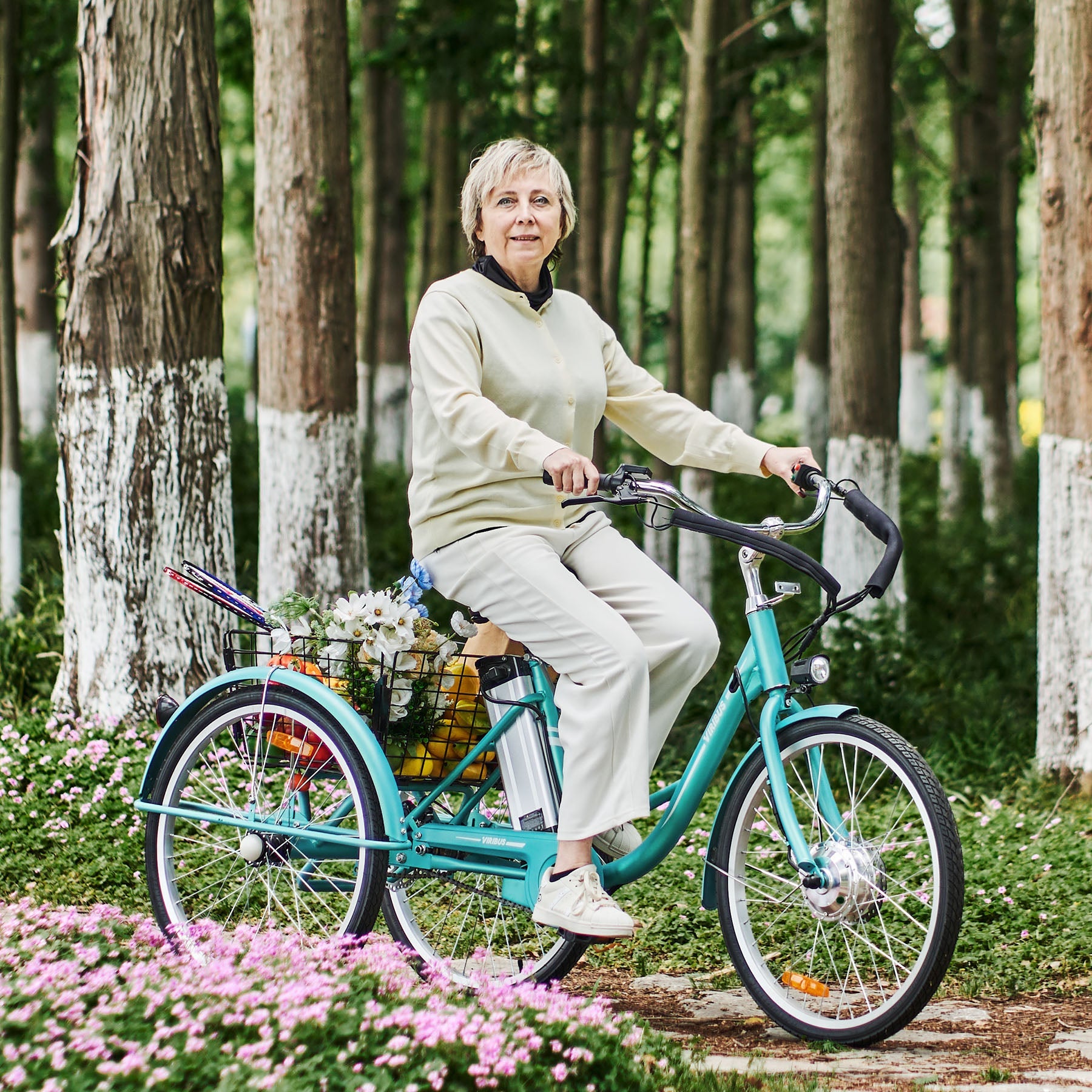
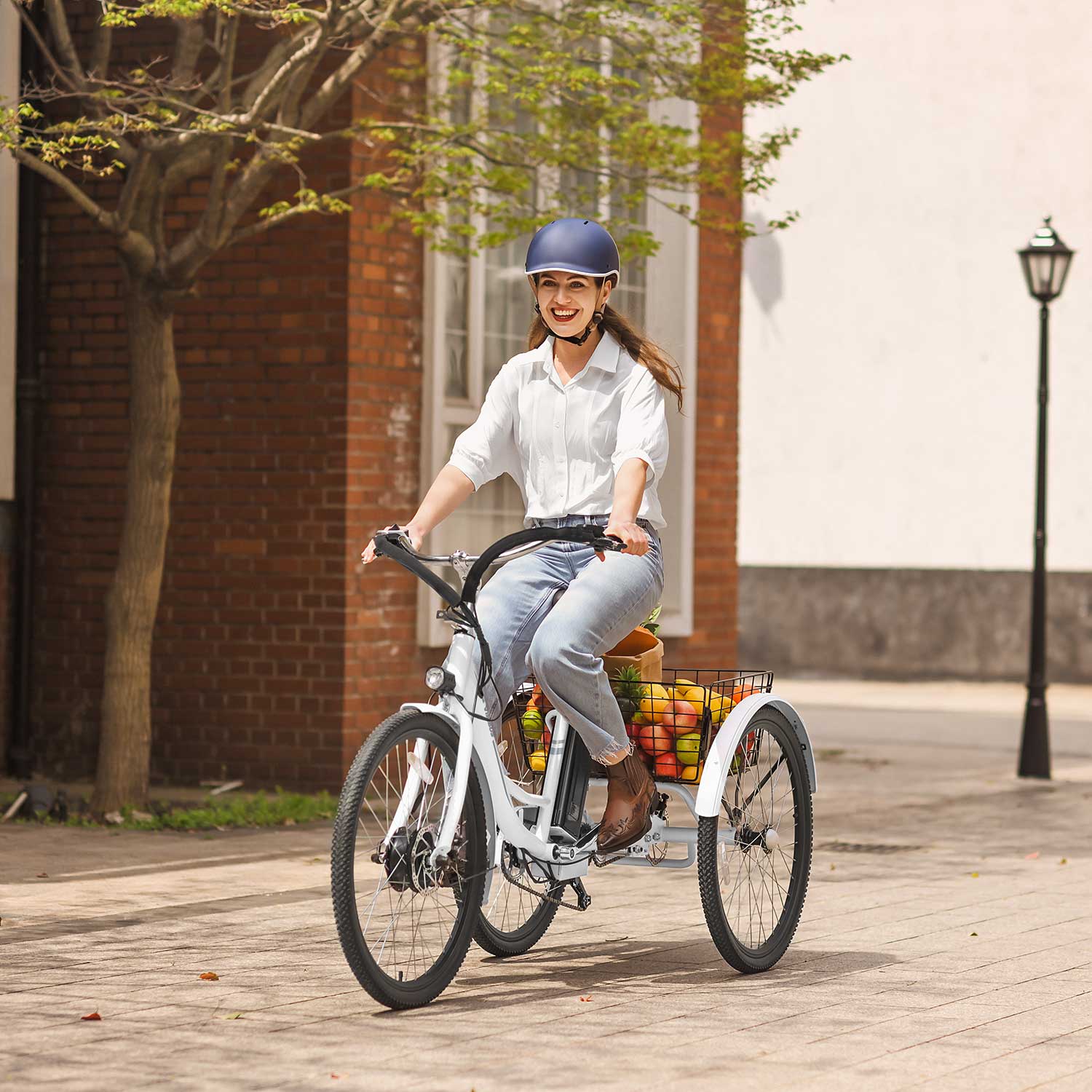
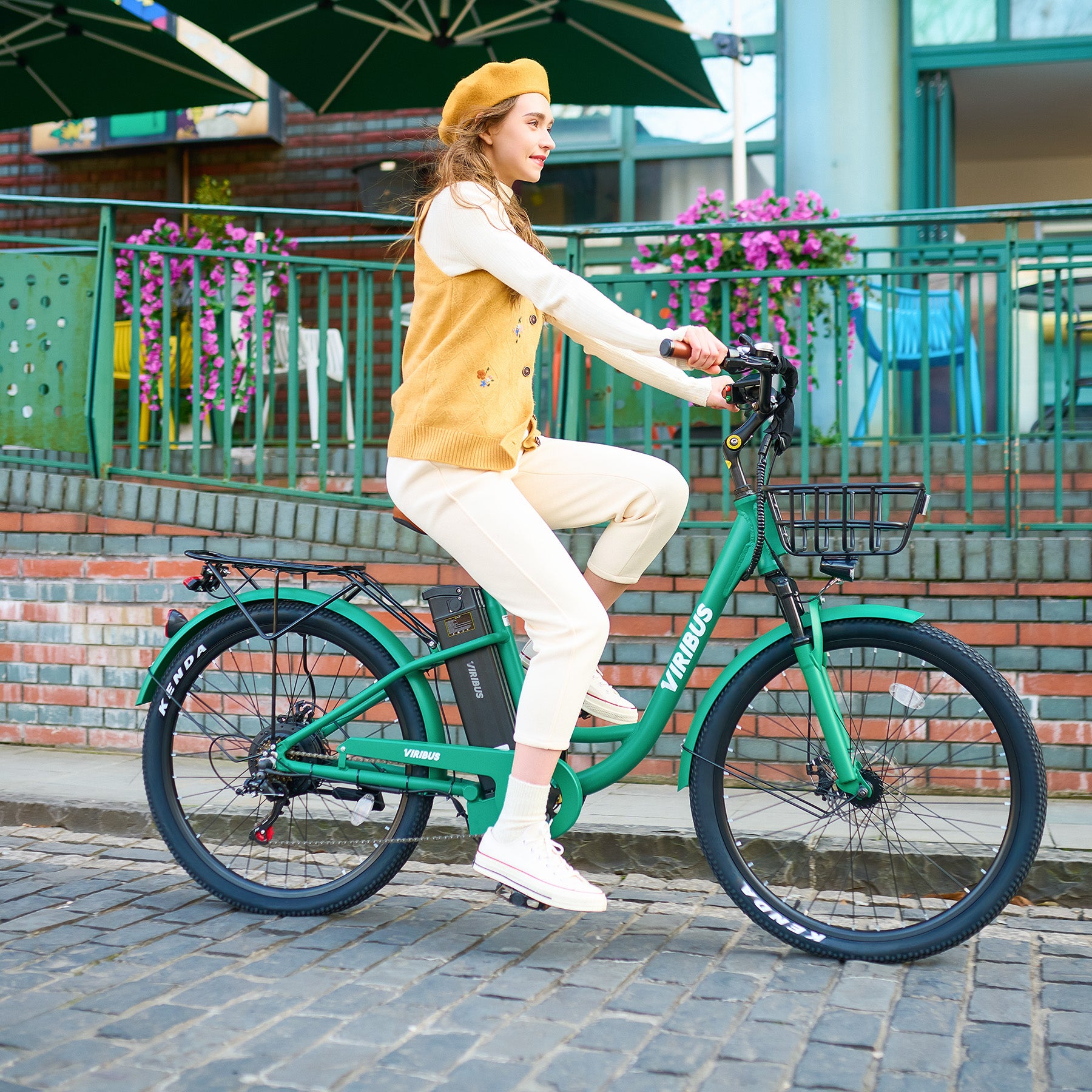
If your goal is to pedal as little as possible, you need an ebike that offers strong throttle performance. Luckily, you can find many ebikes like the BZ1 Step-Thru Electric Bike from Viribus that offer you enough power that you can use the bike for daily use with minimal pedaling.
Here are the exact specs that determine how well a bike like this performs in throttle-only mode.
1. A Powerful Motor (500W Minimum)
Throttle-only riding demands more from the motor. A low-power motor (250W–350W) might struggle with hills, accelerate slowly, lose speed easily, and drain the battery quickly.
- 500W for moderate hills and city riding
- 750W for strong throttle performance
- 1000W if you want near-scooter power
With the 500W motor of the BZ1, and a 48V 13A, 624 Wh high-tech lithium battery, you get enough throttle power not only to ride for longer, but also to tackle moderate hills without having to worry about pedalling.
2. A Full-Size Throttle (Thumb or Twist)
Make sure the e-bike explicitly includes a thumb throttle, a half-twist throttle, or a full-twist throttle
- Some e-bikes hide this detail, so always double-check.
- Avoid “walk assist” modes; they are not throttles.
With the BZ1 Electric Bike, you get a thumb throttle: it is efficient, easy to maneuver, and incredibly beginner-friendly.
3. A High-Capacity Battery
If you're riding mostly on throttle, battery size becomes crucial. Look for 48V batteries (more torque and power than 36V), 14Ah to 20Ah+ capacity, dual-battery setups if you want long, pedal-free rides
Throttle-only riding uses significantly more watt-hours per mile, so battery capacity matters.
4. Hub Motor vs. Mid-Drive
If you want to avoid pedaling:
- Hub motors are usually better because they don’t rely on your pedaling power to multiply torque.
- Mid-drive motors feel smoother and are great for pedaling, but they lose efficiency when used throttle-only.
For minimal pedaling, choose a rear hub motor with high torque.
5. Comfortable, Upright Geometry
If your main concern is relaxing while the bike does the work, choose a step-through frame, swept-back handlebars, and other features like:
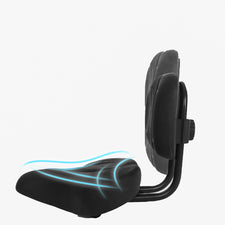
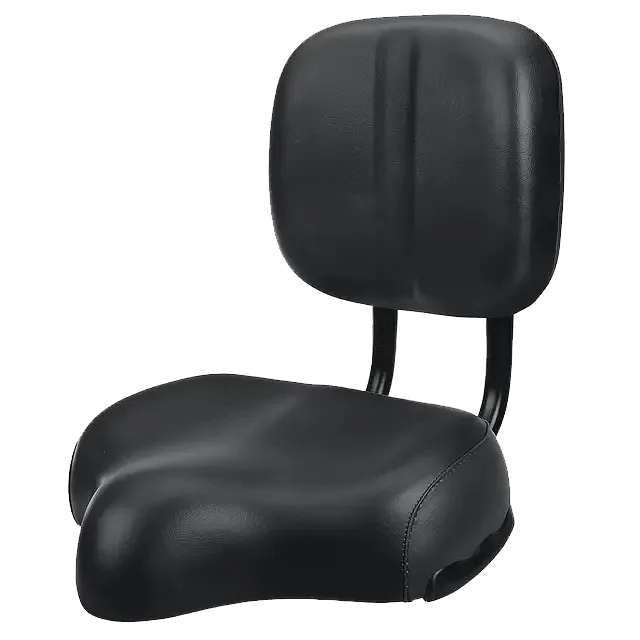
- wide, cushioned saddles
- fat tires or balloon tires
- a cruiser-style riding posture
Comfort-focused bikes make throttle-only cruising easier and safer, which is why the convenient and sturdy step-through frame of the BZ1 Step-Thru Bike is such a delight.
Why Hybrid E-bikes ( Both Pedal Assist and Throttle Assist) Are the “Best of Both Worlds”
If you’re unsure how much you want to pedal, or if you just want flexibility, choose a bike that offers both pedal assist (PAS) and throttle. Viribus electric bikes offer 3-5 levels of pedal assist and a throttle. Here’s why ebikes with both PAs and throttle power are the preferred choice for most riders:
- You control how much you pedal: A dual-mode e-bike lets you choose between throttle-only, pedal assist only, pedal assist + throttle boost, or no assist at all. It basically adapts to how you feel every single ride.
- It’s perfect for long rides or commuting: You can use pedal assist to conserve the battery, and a throttle can take over when you’re tired.
- The best hill-climbing performance: You can use pedal assist to maintain steady momentum, and the throttle to add a power boost when the hill gets steeper.
- You get better control in traffic: The throttle helps get out of intersections quickly, accelerate safely, stabilize takeoffs, and avoid wobbling when starting from zero. Pedal assist helps you maintain a smooth, predictable cruising speed.
- It maximizes motor and battery efficiency: Alternating between pedal assist and throttle prevents the motor from being overworked. This results in longer motor life, higher real-world range, cooler running temperatures, and better overall performance.

Final Thoughts on Whether Ebikes Require Pedalling
So, do you have to pedal an e-bike? Only if you choose a pedal-assist-only model. If your e-bike has a throttle, you can ride without pedaling, but most riders still pedal occasionally because it improves speed, efficiency, and battery life.
If you want the most control, comfort, and flexibility, choosing an e-bike with both pedal assist and throttle is the smartest route. You get the freedom to ride however you want, whenever you want, no commitment to pedaling, but plenty of support when you do.
Understand what pedal-assist means and how to deal with the Ebike throttle/ Pedal-assist not working.







Leave a comment
All comments are moderated before being published.
This site is protected by hCaptcha and the hCaptcha Privacy Policy and Terms of Service apply.