


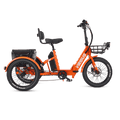


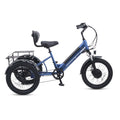

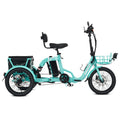

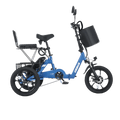





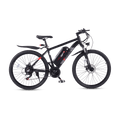


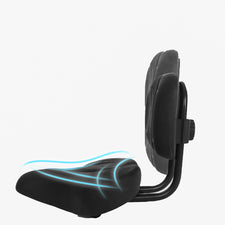


Electric bicycles are allowed in many U.S. national parks, but there are important rules riders must follow. In 2020, the National Park Service (NPS) finalized regulations that officially permitted e-bikes in national parks where traditional bicycles are already allowed. This rule became effective on December 2, 2020, and helped expand recreational and transportation opportunities for visitors across the National Park System.
However, e-bike access is not unlimited. Each park superintendent has the authority to decide where e-bikes can be used and what restrictions may apply. Before planning your trip, it is important to check the specific rules for the park you plan to visit.
What Is the National Park Service E-Bike Rule?
The National Park Service introduced a final regulation to address the growing popularity of electric bicycles. The regulation officially defines an electric bicycle and allows park superintendents to authorize e-bike use on roads, trails, and areas where regular bicycles are permitted.
The purpose of the rule is to balance recreation, transportation, visitor accessibility, and environmental protection. The NPS recognized that e-bikes provide an easier and more efficient way for people to explore parks while reducing reliance on motor vehicles.
The regulation also supports Department of the Interior initiatives aimed at increasing outdoor recreation opportunities and encouraging active transportation on public lands.
Where Are E-Bikes Allowed in National Parks?
In general, e-bikes are allowed anywhere traditional bicycles are permitted. This may include:
- Paved park roads
- Designated bike trails
- Shared-use pathways
- Campground roads
- Certain multi-use trails
However, e-bikes are typically not allowed in wilderness areas or on trails closed to bicycles. Some parks may also limit access based on trail conditions, congestion, environmental concerns, or visitor safety.
Why Rules Differ Between Parks
Every national park has unique terrain, wildlife, visitor traffic, and environmental concerns. Because of this, park superintendents can create park-specific rules regarding e-bike access.
For example, one park may allow Class 1 e-bikes on bike trails, while another may restrict e-bike use to paved roads only.
Types of E-Bikes Commonly Allowed in National Parks
Most national parks follow federal e-bike classifications.
Class 1 E-Bikes
Class 1 e-bikes provide pedal-assist only and stop assisting at 20 mph. These are the most widely accepted types in parks.
Class 2 E-Bikes
Class 2 e-bikes include a throttle that can power the bike without pedaling, with assistance up to 20 mph.
Class 3 E-Bikes
Class 3 e-bikes provide pedal assistance up to 28 mph. Some parks may restrict or prohibit Class 3 models on certain trails because of higher speeds.
Always verify local regulations before riding a Class 3 e-bike in a national park.
Important Safety Tips for Riding E-Bikes in National Parks
Safety is extremely important when riding an electric bicycle in busy park environments. Riders should follow all traffic laws, trail rules, and park regulations.
- Wear Proper Safety Gear
Always wear a properly fitted helmet and use visible clothing or reflective gear. Front and rear lights are also recommended, especially during low-light conditions.
- Ride at Safe Speeds
E-bikes can accelerate quickly, especially on downhill sections. Slow down near pedestrians, intersections, wildlife areas, and crowded trails.
- Know Your Route
Carry park maps and review trail information before starting your ride. Some areas may have seasonal closures, construction, or temporary restrictions.
- Respect Other Trail Users
National parks are shared spaces. Be courteous to hikers, wildlife viewers, runners, and other cyclists. Yield when necessary and maintain safe passing distances.
- Be Aware of Bike Weight
E-bikes are heavier than traditional bicycles because of their motor and battery systems. Mounting, dismounting, and handling the bike may require extra caution.
Are E-Bikes Allowed in Wilderness Areas?
No. Just like traditional bicycles, e-bikes are generally prohibited in federally designated wilderness areas within national parks.
These protected areas are managed to preserve natural conditions and limit mechanized transportation.
How to Check E-Bike Rules Before Visiting a National Park
Because rules can vary by park, riders should always review current regulations before traveling. Check:
- Official park websites
- Visitor center information
- Trail signage
- Local safety advisories
- Seasonal restrictions
Park staff can also provide guidance about approved riding areas and current trail conditions.
8 Best National Parks to Ride an Ebike
Many U.S. national parks now allow e-bikes anywhere traditional bicycles are permitted, making them an excellent option for outdoor adventures.
1. Yellowstone National Park
Yellowstone is one of the most iconic places to ride an e-bike. The park features wide scenic roads, geothermal attractions, wildlife viewing opportunities, and incredible mountain landscapes.
E-bikes help riders manage Yellowstone’s long distances and rolling terrain while enjoying stops at geysers, lakes, waterfalls, and hot springs.
Best Areas to Ride
- Old Faithful area
- Grand Loop Road
- West Yellowstone entrances
- Scenic pullout routes
Spring and fall are especially popular because traffic is lighter.
2. Zion National Park
Zion is considered one of the best national parks for e-bike riding because many visitors use bikes to avoid shuttle crowds and enjoy the canyon scenery at a slower pace.
The Zion Canyon Scenic Drive is ideal for e-bikes. Riders can enjoy towering canyon walls, red rock scenery, and peaceful riding conditions.
Highlights
- Minimal vehicle traffic during shuttle season
- Smooth paved roads
- Stunning canyon views
- Easier uphill riding with pedal assist
Zion’s scenic routes are beginner-friendly and incredibly photogenic.
3. Acadia National Park
Acadia offers one of the most bike-friendly experiences in the national park system.
The park’s historic carriage roads provide miles of vehicle-free riding through forests, lakes, and granite mountains.
Pedal assist makes climbing Acadia’s hills easier while allowing riders to enjoy longer scenic loops around the park.
Popular routes
- Eagle Lake Loop
- Jordan Pond
- Bubble Pond area
- Park Loop Road
Fall foliage season is especially beautiful for e-bike riders.
4. Glacier National Park
Glacier is famous for the breathtaking Going-to-the-Sun Road, one of the most scenic drives in America.
The road features long mountain climbs that can be challenging on a regular bicycle. E-bikes make the journey more manageable and enjoyable.
Cyclists often visit in spring or early summer before the road fully opens to vehicle traffic, creating a quieter and safer riding experience.
Expect:
- Alpine scenery
- Waterfalls
- Glacier views
- Wildlife sightings
5. Grand Canyon National Park
The South Rim offers excellent paved greenways and scenic roads for e-bike exploration.
The canyon rim routes are relatively accessible, and e-bikes help riders comfortably travel between viewpoints without relying on shuttle buses.
Popular Riding Areas
- Hermit Road
- Greenway Trail
- Visitor center pathways
- South Rim scenic overlooks
Sunrise and sunset rides here are unforgettable.
6. Yosemite National Park
Yosemite Valley is one of the best places to ride an e-bike thanks to its flat terrain and spectacular scenery.
The valley features paved bike paths connecting major attractions, campgrounds, and visitor areas.
What You’ll See
- El Capitan
- Half Dome
- Yosemite Falls
- Merced River
E-bikes are especially helpful during busy summer months when vehicle traffic becomes congested.
7. Rocky Mountain National Park
Rocky Mountain National Park offers incredible mountain riding opportunities with dramatic elevation changes.
Pedal assistance helps riders handle steep climbs and high-altitude conditions more comfortably.
Scenic Highlights
- Trail Ridge Road
- Moraine Park area
- Estes Park access routes
- Alpine viewpoints
Weather can change quickly, so preparation is important.
8. Bryce Canyon National Park
Bryce Canyon’s paved shared-use path makes it a fantastic destination for relaxed e-bike riding.
Riders can cruise along rim viewpoints while enjoying unique red rock hoodoo formations.
Why It Stands Out
- Cooler temperatures than many desert parks
- Smooth paved routes
- Less traffic than larger parks
- Amazing sunrise scenery
It is especially popular for casual riders and families.
How To Avoid Fines For Riding Your E-Bike In National Parks
Riding an e-bike through America’s national parks can be an incredible experience, but ignoring park regulations can quickly lead to fines, warnings, or restricted access. Although many national parks now allow electric bicycles, riders must still follow park-specific rules, trail restrictions, and safety regulations.
Common Reasons Riders Receive Fines
|
Violation |
Possible Consequence |
|
Riding on prohibited trails |
Citation or fine |
|
Speeding in shared-use areas |
Warning or ticket |
|
Entering wilderness areas |
Federal penalties |
|
Ignoring closure signs |
Fines or removal |
|
Disturbing wildlife |
Serious penalties |
|
Unsafe riding behavior |
Ranger enforcement |
Not Every Trail Allows E-Bikes
One of the most common mistakes riders make is assuming e-bikes are allowed everywhere. In reality, many hiking trails, backcountry routes, and wilderness areas prohibit bicycles entirely, including e-bikes.
Before riding, always verify:
- Approved bike trails
- Road access rules
- Trail closures
- Seasonal restrictions
- Park-specific e-bike policies
Know Your E-Bike Class
Different national parks may regulate e-bikes based on their classification.
Class 1 E-Bikes
Class 1 e-bikes provide pedal assist only and stop assisting at 20 mph. These are the most commonly accepted models in national parks.
Class 2 E-Bikes
Class 2 e-bikes include a throttle function. Some parks may limit where throttle-powered bikes can operate.
Class 3 E-Bikes
Class 3 e-bikes can reach speeds up to 28 mph with pedal assist. Certain parks restrict or prohibit them on shared pathways and recreational trails because of safety concerns.
Always check whether your e-bike class is permitted before entering the park.
Stay on Approved Roads and Bike Routes
Many fines happen because riders leave designated cycling areas.
Avoid Restricted Trails
National parks often separate:
- Hiking trails
- Horse trails
- Wilderness routes
- Bicycle-access areas
Even if a trail appears rideable, it may still be illegal for e-bike use.
Follow Trail Signs Carefully
Pay attention to:
- “No Bikes” signs
- Speed limit signs
- Trail closure notices
- Wildlife protection warnings
Park rangers regularly patrol popular riding areas, especially during busy seasons.
Obey Speed Limits
E-bikes can accelerate quickly, especially downhill. Excessive speed is one of the easiest ways to attract attention from park rangers.
National parks are shared spaces with:
- Hikers
- Families
- Wildlife watchers
- Shuttle buses
- Traditional cyclists
Slow down in crowded areas, scenic overlooks, intersections, and campgrounds. Even if your e-bike is capable of high speeds, aggressive riding may violate park rules and create safety hazards.
Respect Wildlife Protection Rules
Many national parks enforce strict regulations designed to protect wildlife habitats.
Do not chase, approach, or crowd wildlife while riding. Sudden encounters with animals can also be dangerous for cyclists.
Certain roads or trails may close temporarily during:
- Wildlife migrations
- Nesting seasons
- Storm damage
- Habitat restoration projects
Ignoring closures can result in significant fines.
Wear Required Safety Equipment
Some states and parks require helmets for certain riders or e-bike classes.
To avoid problems and improve safety, bring:
- A properly fitted helmet
- Front and rear bike lights
- Reflective clothing
- Water and emergency supplies
- A bike repair kit
Being properly equipped also helps park staff view riders as responsible visitors.
Avoid Riding in Wilderness Areas
Federal wilderness areas prohibit mechanized transportation, including bicycles and e-bikes. These protected zones are managed to preserve natural conditions and reduce human impact. Entering wilderness areas with an e-bike can lead to fines and enforcement action.
Follow Local State Laws Inside the Park
National parks often overlap with state and local traffic regulations.
- Helmet requirements
- Age restrictions
- Speed regulations
- Lighting requirements
- Right-of-way laws
You may need to follow both federal park rules and state bicycle laws simultaneously.
Check Park Websites Before Your Trip
Rules can change frequently depending on weather, construction, wildlife activity, or trail conditions.
Before visiting, review:
- Official park maps
- Current closures
- E-bike access rules
- Safety advisories
- Permit requirements
Final Thoughts
Before your trip, take time to review the specific rules for the national park you plan to visit. Following local regulations, riding responsibly, and respecting other visitors will help ensure that e-bikes remain a positive part of the national park experience for years to come.
FAQs
Are ebikes allowed on bike trails?
Yes, e-bikes are allowed on many bike trails, but the rules depend on the specific trail, park, state, or land agency managing the area.
Are electric bikes allowed on the road?
Yes, electric bikes are allowed on most public roads in the United States, as long as they meet local e-bike laws and safety requirements. In many states, e-bikes are treated similarly to traditional bicycles, meaning riders can legally use them on streets, bike lanes, and designated cycling routes.
Can you ride an ebike in the national forest?
Yes, you can ride an e-bike in many U.S. national forests, but access depends on the specific forest, trail designation, and the class of e-bike you are using. National forests are managed by the United States Forest Service, and e-bike rules can vary between different forests and trail systems.
Are e bikes allowed in state parks?
Yes, e-bikes are allowed in many state parks across the United States, but the rules vary by state, park, and trail type. In most cases, electric bikes are permitted anywhere traditional bicycles are allowed, although some parks restrict certain e-bike classes or prohibit them on specific trails.
Is an ebike a motorized vehicle?
An e-bike is not usually considered a motorized vehicle in most U.S. states, as long as it meets legal e-bike classifications (Class 1–3).
Are e-bikes allowed in Yellowstone National Park?
Yes, e-bikes are allowed in Yellowstone National Park, but only in specific areas such as park roads open to vehicles, designated bicycle routes, and certain parking or developed zones; they are not allowed on hiking trails, boardwalks, or wilderness areas.
E-bikes used in the park must also meet federal definitions (typically Class 1 or Class 3 e-bikes), and park managers may further restrict access in certain sensitive or high-traffic areas to protect safety and natural resources.
Can I ride my ebike in Zion National Park?
Yes, you can ride an e-bike in Zion National Park, but only in designated areas where traditional bicycles are allowed. In Zion, e-bikes are generally permitted on park roads and the Zion Canyon Scenic Drive (especially during shuttle season when private vehicles are restricted), as well as on certain paved bike paths and developed areas, but they are not allowed on hiking trails, off-road routes, or wilderness areas.
Can I ride my E-bike in Sequoia National Park in California?
Yes, you can ride an e-bike in Sequoia National Park, but only in limited, designated areas. E-bikes are generally allowed on park roads open to vehicles and in developed areas where traditional bicycles are permitted, but they are not allowed on hiking trails, wilderness areas, or most backcountry routes.
Are e-bikes allowed in Grand Teton National Park?
Yes, e-bikes are allowed in Grand Teton National Park, but only in specific areas where traditional bicycles are also permitted. In general, you can ride e-bikes on park roads open to vehicles and on designated multi-use paths, such as sections around Jackson Lake and developed corridor areas, but they are not allowed on hiking trails, backcountry routes, or wilderness areas.





Leave a comment
All comments are moderated before being published.
This site is protected by hCaptcha and the hCaptcha Privacy Policy and Terms of Service apply.