









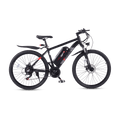




Look at a 7-speed bike, and you’ll see seven cogs neatly stacked on the rear wheel. That’s it—no front derailleurs to fuss over, no double-lever confusion, just seven distinct levels of resistance to keep your legs happy.
For city commuters, casual weekend cruisers, and everyday errand-runners, a 7-speed drivetrain hits the sweet spot: it gives you enough gears to take the sting out of local hills without cluttering your handlebars with dials and cables you’ll never use.
But how do these seven gears actually translate to real-world riding? Which gear should you drop into when heading uphill or cruising down a flat bike path? Let’s break down everything you need to know about 7-speed bike gears, human-style.
Gear 1 (Largest Cog): Super light pedaling. Best for steep inclines and starting from a dead stop.
Gears 2–5 (Middle Cogs): Your everyday zone. Perfect for relaxed city cruising and flat neighborhood roads.
Gears 6–7 (Smallest Cogs): Heavy resistance. Designed for downhill stretches or building top speed on flat paved roads.
What Exactly Is a 7-Speed Bike?
Most modern 7-speed bicycles use what mechanics call a 1x7 drivetrain ("one-by-seven"). That simply means you have one single chainring at the front pedals and seven cogs on the back wheel.
Because there is only one front chainring, shifting is wonderfully intuitive. You only manage a single shifter on your right handlebar. Turn or click it, and the chain glides up or down the rear cassette. Larger rear cogs give you lighter pedaling; smaller cogs give you harder, faster pedaling.
The 4 Key Parts Doing the Heavy Lifting
Understanding your bike doesn't require a engineering degree. Here are the four simple components making your ride smooth:
The Resistance Center
Seven physical rings on the back wheel. Big rings = easy pedaling. Small rings = high-speed effort.
The Single Driver
With just one front ring, you never have to worry about cross-chaining or dropping your chain between front gears.
The Muscle
The spring-loaded arm that physically guides your chain from cog to cog whenever you shift.
Your Control Point
A grip-twist or thumb-trigger on your handlebar. Click once, move one gear. Simple.
Real-World Shifting: What Gear to Use When?
Stop overthinking gear numbers while you ride. Instead, listen to your legs:
If your knees feel like they're working too hard or your pedaling feels sluggish, shift into an easier gear (towards Gear 1). If your legs are spinning like a blender without pushing the bike forward, shift into a harder gear (towards Gear 7).
| Riding Scenario | Recommended Gear | Why It Works |
|---|---|---|
| Starting at a Red Light | Low Gear (1–2) | Prevents heavy knee strain when getting moving from 0 mph. |
| Climbing Hills / Headwinds | Low Gear (1–3) | Keeps your legs spinning smoothly without blowing out your energy. |
| Casual Flat Cruising | Mid Gear (3–5) | Balances smooth pedaling speed with moderate resistance. |
| Cruising Downhill / Sprinting | High Gear (6–7) | Maintains pedal traction so your feet don't spin uncontrollably. |
💡 Golden Rule of Shifting: Anticipate the Hill
Don't wait until you’re halfway up a steep hill and barely moving to gear down. Shift into an easier gear before the incline starts. Shifting under heavy pedal strain wears down your chain and makes a loud clunking noise!

7-Speed vs. 21-Speed: Do You Really Need More Gears?
A common misconception is that a 21-speed bike is three times faster than a 7-speed bike. It isn't.
A 21-speed system simply uses 3 front chainrings multiplied by 7 rear cogs. While it offers a wider range for steep mountain trails, it comes with a trade-off: duplicate gear ratios, extra derailleur maintenance, and a steeper learning curve.
| Feature | 7-Speed Drivetrain | 21-Speed Drivetrain |
|---|---|---|
| Drivetrain Layout | 1 Front x 7 Rear (1x7) | 3 Front x 7 Rear (3x7) |
| Shifting Experience | Intuitive, single-shifter operation | Requires coordinating left & right shifters |
| Maintenance | Low & straightforward | Requires regular tuning of two derailleurs |
| Best Match For | City roads, bike paths, casual commutes | Mountain terrain, extreme climbs |
Who Should Choose a 7-Speed Bike?
a 7-Speed Bike Is Right for You If:
- You stick primarily to paved streets, park paths, and neighborhood commutes.
- You want a stress-free riding experience without gear guesswork.
- You value easy maintenance and clean handlebar design.
- You're getting back into riding or prefer a practical, comfortable cruiser.
Look for More Gears If:
- Your daily route involves constant, wall-like mountain climbs.
- You do fast-paced road cycling where microscopic cadence tweaks matter.

Viribus 7-Speed Rides: Engineered for Comfort
At Viribus, we pair reliable Shimano 7-speed drivetrains with ergonomic upright geometry—giving you smooth, reliable shifting built around daily practical living:

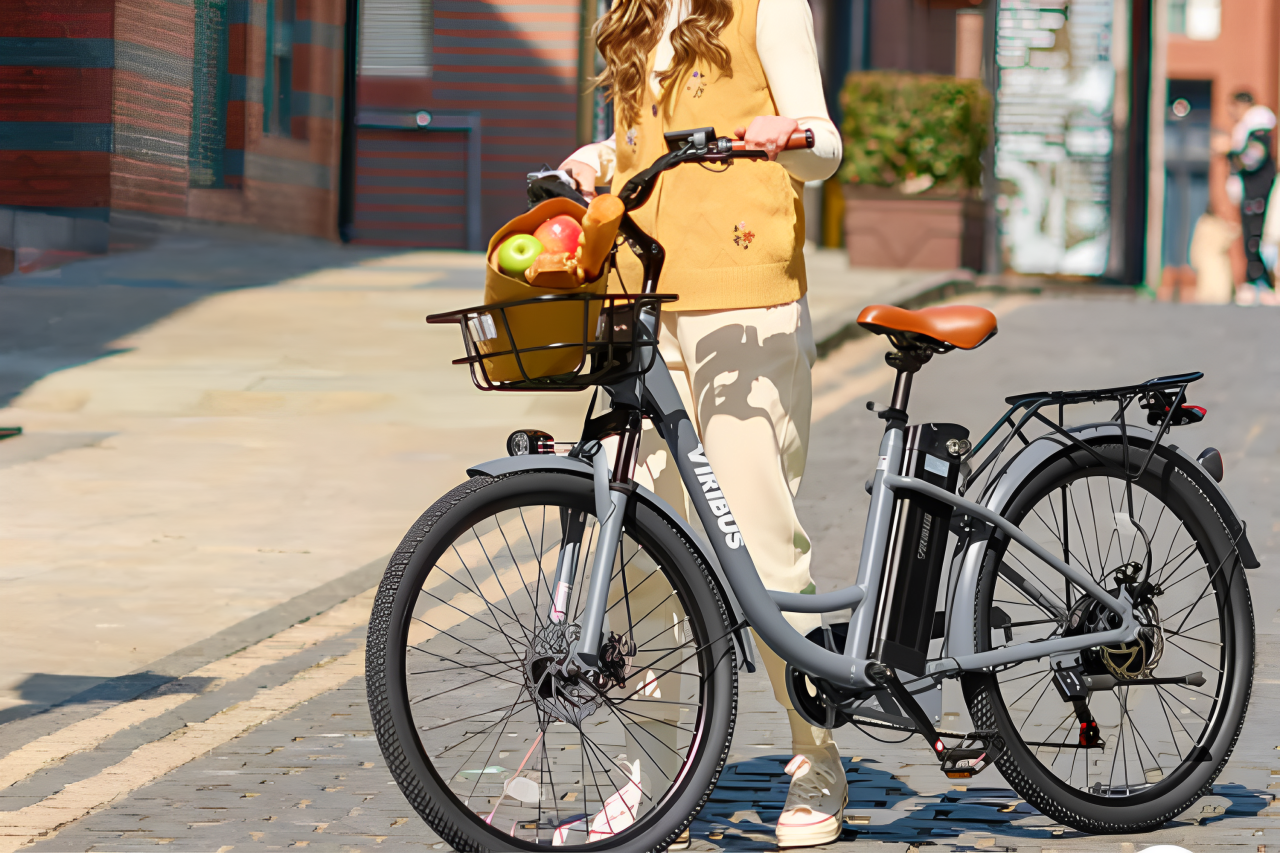
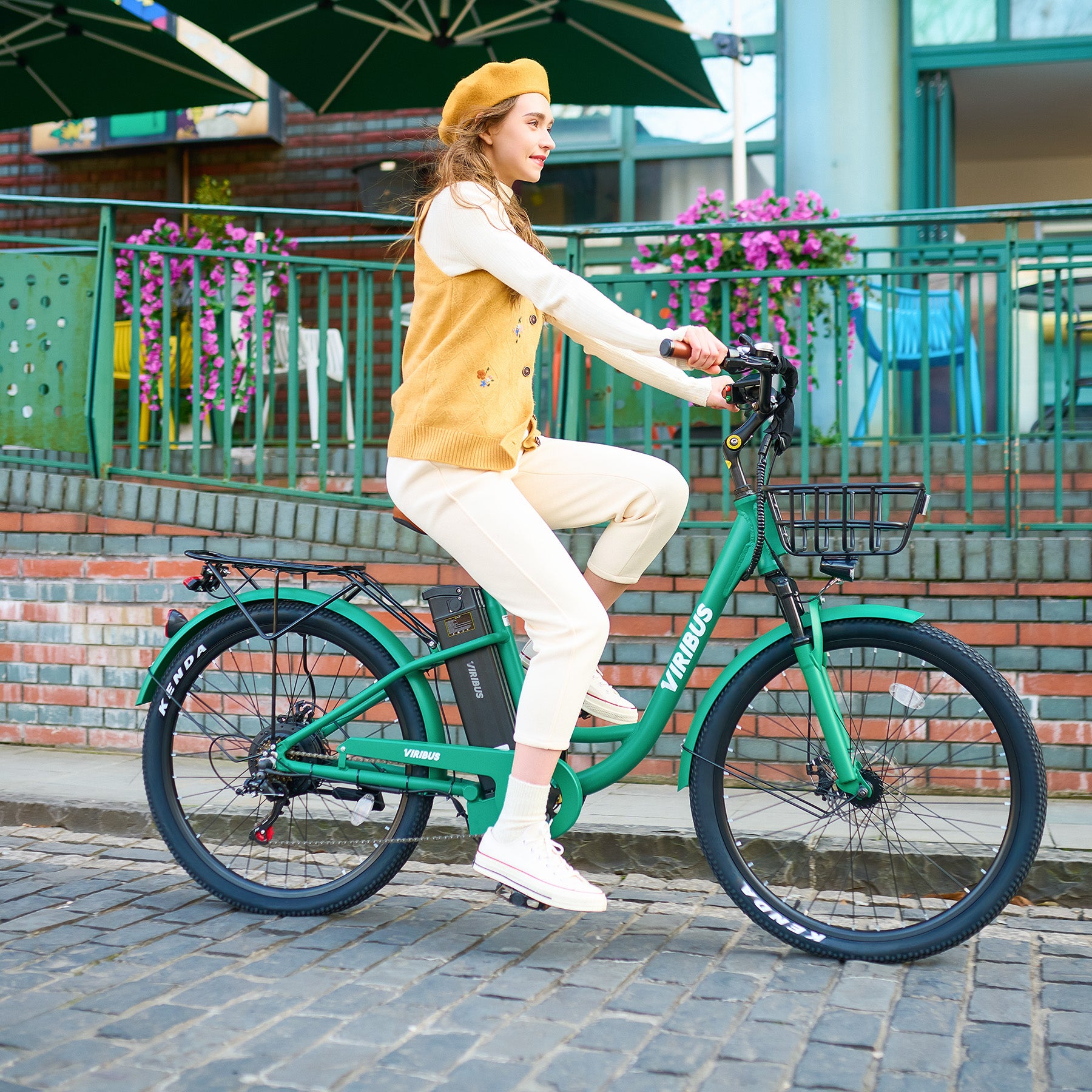
Viribus Cruising Bike for Women
Combines classic step-through style with a versatile 7-speed Shimano setup and front/rear basket capacity for grocery runs.

Viribus 28 inch Hybrid Bike
This lightweight hybrid bike rolls on smooth 700C tires, keeps you upright with a flat handlebar, and shifts effortlessly through 7 speeds.
Frequently Asked Questions
Looking for the Ultimate Blend of Stability & Power?
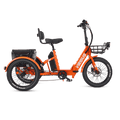
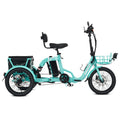
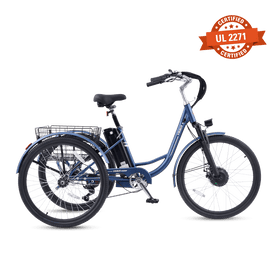
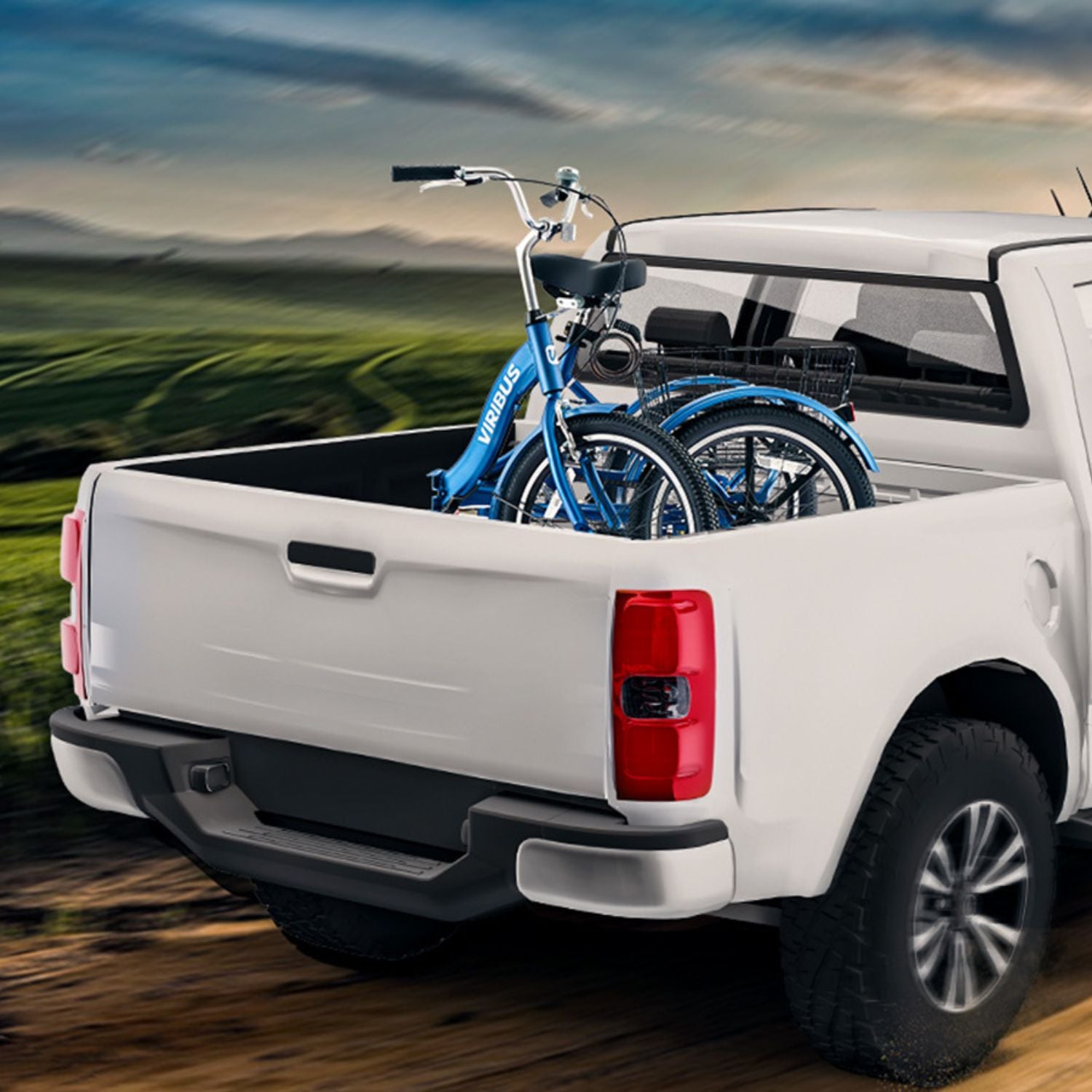
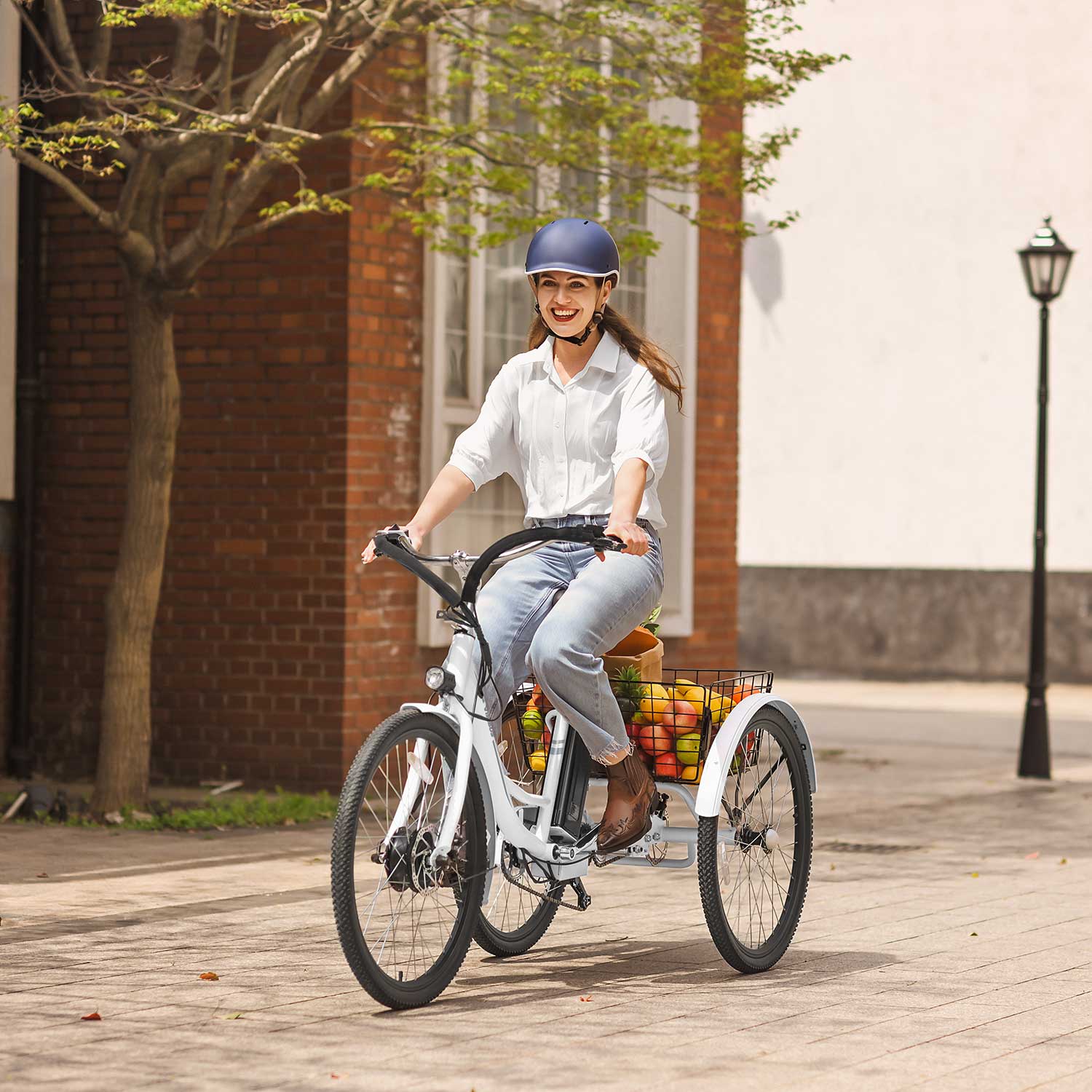
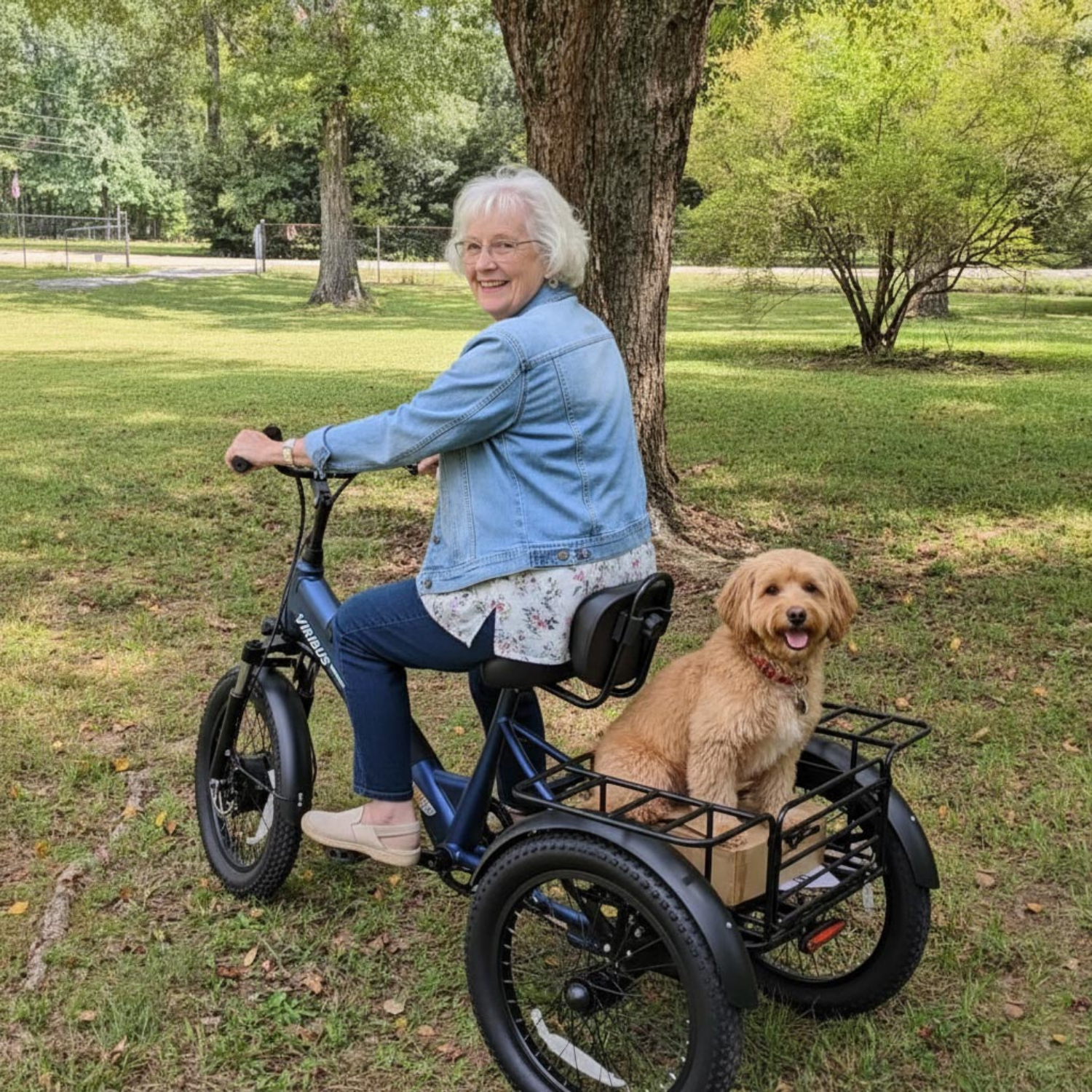
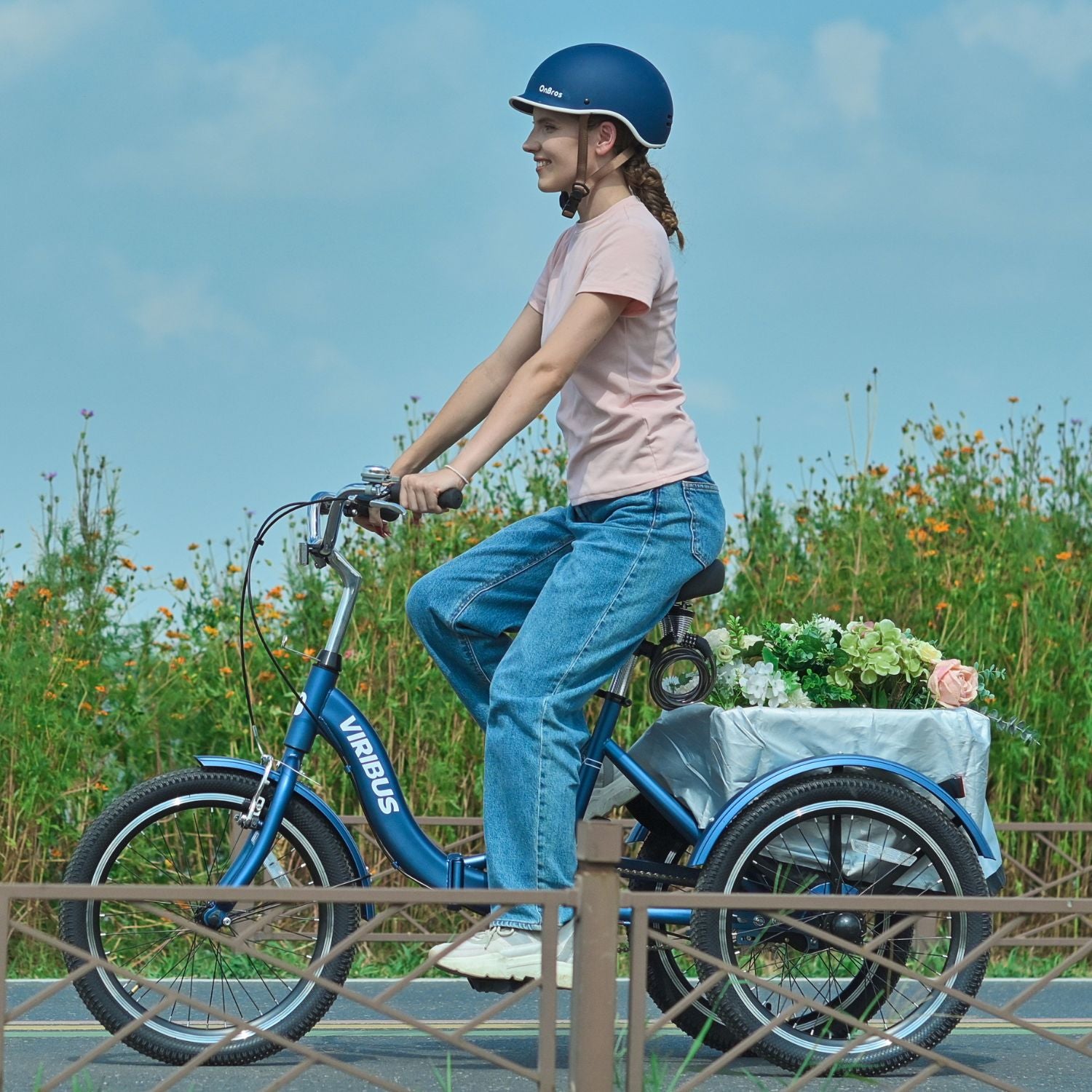
Take your riding to the next level with the all-new Viribus ST1 Folding Electric Tricycle. Combining smooth multi-speed versatility, electric motor assistance, and a space-saving foldable design—it’s built to make every commute, grocery run, and weekend cruise completely effortless.

Discover the ST1 E-Trike →








Leave a comment
All comments are moderated before being published.
This site is protected by hCaptcha and the hCaptcha Privacy Policy and Terms of Service apply.