


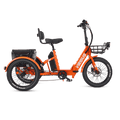


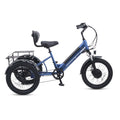
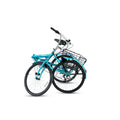

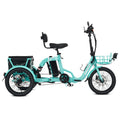

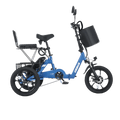





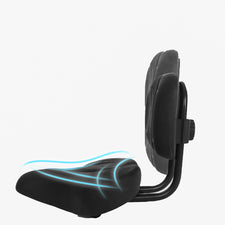


Riding a tricycle for adults is not the same as riding a regular bicycle—and the differences are very noticeable. First, a 3-wheel bike has,well, three wheels, and so it feels much more stable than a normal bicycle, which can throw you off. If you are trying an electric tricycle, you will quickly realize that all your previous cycling knowledge does not quite apply, especially if you have not been prepped.
So, let's do that. Let's get you prepped for those beginning days on your adult tricycle. Here are quick tips on how to ride your adult tricycle and master it in a short time.
The Difference Between Tricycles and Bicycles: How to Ride

Although tricycles and bicycles may look similar, they ride very differently. Understanding these differences can help beginners feel safer, more confident, and more comfortable on the road.
Number of Wheels and Balance
The biggest difference is the number of wheels. A bicycle has two wheels and requires the rider to balance while moving. A tricycle has three wheels, allowing it to remain stable even when stopped.
Because of this:
- Bicycles lean naturally when turning
- Tricycles stay upright at all times
- Tricycles are generally easier for beginners, seniors, and riders with balance concerns
Turning Style
Bicycles turn by leaning into corners, while tricycles rely more on steering control. Riders who are used to bicycles often try to lean too much on a tricycle, which can reduce stability.
When riding a tricycle:
- Take wider turns
- Slow down before corners
- Keep your body centered
- Avoid sharp, fast turns
Riding Position and Comfort
Tricycles usually offer a more upright and relaxed riding position. Many models include larger seats, baskets, and step-through frames for easier mounting and comfort.
Bicycles are often lighter and faster, making them better for speed and long-distance riding.
Speed and Handling
Bicycles are generally faster and more agile because they are lighter and designed for efficient movement. Tricycles are slower but provide greater stability and cargo capacity.
Learn More:
Tricycles vs. Bicycles: Which Is Safer for You?
Electric tricycle vs electric bicycle: Which one is more cost-effective?
1. Adjust the Seat and Handlebars
When mounting a tricycle for adults for the first time, your first objective should be to get into a comfortable riding position. Usually, this means making some adjustments, especially to the seat and handlebars.

- Make sure the seat and handlebars are adjusted to your height. If they are too high, you’ll be stretched; too low, you’ll lose power and strain your knees.
- Start by adjusting the seat so that when you’re seated with one pedal at the lowest point, your knee should bend slightly. Your back should also be upright, and your hands should easily reach the handlebars.
- This position is safe and comfortable in the short run, but especially in the long run if you plan to ride your tricycle frequently.
Check that all bolts and levers are secure to avoid wobbles. Also, check that the wheels and tires are inflated and ready to roll smoothly.
2. Get to Know Your Adult Trike on Flat Ground
Where you learn how to ride your adult tricycle also matters. Choose a flat, open area without traffic, like an empty parking lot or quiet street. Here, you should have enough space to practice without running into obstacles or steep inclines.
When you mount for the first time, do not take off immediately.

Take a few moments just sitting on the trike, getting used to its weight and feel. You will quickly notice that you’re already balanced!
The fact that you don’t need to worry about tipping over while stationary lets you focus on controlling speed and direction.
3. Start Pedaling Slowly
When you are ready, place your feet on the pedals and push off slowly. Adult tricycles handle differently than bikes, so you don’t want to rush just yet. Start with a slow, steady pedaling rhythm, observe how the trike reacts, and get used to it.
Since tricycles don’t need you to balance, let your upper body relax and stay straight. Trust your legs to handle the power, and the trike will stay stable as you go.
4. Making Turns: Go Wide and Slow
Unlike regular bicycles, steering a tricycle is all about control rather than balance. Remember that the tricycle doesn’t lean on you. If you turn too sharply, especially at speed, it can tip to the side.
So, keep your grip on the handlebars firm but not too tight, and avoid sudden or sharp turns.
Eventually, start with gentle, gradual turns until you’re comfortable with the trike’s handling.

Before every ride, a few simple safety checks can significantly improve turning stability and overall control.
Pre-Turn Preparation
- Check the Tire Air Pressure
Proper tire pressure helps maintain traction and balance while turning. Underinflated tires can feel sluggish and unstable, especially during corners. Overinflated tires may reduce grip on uneven surfaces.
Always check your tire pressure before riding and follow the manufacturer’s recommended PSI levels. Properly inflated tires improve handling, steering response, and rider safety.
- Inspect Your Brakes
Reliable brakes allow you to slow down smoothly before entering a turn. Poor braking performance can force riders into corners too quickly, increasing the likelihood of tipping.
Test both the front and rear brakes before every ride. Make sure the brakes engage evenly and provide controlled stopping power without grabbing suddenly.
- Plan Wider Turning Paths
Because tricycles have a wider rear frame, tight corners can cause the back wheels to hit curbs or obstacles that the front wheel already cleared.
Always give yourself extra turning space. Slow down early, steer smoothly, and allow the rear wheels enough room to follow safely through the corner.
Mastering Turns on an Adult Tricycle
For a beginner learning how to ride a tricycle, you have to spend a long time understanding how to turn with the vehicle. Remember, tricycles have three wheels, so they handle turns differently. Here are some tips:
- When turning, slow down and make the turn wide and smooth to prevent any wobbling.
- As you approach a turn, start slowing down a bit. Guide the trike gently with the handlebars, making sure to keep the turn as wide as possible.
Keep in mind that quick, tight turns increase the chance of tipping, especially if you’re moving at a higher speed (which you should not be attempting at this point).
Tips to Avoid Tipping Over
Turning a tricycle is different from riding a regular bicycle because trikes do not lean naturally into corners. Using the right turning technique helps improve balance, stability, and safety.
Take Wider Turns
Tricycles are wider at the back, so tight turns can cause the rear wheels to hit curbs or obstacles. Always make wider turns and allow the front wheel to clear the corner before the rear wheels follow. This is especially important on sidewalks, bike paths, and crowded areas.
Slow Down Before Turning
Speed is a major factor in tricycle safety. Turning too fast can lift the inside rear wheel and increase the risk of tipping. Slow down before entering the turn, steer smoothly, and accelerate gradually after exiting the corner.
Be extra careful when:
- Riding downhill
- Turning on wet or uneven surfaces
- Carrying cargo
- Using electric tricycles
Keep Your Weight Balanced
Avoid leaning sharply into turns like you would on a bicycle. Instead, stay centered and keep both hands firmly on the handlebars. For sharper turns, slightly shifting your weight outward can improve stability and help keep all three wheels grounded.
Practice Gradual Turns
New riders should practice turning in open, flat areas. Start with slow, wide turns to build confidence and improve control. As you gain experience, gradually practice tighter turns while maintaining smooth steering and balance.
Understand Your Tricycle
Every tricycle handles differently. Electric trikes, cargo trikes, and folding models may respond differently during turns due to weight distribution and wheel design. Spend time learning how your specific trike reacts before riding in busy or challenging areas.
5. Braking Safely
Practicing your bakes should be a crucial part of learning how to ride your adult tricycle. Most adult trikes usually have hand brakes (like a bike) or coaster brakes (backpedaling brakes). Practice both slow and faster stops so you know how quickly you can stop in various situations.

If your 3-wheel bike has hand brakes, use them gently to avoid any jerky stops. Also, avoid slamming the brakes abruptly: this could jolt you forward or disrupt the stability of the bike. As a beginner, this could be a disaster.
Try to practice braking at different speeds, so you’re prepared to stop smoothly in traffic or at intersections.
6. Getting Used to Uneven Terrain
When you are fairly familiar with riding your tricycle on even terrain, it is time to brave more even routes. You will quickly notice that riding any tricycle on uneven ground feels different from a bike because all three wheels stay in contact with the ground.
This means you’ll feel more bumps and may notice the trike “rocking” slightly as each wheel adjusts, especially if your trike does not have a suspension system.

When approaching uneven terrain, like small bumps or gravel or small bumps on an adult tricycle, the first step is to slow down to a slower speed.
When going up or down a curb on your adult tricycle, take it at an angle. This helps prevent the trike from jolting or getting “stuck” against the curb edge.
7. Stopping and Getting Off
One of the perks of an adult trike is that you don’t need to balance when you stop. Simply brake and come to a gentle stop—your feet can stay on the pedals.
It is advisable to come to a complete stop before you dismount. Set one foot on the ground, and stand up. Some riders prefer stepping off to one side, depending on the trike’s frame height.
8. Parking and Backing Up
When parking, always engage any parking brake (if your trike has one). This feature prevents it from rolling away on inclines.
To back up, you usually can’t just pedal backwards (most trikes don’t reverse). Instead, step off the trike and manually push it backward as needed. Practice a bit, as backing up can be helpful for parking or maneuvering in tight spaces.
Advanced Tips: Level Up Your Game
Add Accessories for Safety and Storage:

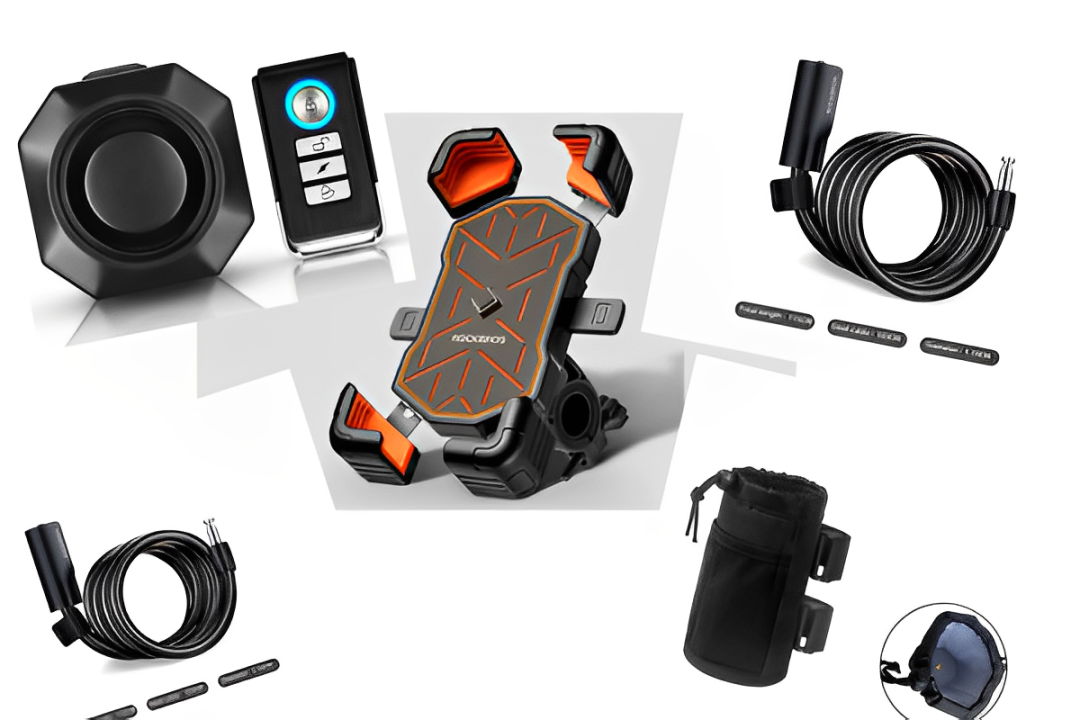
If you are riding on roads, consider using a flag or wearing reflexive strips. In spite of their considerable size (compared to bicycles), they are lower to the ground, and sometimes car drivers cannot see them clearly.
Most adult tricycles have a rear basket—perfect for groceries or gear! Just remember not to overload it: extra weight can affect your handling.
Build Up Speed Gradually:
As you get more comfortable, increase your speed in increments. Try not to do too much, though: tricks handle great at low to moderate speeds but can feel unstable at higher speeds if you’re not experienced.
Ride to Enjoy
The last and final tip for riding your tricycle is to ride to enjoy yourself. There will always be a small measure of fear, but do not let that take away from the joy of trying something new. Your tricyle is stable safe and sturdy enough to hold you, especially if it is one from Viribus.
Best Viribus 3 Wheel Tricycle for Adults
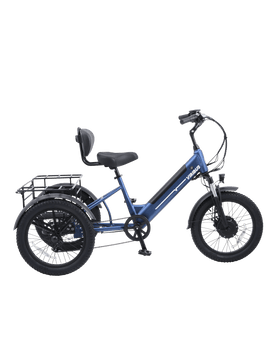
Viribus tricycles are made for the ultimate riding experience for both beginners and long time tricycle experts. Flagship Viribus electric tricycles such as the TG1 Pro Electric Tricycle are designed to be low enough to enable any adult get on and off. There are so many reasons why these bikes are perfect for adults.

- The 350w motor is just powerful enough to provide that balance of adventure and safety.
- The lithium-on batteries are capable and formidable, providing within a range of 31–38 miles per charge (depending on the model you choose)
- The TG Pro Electric even comes with a sophisticated suspension system to cushion against bumps on the road.
- The TG Electric Tricycle is perfect for older adults, the TG Plus Electric has more of a kick to it: there is something for everybody.
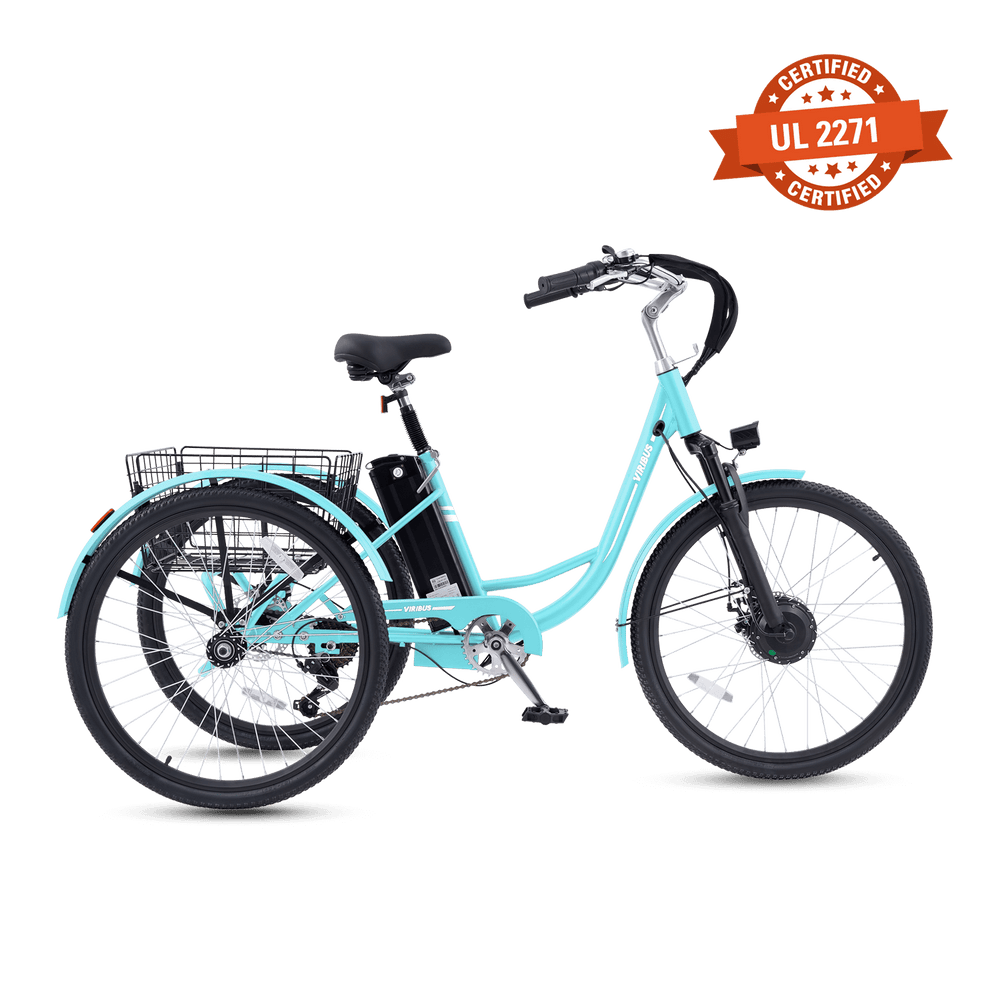
Finally, enjoy your ride with Vicibus, but also make sure you pay attention to some safety tips when riding any adult tricycle and also some important tips for first-time riders of tricycles.
FAQ
Are adult tricycles difficult to ride?
Adult tricycles are generally easier to ride than bicycles for many people, especially beginners, seniors, or riders with balance concerns. Because they have three wheels, tricycles stay stable without needing constant balancing.
Is there a trick to riding an adult tricycle?
Yes — the biggest trick to riding an adult tricycle is understanding that it handles differently from a regular bicycle. Instead of leaning into turns, tricycles stay upright, so smooth steering and speed control are very important.
Can you ride an adult tricycle on the sidewalk?
You may be able to ride an adult tricycle on sidewalks in some parts of the US, but local rules vary widely. When allowed, ride carefully, respect pedestrians, and prioritize safety at all times.
How to get used to riding a tricycle?
Getting used to a tricycle mainly requires learning its unique turning and steering style. By riding slowly, practicing wide turns, and staying relaxed, most riders become comfortable and confident after only a few rides.
Is it harder to pedal a tricycle?
Yes—pedaling a tricycle is often harder than a bicycle in terms of effort, but easier in terms of balance.
What is the easiest bike to ride for seniors?
The easiest bike for seniors is usually a step-through electric bike because it has a low frame for easy mounting and dismounting and pedal assist that reduces the effort needed to ride, especially on hills or longer distances.
For those who prioritize stability over everything, an electric tricycle is also a great option since it doesn’t require balancing at all and feels very secure when stopping or carrying items, though it is heavier and harder to turn.
Can you ride a tricycle if you can't ride a bike?
Yes, in most cases you can ride a tricycle even if you can’t ride a bicycle. The main reason is that a tricycle doesn’t require balancing, which is usually the hardest part of learning to ride a bike.
Since it has three wheels, it stays upright on its own, so you can focus just on pedaling, steering, and braking.
Many beginners, seniors, or people with balance concerns find tricycles much easier and more confidence-inspiring than bicycles.





Leave a comment
All comments are moderated before being published.
This site is protected by hCaptcha and the hCaptcha Privacy Policy and Terms of Service apply.