













Curious about the real weight of an electric bike? Maybe you’re wondering if it’ll squeeze onto your vehicle carrier. Could it make it up the apartment steps without too much trouble? Here’s a look at average numbers across models. Different styles show clear differences on the scale. Some are easier to lug than others. Think through lifting, loading, and shifting - small moves that matter. Solutions exist for each hurdle. Weight plays a big role in daily use. Choices add up fast once you start comparing.
How Much Do Electric Bikes Weigh
Some electric bicycles tip the scales at 40 to 80 pounds, give or take, shaped by what they’re built for. A lighter model meant for roads or daily rides often lands between 40 and 50 pounds. City-focused or trail-ready versions tend to sit heavier - anywhere from 50 up to 65. Rugged builds made for mountains or hauling loads might push 70 to 80 pounds, sometimes beyond. That added heft? Mainly thanks to a larger battery, motor guts, wiring, plus sturdier frames underneath. Even so, these bikes move more easily when help kicks in through pedal power.
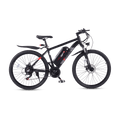
Viribus E Bike Weight Comparison
|
Category |
||
|
Image |
 |
 |
|
Bike Weight |
75.6 lb |
45 lb |
|
Battery Weight |
8.73 lb |
8.51 lb |
|
Total Payload Capacity |
265 lb |
330 lb |
|
Motor Power |
500W (peak 1000W) |
350W |
|
Battery |
48V 13Ah (624Wh) |
48V 10.4Ah |
|
Top Speed |
20 mph |
20 mph (throttle) / 24 mph (PAS) |
|
Pedal Assist Range |
45 miles |
20–40 miles |
|
Throttle Range |
25 miles |
Not specified |
|
Pedal Assist Levels |
5 levels |
3 levels |
|
Gearing |
Shimano 7-speed |
Shimano 21-speed (7x3) |
|
Suspension |
Spring fork (80 mm travel) |
Alloy front suspension fork |
|
Brakes |
160 mm mechanical disc |
160 mm mechanical disc |
|
Tires |
26" x 2.1" puncture-resistant |
26" x 2.0" |
|
Frame |
6061 Aluminum |
6061 Aluminum |
|
Display |
3.5" backlit LCD |
LCD with USB charging |
|
Charging Time |
4–6 hours |
~5 hours |
|
Waterproof Rating |
Not specified |
IP65 |
|
Recommended Rider Height |
5'5" – 6'3" |
5'1" – 6'2" |
Ebike Weight Limit by Type
|
Type of E-Bike |
Typical Weight |
|
Lightweight Folding E-Bikes |
35–55 lb |
|
Commuter / Hybrid |
45–65 lb |
|
Step-Through E-Bikes |
55–75 lb |
|
Fat Tire / Off-Road |
60–80+ lb |
|
Cargo / Utility |
70–100+ lb |
Ebike Weight Without Battery
|
Type |
Weight without battery |
|
Lightweight road |
~30–40 lb |
|
Commuter |
~40–55 lb |
|
Folding |
~45–60 lb |
|
Fat tire / cargo |
~55–80+ lb |
What Is the Lightest E-Bike?
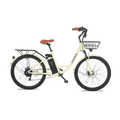
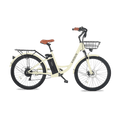
Heavy lifting? Not with the Viribus Panther. At around 45 pounds, this e-mountain bike feels less like hauling metal and more like guiding momentum. Its lean aluminum frame reduces bulk without compromising strength. Inside, a compact battery keeps the weight down while still delivering a practical range.
Loading it in and out of a vehicle is far more manageable. Fitting it onto crowded racks or into tight garage spaces no longer feels like a struggle. Even carrying it over short trail sections becomes realistic. Despite the lighter build, performance doesn’t take a hit—handling remains steady on rough terrain, daily rides stay smooth, and weekend adventures over roots and rocks are well within reach.
What Is the Heaviest E-Bike?
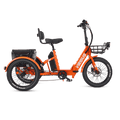
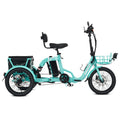
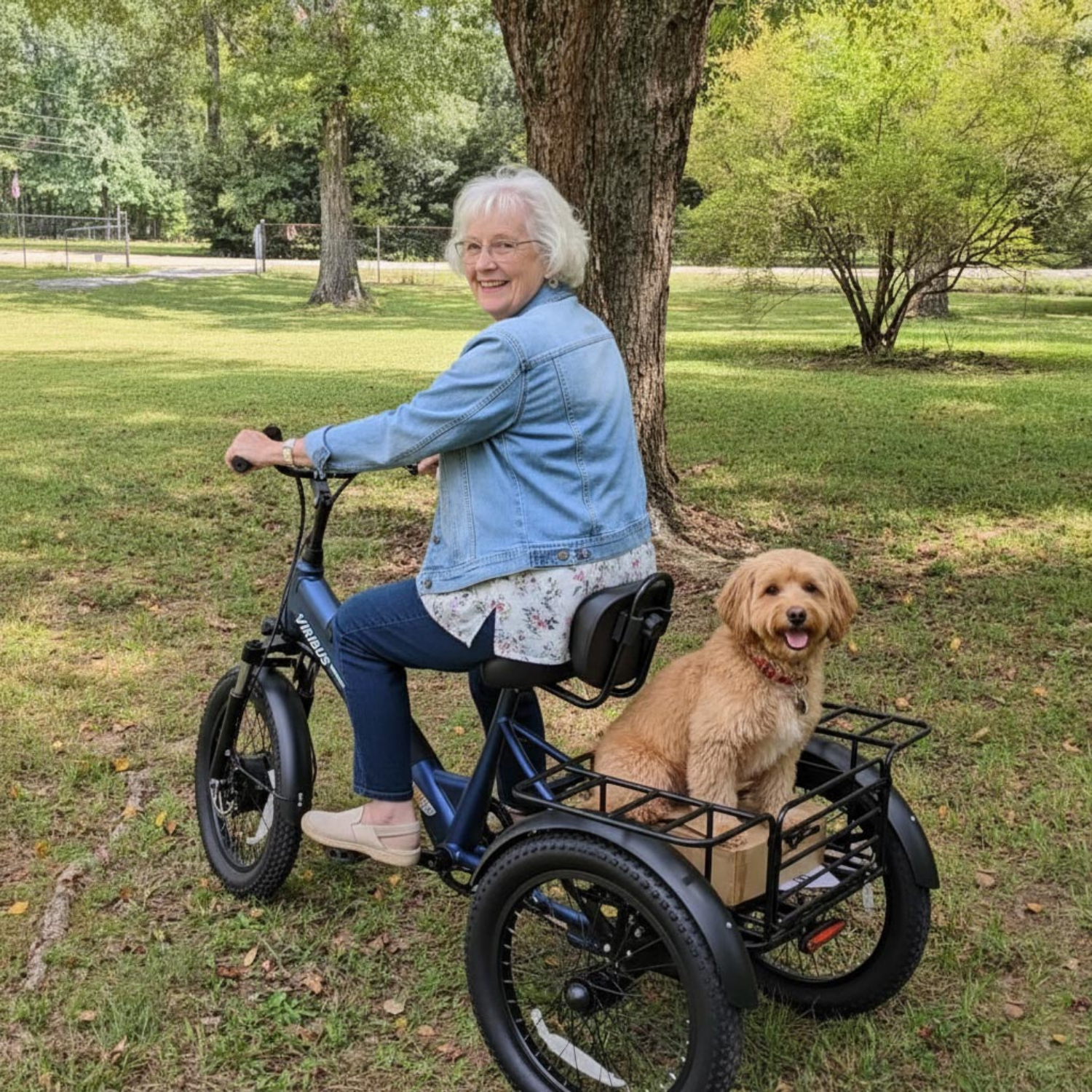
At the other end of the scale, the Viribus BZ1 weighs in at about 75.6 pounds (roughly 34.3 kg). That extra weight comes from a larger 624 Wh battery, a more robust frame, and added features like a front basket and rear rack.
Carrying it isn’t exactly effortless—especially compared to lighter models like the Panther. But that added mass brings clear benefits: improved stability, longer range, and strong performance for city riding. If you prioritize extended trips, smoother handling, or the ability to carry extra cargo, the BZ1 holds its own with confidence.
Factors That Influence How Heavy an eBike Is
Heavy ebikes usually pack stronger motors, longer battery life, and bigger frames. Lighter ones move more easily through traffic, fit into tight spaces, and carry up stairs without strain. Power meets control somewhere in between. Your daily route shapes what feels right. Bumpy paths favor mass, city streets reward agility. What matters most shows up after miles.
Frame Design
Heavy or light, it mostly comes down to how the frame is put together. Take step-through models - these need more support since they lack a top bar, so builders add material to keep them strong, tipping the scales a bit higher compared to classic diamond shapes. On different trails, bikes meant for dirt jumps or hauling stuff pack tougher frames, ready for punishment, yet that toughness means more pounds on the scale.
Frame Size and Material
Frames that take up more space need extra material, which adds pounds. Because aluminum mixes toughness with low weight, it shows up often in builds. Steel weighs more, yet holds up longer under strain. When carbon fiber enters the picture, ounces drop - though the price climbs fast.
Motor Type
Heavy right from the start, the motor often tips the scales on an eBike. Bigger punch usually means bulkier build - mid-drives or strong hub types pack extra mass just by running harder. Their strength shows when climbing hills, delivering grunt and responsiveness that lighter ones can’t match. Size plays a role, yes, yet what you gain in power balances the load.
The Working Principles of Electric Tricycle Motor Systems
Battery Capacity
A chunkier battery usually means a heavier bike. Those with greater capacity - logged in Wh or Ah - pack extra storage units inside. Because of that, they weigh more. Still, the payoff is extended travel distance between charges. Riders who cover miles often go for these. Commuters tend to accept the heft just to avoid recharging midday.
Additional Accessories
Heavier loads often come from extra bits bolted onto an eBike. Racks show up a lot, along with fenders that keep mud off. Lights built into the frame pop up on many models, too. Suspension parts help smooth out bumps but bring more mass. Baskets get added when people want cargo space. Big tires appear frequently for better grip. Each upgrade does something useful - yet piles on pounds slowly.
Benefits and Drawbacks of Heavier eBikes

A heavy e-bike might feel awkward right away, yet that bulk usually brings real gains in how it rides and feels. Consider this fair look: stronger parts, smoother handling, longer battery life - each trading lightness for something useful instead
Heavier eBike Advantages
1. Greater Stability
Downhill stretches test balance, yet heavier eBikes handle them without wobbling. Rough ground shakes lighter models, but bulkier ones roll through as if nothing happened. Wind gusts push sideways, though the extra weight keeps things steady. High speed usually brings shakiness - unless the frame adds mass to hold it together.
2. Improved Comfort
Heavier builds usually mean tougher frames plus stronger parts that handle shaking forces well. Because of the built-in suspension, the motion feels calmer, almost like floating on rough patches.
3. More Powerful Performance
Most heavy-duty eBikes pack big motors along with roomy battery setups. Because of that, they speed up faster, tackle steep hills without slowing down, and keep going strong when carrying weight.
4. Longer Range
Built-in power cells add bulk, yet they deliver longer travel between charges. Heavier models often handle daily trips across miles without stopping. Size brings stamina; riders covering distance tend to benefit most.
5. Higher Load Capacity
Because they’re built stronger, these bikes handle extra load - whether it’s a person, packages, or equipment. That strength comes in handy when used for getting around town, dropping off items, or everyday tasks.
Heavier eBikes Drawbacks
1. Harder to Transport
Hefting an eBike up steps often feels awkward when the battery stays locked in place. Car racks turn tricky under that extra weight if you haven’t taken out the pack first. Tight storage spots become harder to manage, simply because the bike won’t bend or shrink. Without detaching power, every move gets heavier than expected.
2. Harder to steer when moving slowly
Heavier motorcycles stay steady while moving fast. Yet during slow rides, they turn awkwardly - especially around sharp corners or narrow areas. Their weight drags through tight spots instead of flowing smoothly. Maneuvering at low speeds often feels clumsy due to their size. Turning takes more effort than on lighter models.
3. Less Efficient When Working Alone
When the power fades, pushing a heavy eBike by foot feels harder - especially next to a lighter model. A drained battery means more effort, since nothing helps you move it along except your legs. Weight makes a difference only when the motor stops working.
4. Shorter Range When Conditions Change
Bigger batteries let you go farther, yet the extra heft demands more power - climbing slopes or frequent stops make this drain worse, quietly eating into gains. Though distance improves at first, the load grows harder to push, turning advantages into trade-offs without clear warning.
5. More Demanding Handling
Heavier bikes might seem tough at first for young or new riders, adding challenge when getting going or slowing down.
How Do You Transport a Heavy Ebike?

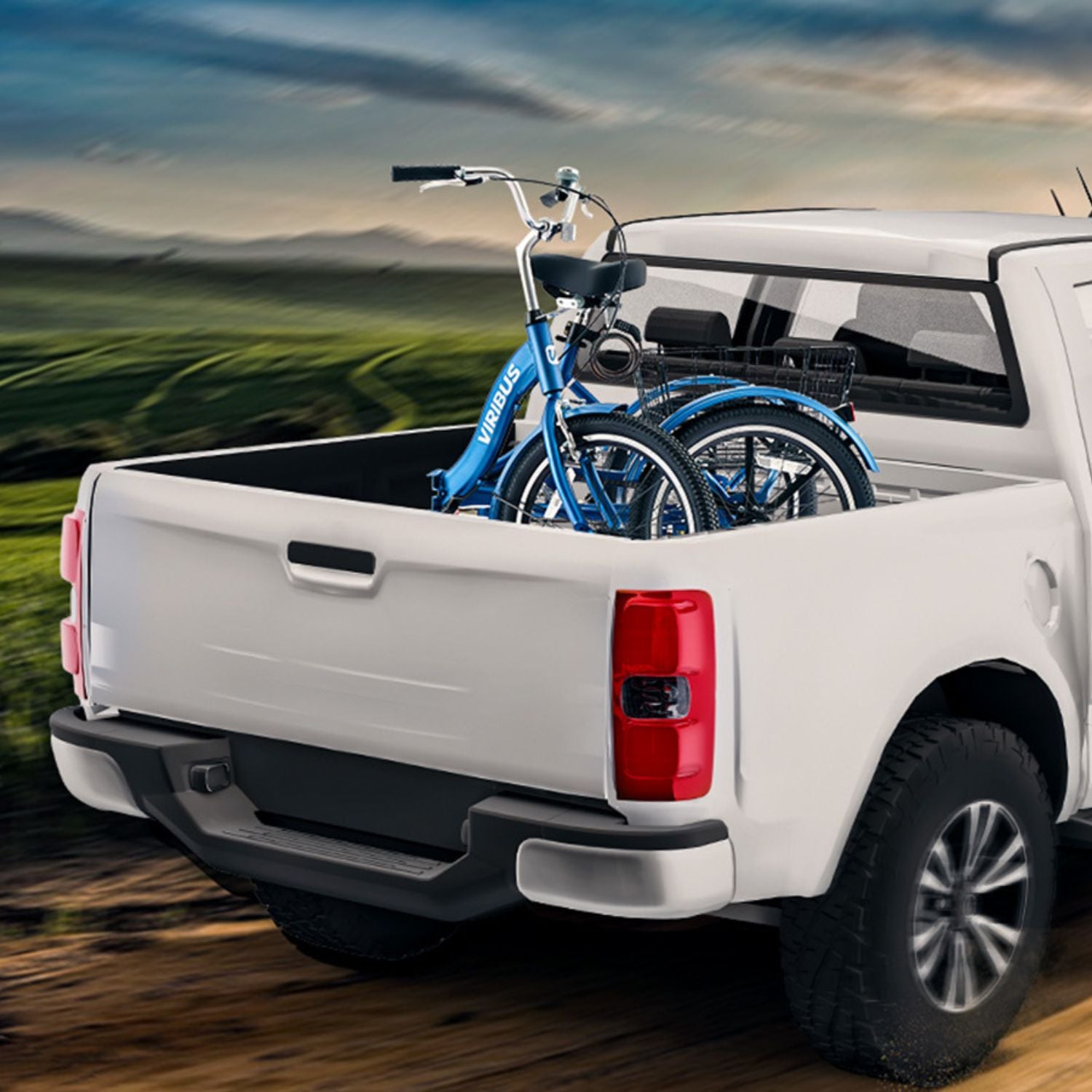
Hauling a bulky eBike gets tricky where a standard one wouldn’t - mud-caked tires and tired legs make it worse. That explains the trailhead full of beat-up station wagons, hatchbacks doing double duty. Bumping your frame on the bumper? A scratched door waits. Squeeze too hard, and grime finds its way onto seats. Space runs short, damage adds up.
A handy option when heading far or shielding your seats? A case made for bikes on the move - often means taking off wheels, pedals, maybe bars too. With those parts set aside, sliding it into a standard vehicle becomes doable. Dust stays out. The frame stays put. Space gets used without fuss.
When carrying bikes regularly, many go with platform racks that attach to the trunk or hitch. These models cradle each wheel, reducing wear, especially useful when hauling heavy electric bicycles. Using a trunk-style means fastening things down properly - bungees or tie-downs keep movement in check, avoiding scrapes on the frame or fork. A solid hitch setup paired with a single-bike carrier might cost more up front, but pays off by cutting loading effort, shielding your vehicle, and supporting bulk without strain.
Start by washing your bike before lifting it into the vehicle. Take out the battery so it stays safe during transport. Blankets or tarps go over the frame and wheels - this shields surfaces from scrapes. Rope, bungee cords, or built-in tie-down spots hold everything tight once loaded. Watch how disc brakes sit; shift them gently to avoid bending parts. Old rubber mats, spare fabric, or heavy plastic stop mud from sticking to seats or floors. These layers come off later, leaving less mess behind when you unload. Protection like that means fewer marks on both gear and car.
Some riders turn to custom car-mounted bike holders when they need a solid way to carry more than one cycle. Mounts shift easily to fit frames, forks, or tires - no taking parts off required. Getting bikes in and out moves quickly, while keeping paint jobs safe on both the machine and the car. Sensitive electric models benefit most from these snug fits. Choice leans heavily on what kind of bicycle you own, which vehicle you drive, plus how much gear you’re ready to buy instead of crafting covers yourself.
FAQ
Are electric bikes heavy to lift?
Heavier loads show up right away when you’re carrying one into a second-floor apartment. Most of these bikes tip the scale between 18 and 30 kilograms, though certain models built for hauling gear can go past 35. That added bulk? It sits in the power unit, drive system, wiring, plus a sturdier body design. Hauling it over curbs or loading on a carrier takes real effort - no surprise there. For reference, that’s about 40 to 66 pounds, sometimes even 77.
Heavy batteries add bulk - taking one out cuts down pounds fast. Lifting right matters, so do wheels that roll smoothly on slopes or low trucks. A few bikes weigh less than twenty kilos, such as the Viribus Panther e-mountain model. Normal e-bikes often tip scales much higher.
How much does an electric bike weigh without the battery?
A typical electric bike tips the scales at 14 to 28 kilograms when stripped of its battery, shifting with design and structure. Light models built for roads often sit between 14 and 18 kilos. City versions meant for daily travel generally fall within 16 to 22 kilograms. Rugged bikes made for trails or hauling goods may climb up to 28 kilos. Added mass comes from the power pack, commonly bringing an extra 2 to 5 kilograms into play.
How much does an electric mountain bike weigh?
At around 45 pounds - roughly 20.4 kilograms - the Viribus Panther Electric Mountain Bike tips the scale toward the lighter side among e-MTBs. Usually these bikes weigh anywhere from 45 up to 70 pounds, yet this one moves easier when lifting or shifting by hand. Because it's less heavy, handling feels more responsive especially on uneven paths where balance matters. For those wanting something simpler to transport or ride through tight turns, the reduced mass helps without extra effort. Lightness here adds convenience, particularly if trail riding demands quick adjustments and steady grip.
Can you still ride an electric bike if the battery dies?
Sure, riding an e-bike with a flat battery is possible - just expect it to feel like a standard bicycle. Power gone, the pedals keep turning fine, yet every push lacks help from the motor. Hills become tougher, distance feels longer, effort climbs. Because certain models weigh more than traditional bikes, legwork increases, particularly when climbing. A drained battery won’t strand you; it only takes away the assist. Movement continues, just muscle-powered now.
Are e-bikes too heavy to pedal?
Most e-bikes still move when you turn the pedals, even if the battery dies. Still, they weigh more than standard bikes, so spinning the cranks demands greater effort. Bicycles built light - say, road or city types tipping scales at 14 to 18 kilograms minus the battery - roll along fairly easily under leg power alone. On the flip side, bulkier versions such as trail riders or load carriers, often pushing past 25 kilos, grow exhausting fast, particularly on climbs. Pedalling remains possible across all styles, yet momentum shifts: heavier frames drain stamina quicker once the electric push fades. Well-matched gears ease the burden, letting legs do the work with less strain.
Can You Put an eBike on a Car Bike Rack?
Sure thing, hauling an eBike with a car-mounted rack works just fine - provided certain details are taken seriously. Weight matters above all; find out exactly how heavy your electric bike really is before attaching anything to your vehicle. That number decides if the setup stays safe during travel.
Typical carriers manage about 66 pounds, give or take, yet real-world limits shift based on both rack type and what kind of car you own. Built-for-purpose options exist now - these models accept heavier loads without strain. Carrying two? Don’t assume it fits; dig into the manual or product notes first. Each model behaves differently under pressure. Limits add up fast when stacking bikes one after another.













Leave a comment
All comments are moderated before being published.
This site is protected by hCaptcha and the hCaptcha Privacy Policy and Terms of Service apply.