


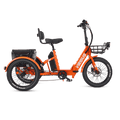


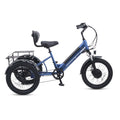

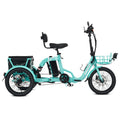

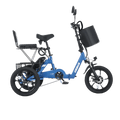









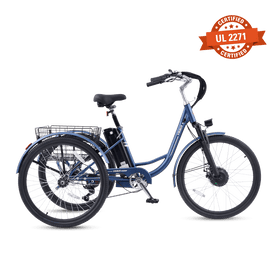
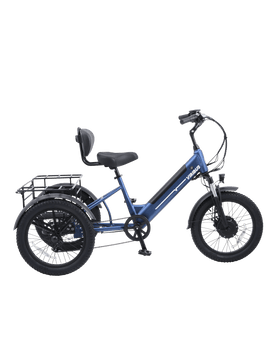
You’ve probably seen them hum down your local bike path: sleek, stable, three-wheeled machines that look like a cross between a traditional bicycle and a high-tech scooter. Electric trikes are exploding in popularity, offering a stable, accessible, and eco-friendly way for seniors, commuters, and adaptive riders to get around town.
But as you look closer at that throttle, a nagging question might pop up: Is this thing actually street legal? Do I need a driver's license to ride one, or am I going to get pulled over by a confused police officer?
E-trikes are legal in the United States. But as with anything involving local infrastructure, the real answer comes with a few fine-print caveats. We’re breaking down the federal rules, the standard "three-class" system, and the local quirks you need to know to ensure your next three-wheeled cruise is 100% legal.
Electric Tricycle Laws in the US
Electric tricycles (e-trikes) are legal in the United States. However, how they are treated under the law depends heavily on how much power they have and where you are riding them.
Electric tricycles are usually regulated similarly to electric bicycles. In most cases, they are legal if they meet certain speed and motor power limits.
At the federal level, low-speed electric bicycles and tricycles are defined as having:
- Fully operable pedals
- An electric motor of no more than 750 watts
- A top motor-powered speed of 20 mph on level ground
If an electric tricycle fits within these guidelines, it is generally considered a consumer bicycle product rather than a motor vehicle. This means it does not usually require registration or licensing under federal law.
However, federal definitions mainly concern manufacturing and product safety. Riding laws are controlled by individual states and local governments.
How States Classify Electric Tricycles
Many states follow the three-class e-bike system when regulating electric tricycles.
Class 1 Electric Tricycles
Class 1 e-trikes use pedal assistance only and stop providing motor power once the rider reaches 20 mph.
These are often allowed on bike lanes, shared-use paths, and public roads where bicycles are permitted. They are considered among the most widely accepted types of electric tricycles.
Class 2 Electric Tricycles
Class 2 electric tricycles include a throttle that can propel the vehicle without pedaling, with a maximum assisted speed of 20 mph.
Because of their convenience, Class 2 e-trikes are popular among older adults and riders with mobility concerns. Most states permit them in many of the same places as regular bicycles, although some bike paths may have restrictions.
Class 3 Electric Tricycles
Class 3 e-trikes are pedal-assist models capable of reaching speeds up to 28 mph.
While legal in many states, Class 3 electric tricycles often face additional rules. Riders may need to wear helmets, meet minimum age requirements, or avoid certain bike paths and trails.
Do Electric Tricycles Need Registration or Insurance?
One of the biggest advantages of riding an electric tricycle is that most models do not require registration or insurance.
If an e-trike meets state e-bike classifications, riders usually do not need:
- Vehicle registration
- License plates
- Driver’s licenses
- Motorcycle insurance
This makes electric tricycles more affordable and easier to own than mopeds or motorcycles.
However, if the tricycle exceeds legal speed or power limits, it may be classified as a moped or motor vehicle. In these cases, registration, licensing, and insurance requirements may apply.
Where Can You Ride an Electric Tricycle?
The legality of electric tricycles also depends on where they are ridden.
Public Roads
Most states allow legal electric tricycles on public streets and roads where bicycles are permitted. Riders should obey traffic laws, signals, and lane requirements just like cyclists.
Bike Lanes and Bicycle Paths
Class 1 and Class 2 electric tricycles are commonly allowed in bike lanes and on many bicycle routes.
However, some cities or park systems restrict throttle-powered or faster e-trikes. Riders should always check local regulations before entering protected cycling paths.
Sidewalks
Sidewalk laws vary significantly across the country.
Some cities prohibit all motorised vehicles on sidewalks, while others allow low-speed electric tricycles under specific conditions. Because rules differ from place to place, local ordinances are important to review.
Parks and Recreational Trails
National, state, and local parks may have separate regulations for electric vehicles.
Many parks permit Class 1 electric tricycles on designated trails, while throttle-powered or high-speed models may face limitations.
Helmet and Age Requirements
Electric tricycle riders may also need to follow age and helmet laws.
Helmet Rules
Helmet requirements vary by state and e-trike class.
In many locations:
- Riders under 18 must wear helmets
- Class 3 riders are often required to wear helmets regardless of age
- Adults riding lower-speed e-trikes may have optional helmet use
Even when helmets are not legally required, wearing one is strongly recommended for safety.
Minimum Age Requirements
Some states establish minimum ages for operating certain electric tricycles.
For example, Class 3 models may require riders to be at least 16 years old. Lower-speed models often have fewer restrictions.
What Makes an Electric Tricycle Illegal?
Although electric tricycles for adults are generally legal, certain modifications or specifications may make them illegal without proper registration.
An e-trike could face legal restrictions if it:
- Exceeds 750W motor power
- Travels faster than legal speed limits
- Lacks operable pedals
- Is modified to function like a motorcycle or moped
High-powered or heavily modified electric tricycles may require compliance with motor vehicle regulations.
Why Electric Tricycles Are Growing in Popularity
Electric tricycles offer several advantages that contribute to their growing popularity.
Their three-wheel design provides excellent balance and confidence, especially for seniors or riders who struggle with two-wheel bicycles. They also offer useful cargo capacity, making them practical for shopping, commuting, or recreational outings.
Because most electric tricycles can be ridden without registration or fuel expenses, they provide a convenient and environmentally friendly transportation option.
Final Thoughts
So, are electric tricycles legal in the US? In most cases, yes. Low-speed electric tricycles that meet federal and state e-bike requirements are legal across much of the United States and can often be ridden without registration or insurance. However, laws differ by state and city, especially regarding speed, motor power, helmet use, and where e-trikes may be ridden.
Before buying or riding an electric tricycle, it is always wise to review your local regulations. Understanding the rules ensures a safer and more enjoyable riding experience while helping you stay fully compliant with the law.



![Massachusetts Electric Bike Laws Explained [The Ultimate Guide]](http://viribusbikes.com/cdn/shop/articles/pedal_ebike_33_1_31bb6219-6f24-46b3-9b1f-e2880fa67e8f.jpg?v=1779938040&width=200)


Leave a comment
All comments are moderated before being published.
This site is protected by hCaptcha and the hCaptcha Privacy Policy and Terms of Service apply.